Zobacz w skali 1:1 Zobacz w AR Przełącz na wersję drukowaną Kup ręcznie malowany obraz Wyślij
Szczegóły Przewodnik Dodaj do ulubionych Pobierz plik obrazu Podobne obiekty RTG Pokaz slajdów Statystyki

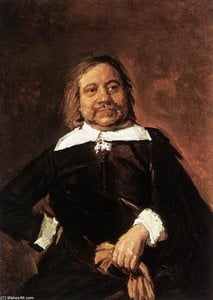
Petrus Scriverius

Admire 'Petrus Scriverius' by Frans Hals – a captivating 1626 portrait showcasing the scholar’s dignified presence. Explore Haarlem’s Golden Age art with this remarkable piece.

"meta_description": "Frans Hals – mistrz portretów i scen rodzajowych z Złotej Ery Holandii! Znany z plastycznego stylu, uchwycenia charakteru i życia w obrazach. Odkryj jego ikoniczne dzieła, takie jak 'Śmiejący się Rycerz'."

Kup wysokiej rozdzielczości, ulepszony obraz cyfrowy o jakości znacznie przewyższającej podgląd online.

Każdy plik jest starannie przygotowywany przez naszych specjalistów przy użyciu zaawansowanych narzędzi oraz profesjonalnej, ręcznej retuszy. Dbamy o to, aby każdy obraz cechował się wyjątkową ostrością, precyzyjnym odwzorowaniem kolorów i subtelnymi detalami.

Ostateczny plik dostarczany jest drogą mailową w ciągu 72 godzin, zoptymalizowany do natychmiastowego wykorzystania w profesjonalnych zastosowaniach redakcyjnych i poligraficznych. To ta sama jakość, której ufają czołowe studia projektowe, wydawnictwa oraz galerie sztuki.

Obraz cyfrowy

Pobierz plik o wysokiej rozdzielczości do osobistego użytku, druku oraz projektów kreatywnych. ( Przełącz na wersję drukowaną Kup ręcznie malowany obraz)

Cena całkowita

$ 24,90

W każdym zamówieniu na obraz cyfrowy znajduje się

Profesjonalna dostawa cyfrowa z gwarancją

Wybierając WahooArt.com, nie otrzymujesz jedynie obrazu – otrzymujesz profesjonalnie udoskonalone cyfrowe dzieło sztuki, stworzone z najwyższą precyzją i objęte gwarancją satysfakcji. Oto wszystko, co automatycznie dołączane jest do Twojego zamówienia:

shipping_icon
Błyskawiczna dostawa e-mailowa

Plik z obrazem cyfrowym w wysokiej rozdzielczości zostanie przesłany na Twój adres e-mail w ciągu 72 godzin od złożenia zamówienia – gotowy do natychmiastowego użycia.

canvas_icon
Plik cyfrowy ulepszony przez AI

Twoja grafika została profesjonalnie zoptymalizowana przy użyciu zaawansowanych narzędzi AI oraz ręcznej edycji, co zapewnia maksymalną szczegółowość, klarowność i wierność kolorów.

insurance_icon
Bezpłatna dożywotnia ponowna dostawa

Przypadkowo usunąłeś lub zgubiłeś swój plik? Bez obaw – prześlemy go Tobie ponownie w dowolnym momencie, bez żadnych opłat.

tax_icon
Bez opłat importowych – zawsze

Ciesz się swoją sztuką natychmiast, bez żadnych opłat celnych, należności ani kosztów dostawy – pliki cyfrowe są zawsze wolne od podatku.

color_icon
Gwarancja odwzorowania kolorów

Dzięki zastosowaniu profesjonalnych narzędzi i procesów zarządzania barwą zapewniamy, że Twoje cyfrowe zdjęcie odzwierciedla oryginalne kolory tak wiernie, jak to tylko możliwe.

return_icon
100 dni na satysfakcję

Jeśli nie będziesz zadowolony ze swojego cyfrowego obrazu, poprawimy go lub zwrócimy 100% kosztów w ciągu 100 dni – bez zbędnych pytań.

guarantee_icon
100% Gwarancja zwrotu pieniędzy

Nie jesteś zadowolony? Otrzymaj pełny zwrot kosztów w ciągu 100 dni od otrzymania pliku cyfrowego – bez zbędnych pytań.

discount_icon
Rabaty przy zamówieniach hurtowych

Kup 3 obrazy, oszczędź 10% - Kup 5, oszczędź 15% - Kup 10+, oszczędź 20%. Idealne do projektów kreatywnych, galerii i agencji.

Kluczowe informacje

  • Location: Metropolitan Museum
  • Year: 1626
  • Title: Petrus Scriverius
  • Medium: Oil on panel
  • Notable elements: Illusionistic framing
  • Artistic style: Baroque Portraiture
  • Subject: Portrait of a man

Quiz wiedzy o sztuce

Do każdego pytania dotyczy tylko jedna poprawna odpowiedź.

Pytanie 1:
What is the primary subject depicted in Petrus Scriverius?
Pytanie 2:
According to the description, what is notable about the framing of the portrait?
Pytanie 3:
What historical context is mentioned regarding the portrait and its creation?
Pytanie 4:
Who painted the portrait 'Petrus Scriverius'?
Pytanie 5:
What does the inscription on the tablet below the portrait suggest about Petrus Scriverius?

A Portrait of Quiet Dignity: Petrus Scriverius by Frans Hals

Frans Hals’s “Petrus Scriverius,” painted in 1626, isn't merely a likeness; it’s a carefully constructed tableau of intellect, status, and the subtle pleasures of scholarly life. This intimate portrait, rendered in Hals’s signature loose brushwork and vibrant palette, offers a rare glimpse into the world of a Dutch humanist – a man who valued learning, refinement, and the quiet dignity of intellectual pursuits. The painting immediately draws the viewer in with its direct gaze; Scriverius meets the eye with an air of thoughtful composure, his expression hinting at both wisdom and a touch of wry amusement.

Hals’s masterful technique is evident in every detail. Note the remarkable rendering of texture – the heavy velvet of his coat, the intricate weave of his wig, the subtle sheen on his hands resting upon a book. The artist employs a technique known as “stiacciato,” building up layers of paint to create a sense of depth and volume, particularly noticeable in the folds of the fabric. The background is deliberately blurred, directing all attention onto Scriverius himself – a deliberate choice that emphasizes his importance within the composition. Hals’s use of light and shadow further enhances the portrait's realism, creating a three-dimensional effect that invites close inspection.

A Scholar’s World: Context and Symbolism

Painted during the Dutch Golden Age, “Petrus Scriverius” reflects the burgeoning intellectual climate of the time. The Netherlands was experiencing a remarkable cultural renaissance, fueled by trade, exploration, and a renewed interest in classical learning. Humanist ideals – emphasizing reason, ethics, and the study of the humanities – were gaining traction, and figures like Scriverius played a vital role in preserving and disseminating knowledge. The inclusion of the book is paramount; it’s not just an object but a symbol of Scriverius's identity—a scholar immersed in the world of letters.

Beyond the obvious symbolism of learning, subtle details reveal deeper layers of meaning. The gloves he holds are a clear indicator of his social standing and gentlemanly bearing – a marker of respectability within the Dutch society of the era. The carefully arranged setting—a simple, yet elegant interior—suggests a private study, a space dedicated to contemplation and intellectual work. Even the muted colors contribute to the overall mood: they evoke a sense of quiet sophistication and understated elegance.

Marriage Pendant & The Artist’s Signature

This portrait is part of a pair – a marriage pendant – alongside its counterpart depicting Scriverius's wife, Anna van der Aar. Hals frequently created these paired portraits, often presenting them as gifts to commemorate significant milestones in the couple’s lives, particularly their 25th wedding anniversary. This pairing underscores the importance of family and domestic life within the broader context of intellectual pursuits. The composition itself—the figures closely positioned together—suggests a deep connection between husband and wife, further enriching the portrait's narrative.

Interestingly, the painting is monogrammed with “PH,” indicating Frans Hals’s signature. This subtle detail serves as a testament to the artist’s pride in his work and reinforces the importance of this particular commission. The fact that these portraits were retained as family keepsakes speaks volumes about their enduring value and the affection they inspired.

A Timeless Portrait: Emotional Impact & Reproduction

“Petrus Scriverius” transcends a simple likeness; it’s a powerful evocation of intellect, dignity, and quiet contemplation. Hals masterfully captures not just Scriverius's physical appearance but also his inner character—his intelligence, his composure, and perhaps even a hint of melancholy. The painting invites the viewer to step into Scriverius’s world, to share in his intellectual pursuits, and to appreciate the beauty of a life dedicated to learning.

WahooArt offers meticulously crafted reproductions of this iconic masterpiece, allowing you to bring its timeless elegance into your home or office. Our high-quality prints capture the nuances of Hals’s brushwork and color palette with exceptional fidelity, ensuring that you experience the full emotional impact of this remarkable portrait. Whether you are an art enthusiast, a collector, or simply seeking a piece of history to adorn your space, a reproduction of “Petrus Scriverius” is sure to be a treasured addition to your collection.


Biografia artysty

Frans Hals I: A Life in Paint

Frans Hals I was a Dutch painter born in Antwerp, Belgium, around 1580. Though his early life remains somewhat shrouded in mystery, he rose to become one of the most important figures of the Dutch Golden Age, celebrated for his innovative portraiture and genre scenes.

Early Life and Training

Details surrounding Hals’s formative years are scarce. It is believed he received initial artistic training in Antwerp, a prominent center for painting at the time. However, due to religious and political turmoil, his family relocated to Haarlem in the Netherlands. He became a member of the Haarlem Guild of St. Luke in 1610, marking the formal beginning of his professional career.

Artistic Style and Development

Hals distinguished himself through a remarkably fresh and spontaneous style. Unlike many of his contemporaries who favored meticulous detail, Hals employed a loose and expressive brushstroke. This technique imbued his paintings with a sense of immediacy and vitality, capturing the personality and character of his subjects in a way that was revolutionary for its time. He wasn’t merely attempting to reproduce appearances; he sought to convey emotion and psychological insight. His portraits weren't simply likenesses; they were psychological studies. He excelled at depicting fleeting moments – laughter, conversation, or contemplation. Hals's use of light and shadow added depth and drama to his compositions. This approach departed significantly from the prevailing artistic conventions of the period, establishing him as a pioneer of realism and emotional intensity.

Notable Works

While Hals produced a wide range of works, he is best known for his portraits. Some of his most celebrated paintings include:
  • The Laughing Cavalier (1624) – A quintessential example of his ability to capture character and movement. The painting’s dynamic pose and radiant smile exemplify Hals's masterful technique in portraying human emotion with remarkable accuracy.
  • Malle Babbe (c. 1633-1635) – A striking portrayal of an elderly woman, showcasing Hals’s skill in depicting age and personality. The painting captures the sitter’s wrinkled face and gaze with astonishing realism, conveying a profound sense of wisdom and experience.
  • Portraits of the Regents of the Old Men's Home in Haarlem (1664) - Demonstrating his mastery of group portraiture. Hals skillfully captured the individual expressions and postures of each regent, creating a cohesive image that reflects the dignity and serenity of the institution.
He also created compelling genre scenes – depictions of everyday life – that offered glimpses into Dutch society. These works reveal Hals’s keen observation of human behavior and his ability to transform ordinary subjects into captivating narratives.

Influences and Legacy

Determining Hals’s direct influences is challenging, as he developed a highly individual style. However, it's likely he was aware of the work of earlier Flemish painters like Pieter Bruegel the Elder. His innovative approach to portraiture profoundly impacted subsequent generations of artists. He influenced artists such as Adriaen Brouwer and Johannes Vermeer. His emphasis on capturing personality paved the way for more intimate and psychological portraits. Later artists, including the Impressionists, admired his loose brushwork and focus on light. Hals’s legacy extends beyond his artistic achievements; he embodies the spirit of the Dutch Golden Age—a period characterized by intellectual curiosity, artistic experimentation, and a celebration of human individuality. Today, his paintings are highly sought after and can be found in major museums worldwide, including the Frans Hals Museum in Haarlem, which houses the largest collection of his work. His contributions continue to inspire artists and captivate audiences centuries later.
Frans Hals I

Frans Hals I

1580 - 1585 , Belgia

Najważniejsze informacje

  • Artistic Movement Or Style: Dutch Golden Age
  • Artists Or Movements Influenced By This Artist:
    • Adriaen Brouwer
    • Johannes Vermeer
  • Artists Who Influenced This Artist: ['Pieter Bruegel the Elder']
  • Date Of Birth: c. 1582
  • Date Of Death: 1666
  • Full Name: Frans Hals I
  • Nationality: Dutch
  • Notable Artworks:
    • Śmiejący się Rycerz
    • Portret młodego mężczyzny
    • Portret kobiety wiekowej
  • Place Of Birth: Antwerp, Belgium