Podgląd w skaliPodgląd w skali Podgląd ARPodgląd AR Switch to Print Switch to PrintSwitch to Digital Image Switch to Digital Image Wyślij jako kartkęWyślij jako kartkę
Szczegóły dziełaSzczegóły dzieła Dodaj do ulubionych Dodaj do ulubionych PobierzPobierz Podobne obiektyPodobne obiekty RTGRTG Pokaz slajdówPokaz slajdów StatsStats

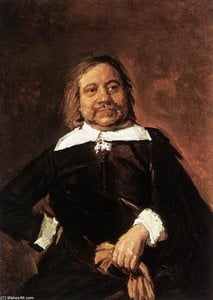
Anetta Hanemans

Admire 'Anetta Hanemans' by Frans Hals I – a stunning Dutch Golden Age portrait showcasing masterful chiaroscuro & intricate detail. Explore 1625 beauty!

"meta_description": "Frans Hals – mistrz portretów i scen rodzajowych z Złotej Ery Holandii! Znany z plastycznego stylu, uchwycenia charakteru i życia w obrazach. Odkryj jego ikoniczne dzieła, takie jak 'Śmiejący się Rycerz'."

Ręcznie malowana reprodukcja olejowa

Ręcznie malowany obraz olejny na płótnie, wykonany na zamówienie przez naszych artystów w wybranym przez Ciebie wymiarze i oprawie. (Switch to Print Switch to PrintSwitch to Digital Image Switch to Digital Image)

P118B $10
P118H $10
P118W $10
P438Z $10
P508JH $12
P508YH $12
P805H $10
P805Z $10
P919BZ $10
P919G $10
P919XJ $10
P959ZH $10
P968JZ $12
W106C $8
W218G $10
W218JH $8
W218Y $10
W307PJ $10
W316G $10
W316PJ $8
W316Y $10
W398PJ $8
W4111J $10
W500HY $15
W500JH $15
W692G $12
W849H $8
W940BG $15
W953PJ $8

Standardowy rozmiar
na wymiar
CM
INCH

Wybierz spośród naszych standardowych rozmiarów, które zachowują oryginalne proporcje dzieła sztuki.

szerokość
wysokość

Możesz wprowadzić własne wymiary, aby dopasować obraz do konkretnej ramy lub przestrzeni. Jeśli wybrany rozmiar nie będzie odpowiadał proporcjom oryginału, przytniecie dzieło sztuki lub rozszerzymy je o dodatkowe elementy, ręcznie domalowane przez artystę. Przed rozpoczęciem produkcji wyślemy projekt cyfrowy do Twojej akceptacji.
Należy pamiętać, że podgląd na ekranie nie odzwierciedla rzeczywistego przycinania ani rozszerzania obrazu. Tylko projekt dokładnie pokaże ostateczną kompozycję.
Choć oferujemy możliwość zamówienia niestandardowych rozmiarów, zalecamy wybór wymiaru z gotowej listy, aby zachować oryginalne proporcje dzieła.

Przykłady możliwych zmian: Zamień twarz na zdjęcie klienta; Dodaj zwierzę domowe (np. zamień kota na psa); Ukryj wiadomość w tle; Zmień krajobraz lub elementy tła.
Po złożeniu zamówienia zespół WahooArt.com skontaktuje się z klientem drogą mailową w celu uzyskania instrukcji i prześle wizualizację projektu

Dostawa na całym świecie () w ciągu 3–4 tygodni zamiast standardowych 5 tygodni. (8 Wrzesień). Bez kompromisów w kwestii jakości.

why_choose_icon
Bezpłatna ekspresowa wysyłka na cały świat
why_choose_icon
Wysokiej jakości płótno lniane
why_choose_icon
Pełne ubezpieczenie przesyłki
why_choose_icon
Gwarancja zwrotu należności celnych i podatków importowych
why_choose_icon
Gwarancja wiernego odwzorowania kolorów
why_choose_icon
100-dniowa polityka zwrotów (tylko w przypadku wad)
why_choose_icon
Gwarancja 100% zwrotu kosztów
why_choose_icon
Zniżka przy zamówieniu wielu produktów

Suma całkowita

$ 272

reproduction

Anetta Hanemans

Technika reprodukcji

Wymiary reprodukcji

-

Cena całkowita

$ 272

Anetta Hanemans: A Window Into Dutch Golden Age Dignity

The portrait of Anetta Hanemans by Frans Hals I stands as a testament to the artistic brilliance of the Dutch Golden Age, capturing not merely likeness but an essence of character and social standing. Executed in 1625, this oil painting exemplifies Hals’s signature style—a revolutionary departure from meticulous detail favored by many contemporaries—characterized instead by loose brushstrokes that imbue the canvas with palpable immediacy and emotion.

Style & Technique: Embracing Spontaneity

Hals's approach defied convention, prioritizing observation and capturing fleeting expressions over laborious rendering. Unlike artists obsessed with achieving photographic accuracy, Hals employed a technique known as “impasto,” applying thick layers of paint to create textured surfaces that shimmer with light and shadow. This method wasn’t merely stylistic; it was integral to conveying the sitter's personality—the subtle nuances of emotion etched onto Anetta Hanemans’ face are rendered with breathtaking realism thanks to Hals’s masterful manipulation of pigment and brushwork. The artist skillfully utilized chiaroscuro, dramatically contrasting areas of light and dark, to sculpt the figure and heighten its visual impact.

Historical Context: Portraiture as Status Symbol

The portrait emerged during a period of unprecedented artistic flourishing in Holland—the Dutch Golden Age (approximately 1600-1700)—fueled by economic prosperity and intellectual curiosity. Portraits served as crucial instruments for demonstrating wealth, lineage, and social prestige. The Hanemans family’s opulent attire – a black bodice adorned with intricate gold embroidery, a white ruff collar, and a scarlet skirt—underscores this symbolic significance. Hals's depiction aligns perfectly with the prevailing artistic sensibilities of the era, reflecting an idealization of virtue and nobility.

Symbolism: Beyond Appearance

Beyond its formal composition and luxurious embellishments, Anetta Hanemans’ portrait carries deeper layers of symbolism. Notably, the rooster hanging prominently on the wall—a motif frequently found in Dutch portraits of this period—represents family heritage and lineage. It speaks to a broader cultural preoccupation with honor and tradition, reinforcing the sitter's position within the social hierarchy. The artist’s careful attention to detail extends beyond mere representation; he strives to convey an inner life, capturing Anetta Hanemans’ serene gaze and dignified posture as emblems of grace and composure.

Emotional Impact: Timeless Elegance

Ultimately, Frans Hals I’s Anetta Hanemans transcends the boundaries of time, resonating with viewers centuries later. The painting's luminous palette, combined with Hals’s expressive brushwork, evokes a sense of quiet contemplation and conveys an enduring appreciation for beauty and refinement. It remains a captivating example of Baroque portraiture—a genre that prioritized psychological insight alongside visual splendor—solidifying Hals’s legacy as one of the most influential painters of his era. This artwork embodies the spirit of Dutch Golden Age artistry: dignified elegance, timeless grace, and an unwavering commitment to capturing the human spirit at its finest.

O artyście

Frans Hals I: A Life in Paint

Frans Hals I was a Dutch painter born in Antwerp, Belgium, around 1580. Though his early life remains somewhat shrouded in mystery, he rose to become one of the most important figures of the Dutch Golden Age, celebrated for his innovative portraiture and genre scenes.

Early Life and Training

Details surrounding Hals’s formative years are scarce. It is believed he received initial artistic training in Antwerp, a prominent center for painting at the time. However, due to religious and political turmoil, his family relocated to Haarlem in the Netherlands. He became a member of the Haarlem Guild of St. Luke in 1610, marking the formal beginning of his professional career.

Artistic Style and Development

Hals distinguished himself through a remarkably fresh and spontaneous style. Unlike many of his contemporaries who favored meticulous detail, Hals employed a loose and expressive brushstroke. This technique imbued his paintings with a sense of immediacy and vitality, capturing the personality and character of his subjects in a way that was revolutionary for its time. He wasn’t merely attempting to reproduce appearances; he sought to convey emotion and psychological insight. His portraits weren't simply likenesses; they were psychological studies. He excelled at depicting fleeting moments – laughter, conversation, or contemplation. Hals's use of light and shadow added depth and drama to his compositions. This approach departed significantly from the prevailing artistic conventions of the period, establishing him as a pioneer of realism and emotional intensity.

Notable Works

While Hals produced a wide range of works, he is best known for his portraits. Some of his most celebrated paintings include:
  • The Laughing Cavalier (1624) – A quintessential example of his ability to capture character and movement. The painting’s dynamic pose and radiant smile exemplify Hals's masterful technique in portraying human emotion with remarkable accuracy.
  • Malle Babbe (c. 1633-1635) – A striking portrayal of an elderly woman, showcasing Hals’s skill in depicting age and personality. The painting captures the sitter’s wrinkled face and gaze with astonishing realism, conveying a profound sense of wisdom and experience.
  • Portraits of the Regents of the Old Men's Home in Haarlem (1664) - Demonstrating his mastery of group portraiture. Hals skillfully captured the individual expressions and postures of each regent, creating a cohesive image that reflects the dignity and serenity of the institution.
He also created compelling genre scenes – depictions of everyday life – that offered glimpses into Dutch society. These works reveal Hals’s keen observation of human behavior and his ability to transform ordinary subjects into captivating narratives.

Influences and Legacy

Determining Hals’s direct influences is challenging, as he developed a highly individual style. However, it's likely he was aware of the work of earlier Flemish painters like Pieter Bruegel the Elder. His innovative approach to portraiture profoundly impacted subsequent generations of artists. He influenced artists such as Adriaen Brouwer and Johannes Vermeer. His emphasis on capturing personality paved the way for more intimate and psychological portraits. Later artists, including the Impressionists, admired his loose brushwork and focus on light. Hals’s legacy extends beyond his artistic achievements; he embodies the spirit of the Dutch Golden Age—a period characterized by intellectual curiosity, artistic experimentation, and a celebration of human individuality. Today, his paintings are highly sought after and can be found in major museums worldwide, including the Frans Hals Museum in Haarlem, which houses the largest collection of his work. His contributions continue to inspire artists and captivate audiences centuries later.

Frans Hals I

Frans Hals I

1580 - 1585 , Belgia

Krótka nota

  • Artistic Movement Or Style: Dutch Golden Age
  • Artists Or Movements Influenced By This Artist:
    • Adriaen Brouwer
    • Johannes Vermeer
  • Artists Who Influenced This Artist: ['Pieter Bruegel the Elder']
  • Date Of Birth: c. 1582
  • Date Of Death: 1666
  • Full Name: Frans Hals I
  • Nationality: Dutch
  • Notable Artworks:
    • Śmiejący się Rycerz
    • Portret młodego mężczyzny
    • Portret kobiety wiekowej
  • Place Of Birth: Antwerp, Belgium
Odkryj dzieła sztuki uporządkowane według tematów, stylów i cech charakterystycznych.