Zobacz w skali 1:1 Zobacz w AR Przełącz na wersję drukowaną Kup ręcznie malowany obraz Wyślij
Szczegóły Przewodnik Dodaj do ulubionych Pobierz plik obrazu Podobne obiekty RTG Pokaz slajdów Statystyki

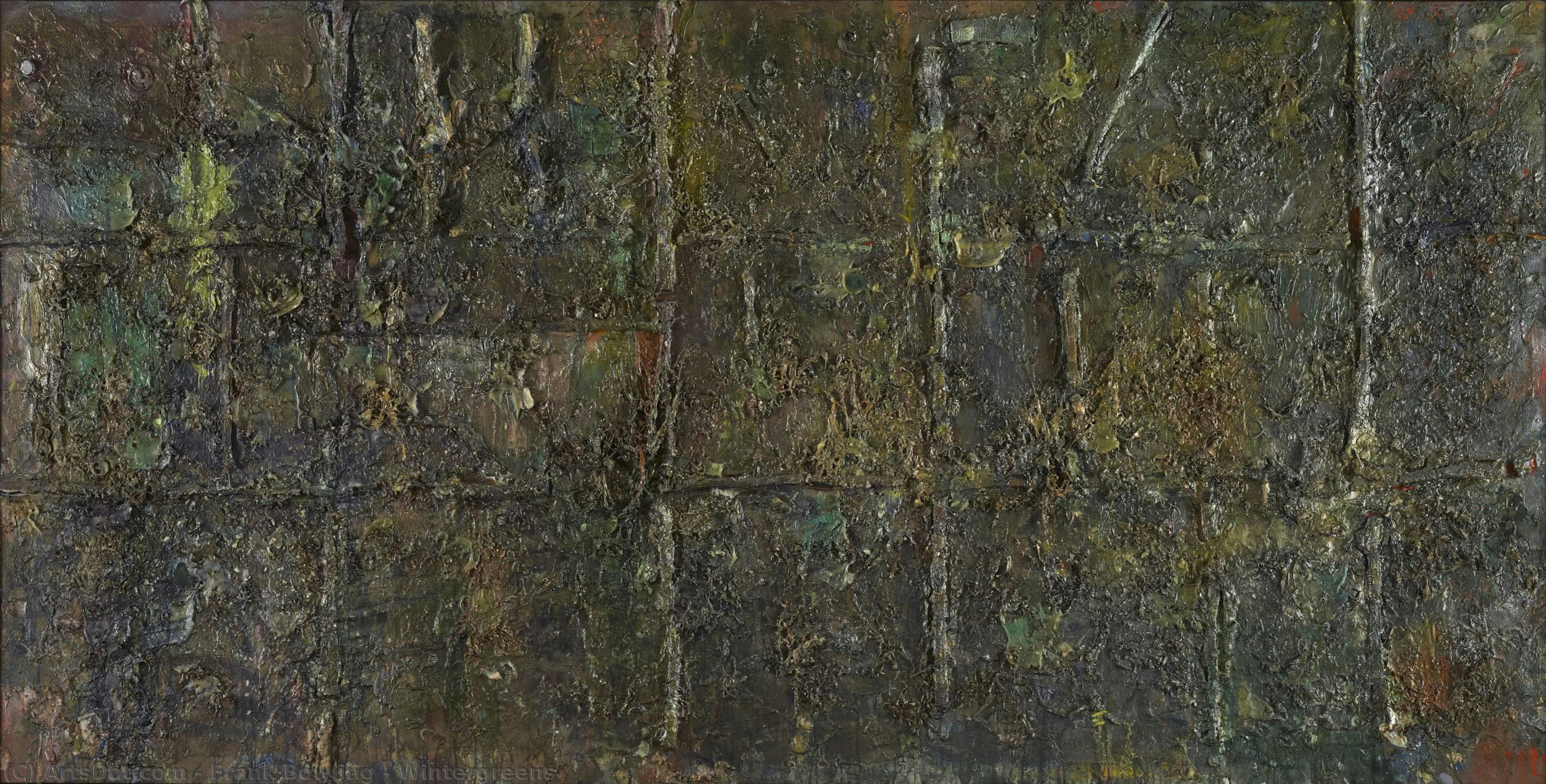
Wintergreens

Explore the abstract 'Map' paintings of Frank Bowling, a British-Guyanese artist renowned for color field & lyrical abstraction. A post-war pioneer & Royal Academy member.

Kup wysokiej rozdzielczości, ulepszony obraz cyfrowy o jakości znacznie przewyższającej podgląd online.

Każdy plik jest starannie przygotowywany przez naszych specjalistów przy użyciu zaawansowanych narzędzi oraz profesjonalnej, ręcznej retuszy. Dbamy o to, aby każdy obraz cechował się wyjątkową ostrością, precyzyjnym odwzorowaniem kolorów i subtelnymi detalami.

Ostateczny plik dostarczany jest drogą mailową w ciągu 72 godzin, zoptymalizowany do natychmiastowego wykorzystania w profesjonalnych zastosowaniach redakcyjnych i poligraficznych. To ta sama jakość, której ufają czołowe studia projektowe, wydawnictwa oraz galerie sztuki.

Obraz cyfrowy

Pobierz plik o wysokiej rozdzielczości do osobistego użytku, druku oraz projektów kreatywnych. ( Przełącz na wersję drukowaną Kup ręcznie malowany obraz)

Cena całkowita

$ 24,90

W każdym zamówieniu na obraz cyfrowy znajduje się

Profesjonalna dostawa cyfrowa z gwarancją

Wybierając WahooArt.com, nie otrzymujesz jedynie obrazu – otrzymujesz profesjonalnie udoskonalone cyfrowe dzieło sztuki, stworzone z najwyższą precyzją i objęte gwarancją satysfakcji. Oto wszystko, co automatycznie dołączane jest do Twojego zamówienia:

shipping_icon
Błyskawiczna dostawa e-mailowa

Plik z obrazem cyfrowym w wysokiej rozdzielczości zostanie przesłany na Twój adres e-mail w ciągu 72 godzin od złożenia zamówienia – gotowy do natychmiastowego użycia.

canvas_icon
Plik cyfrowy ulepszony przez AI

Twoja grafika została profesjonalnie zoptymalizowana przy użyciu zaawansowanych narzędzi AI oraz ręcznej edycji, co zapewnia maksymalną szczegółowość, klarowność i wierność kolorów.

insurance_icon
Bezpłatna dożywotnia ponowna dostawa

Przypadkowo usunąłeś lub zgubiłeś swój plik? Bez obaw – prześlemy go Tobie ponownie w dowolnym momencie, bez żadnych opłat.

tax_icon
Bez opłat importowych – zawsze

Ciesz się swoją sztuką natychmiast, bez żadnych opłat celnych, należności ani kosztów dostawy – pliki cyfrowe są zawsze wolne od podatku.

color_icon
Gwarancja odwzorowania kolorów

Dzięki zastosowaniu profesjonalnych narzędzi i procesów zarządzania barwą zapewniamy, że Twoje cyfrowe zdjęcie odzwierciedla oryginalne kolory tak wiernie, jak to tylko możliwe.

return_icon
100 dni na satysfakcję

Jeśli nie będziesz zadowolony ze swojego cyfrowego obrazu, poprawimy go lub zwrócimy 100% kosztów w ciągu 100 dni – bez zbędnych pytań.

guarantee_icon
100% Gwarancja zwrotu pieniędzy

Nie jesteś zadowolony? Otrzymaj pełny zwrot kosztów w ciągu 100 dni od otrzymania pliku cyfrowego – bez zbędnych pytań.

discount_icon
Rabaty przy zamówieniach hurtowych

Kup 3 obrazy, oszczędź 10% - Kup 5, oszczędź 15% - Kup 10+, oszczędź 20%. Idealne do projektów kreatywnych, galerii i agencji.

One of the modern masterpieces in the RA Collection, Wintergreens was made in 1986, the year Frank Bowling moved to a studio with a view of the Thames in Limehouse, London. He’s referred to the city as “Turner’s town” and the scale of this painting has attracted comparisons with the ambitious landscapes of past artists such as Turner and Constable.The title refers to plants that keep their leaves throughout winter, also known as evergreens. With its colours and textures of winter vegetation, Tate curator Zoe Whitley has likened this work to “a network of bamboo, reeds, and cattails in a stagnant pond”.To make this work, Bowling added layer upon layer of material. Strips of acrylic foam (a material used in commercial packing) were attached to the canvas, creating a gridlike structure onto which he applied thick layers of paint and translucent acrylic gel. This weighed down the foam, pulling it into new shapes. Bowling then created a new substance by mixing gel and pigment, which he applied in thick layers with a spatula. The quick-drying properties of acrylic paint (as opposed to oil) allowed him to quickly pile on layers of paint. In among the paint, Bowling nested an assortment of unusual objects, including the cap of a film canister and even a plastic toy owl.In this painting and others, Bowling is exploring the complexity of the world rather than reducing it to legible images. The crusted, swamplike texture of the painting seems to challenge the possibility of seeing clearly altogether. The curator of Bowling’s Mappa Mundi exhibition Okwui Enwezor has written that Wintergreens provides a “deeply sceptical vision” of the sublime, far removed from the vastness and grandeur of artists such as Turner.

Biografia artysty

The Architect of Abstraction: The Life and Legacy of Frank Bowling

In the vast, textured landscapes of contemporary abstraction, few names resonate with as much profound authority as Frank Bowling. Born in 1934 in the riverside town of Bartica, British Guiana, Bowling’s journey is one of remarkable movement—not just across continents, but through the very layers of paint and medium itself. His arrival in Britain as a young man marked the beginning of a career that would fundamentally reshape the trajectory of post-war British art. As a pioneer of color field painting and lyrical abstraction, Bowling did not merely paint surfaces; he constructed worlds that evoke the geological, the cartographic, and the deeply psychological.

Bowling’s formative years in the United Kingdom saw him immersed in the rigorous creative environments of the Regent Street Polytechnic and the Chelsea School of Art. By 1959, his talent earned him a prestigious scholarship to the Royal College of Art, placing him at the heart of a revolutionary generation. Alongside luminaries such as David Hockney and R.B. Kitaj, Bowling was part of a cohort that challenged the boundaries of British experimentalism. It was during this period that the echoes of American Abstract Expressionism—the monumental legacies of Mark Rothko and Barnative Newman—began to resonate within his work, inspiring a fascination with vast, immersive canvases that prioritize emotional resonance over representational clarity.

The Cartography of Color and Materiality

The mid-1960s heralded the emergence of Bowling’s most iconic contribution to the art world: the 'Map' series. These groundbreaking works eschewed traditional imagery in favor of a complex, fluid language of color and texture. In these paintings, the artist utilized the technique of pouring diluted paint onto canvas, allowing pigments to bleed, stain, and coalesce into shapes that suggest continents, oceans, and shifting borders. This approach transformed the canvas into a living topography, where the boundaries between land and sea, or self and other, become beautifully blurred.

What truly distinguishes Bowling’s technique is his daring exploration of materiality. He famously incorporated industrial substances such as asphalt and resin into his compositions, creating heavy, tactile surfaces that possess a physical weight and geological presence. This use of non-traditional media was more than a stylistic choice; it was a deliberate gesture against the polished aesthetic conventions of his era. Through these rugged textures, Bowling explored themes of globalization, cultural displacement, and the anxieties of a post-colonial world, making his work as much about political identity as it is about formal beauty.

A Modern Master on the Global Stage

The historical significance of Frank Bowling extends far beyond the aesthetic realm. As one of the most distinguished Black artists to emerge from the post-war British art school system, his success represents a pivotal moment in the diversification of the British canon. His career has been defined by a series of monumental achievements that have cemented his status as a modern master:

  • Royal Academy Recognition: Bowling holds the distinction of being the first Black artist to be elected a member of the prestigious Royal Academy of Arts.
  • Global Institutional Presence: His works are held in the world's most esteemed collections, including Tate Britain, the Museum of Modern Art (MoMA) in New York, and the Metropolitan Museum of Art.
  • Critical Retrospectives: Major exhibitions, such as his landmark 2019 retrospective at Tate Britain, have allowed the world to witness the evolution of his "New York Years" and his enduring influence on lyrical abstraction.

Today, Frank Bowling remains a singular figure whose work continues to breathe and evolve. Whether through the vibrant energy of pieces like 'Who’s Afraid of Barney Newman' or the atmospheric depth of 'Wintergreens', he invites the viewer into a space where color is not just seen, but felt. His legacy is etched into the very fabric of modern art—a testament to the power of abstraction to navigate the complexities of the human experience.

Frank Bowling

Frank Bowling

1934 - , Guyana

Najważniejsze informacje

  • Artistic Movement Or Style: Abstract Expressionism, Color Field Painting, Lyrical Abstraction
  • Artists Who Influenced This Artist:
    • David Hockney
    • Derek boshier
    • Patrick caulfield
  • Date Of Birth: 1934
  • Full Name: Frank Bowling
  • Nationality: British
  • Notable Artworks:
    • Who’s Afraid of Barney Newman
    • Night Journey
    • Wintergreens
  • Place Of Birth: Bartica, Guyana