Otrzymaj plik gotowy do druku, którego jakość znacznie przewyższa podgląd internetowy. Każdy sprzedawany przez nas obraz cyfrowy pochodzi z wysokorozdzielczego pliku wzorcowego w naszej bazie — zazwyczaj o szerokości od 5 000 do 15 000 pikseli — dzięki czemu możesz drukować w dużym formacie, mocno kadrować lub z pełnym przekonaniem odwzorowywać najdrobniejsze detale.
Żaden plik nie opuszcza naszego studia bez odpowiedniej obróbki. Ekspert ds. cyfrowej edycji sprawdza zgodność kolorów z oryginałem i w razie potrzeby je koryguje, a następnie za pomocą profesjonalnych narzędzi do retuszu poprawia ostrość oraz szczegółowość — zawsze zachowując wierność pociągnięciom pędzla i stylowi artysty. Rezultatem jest obraz, który wygląda jak prawdziwe dzieło, a nie jak przefiltrowany skan.
Zatwierdzasz przed finalizacją zamówienia: nasz ekspert prześle obraz drogą mailową w ciągu 72 godzin do Twojego wglądu. Nie jesteś zadowolony? Poproś o poprawki lub korektę, bądź o zwrot kosztów, jeśli jakość nie spełnia oczekiwań.
To jakość, na której polegają wydawcy, studia projektowe, galerie oraz drukarnie.
Pobierz plik o wysokiej rozdzielczości do osobistego użytku, druku oraz projektów kreatywnych. ( Przełącz na wydania drukowane Zamów ręcznie malowaną reprodukcję)
Wybierając WahooArt.com, nie otrzymujesz jedynie obrazu – otrzymujesz profesjonalnie udoskonalone cyfrowe dzieło sztuki, stworzone z najwyższą precyzją i objęte gwarancją satysfakcji. Oto wszystko, co automatycznie dołączane jest do Twojego zamówienia:
Plik z obrazem cyfrowym w wysokiej rozdzielczości zostanie przesłany na Twój adres e-mail w ciągu 72 godzin od złożenia zamówienia – gotowy do natychmiastowego użycia.
Twoja grafika została profesjonalnie zoptymalizowana przy użyciu zaawansowanych narzędzi AI oraz ręcznej edycji, co zapewnia maksymalną szczegółowość, klarowność i wierność kolorów.
Przypadkowo usunąłeś lub zgubiłeś swój plik? Bez obaw – prześlemy go Tobie ponownie w dowolnym momencie, bez żadnych opłat.
Ciesz się swoją sztuką natychmiast, bez żadnych opłat celnych, należności ani kosztów dostawy – pliki cyfrowe są zawsze wolne od podatku.
Dzięki zastosowaniu profesjonalnych narzędzi i procesów zarządzania barwą zapewniamy, że Twoje cyfrowe zdjęcie odzwierciedla oryginalne kolory tak wiernie, jak to tylko możliwe.
Jeśli nie będziesz zadowolony ze swojego cyfrowego obrazu, dokonamy jego poprawki lub zwrócimy 100% kosztów w ciągu 100 dni – bez zbędnych pytań.
Nie jesteś zadowolony? Otrzymaj pełny zwrot kosztów w ciągu 100 dni od otrzymania pliku cyfrowego – bez zbędnych pytań.
Kup 3 obrazy, oszczędź 10% - Kup 5, oszczędź 15% - Kup 10+, oszczędź 20%. Idealne do projektów kreatywnych, galerii i agencji.
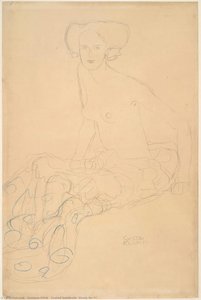
François Auguste René Rodin's "Nude," rendered in charcoal on paper, isn't merely a depiction of the human form; it’s a profound exploration of posture, emotion, and the delicate balance between strength and vulnerability. Dating from an unknown period within Rodin’s prolific career – likely spanning the late 19th century – this drawing offers a rare glimpse into the artist’s process, revealing a figure far removed from the grand, heroic sculptures that would later cement his fame. It's a work born not of monumental commission but of intimate observation and a deep engagement with the subtleties of human expression.
The subject herself is presented in a remarkably relaxed yet subtly tense pose. She’s seated, her body gently curved inward, suggesting both introspection and a quiet reserve. The lines of her spine flow organically, mirroring the gentle curve of her torso – a deliberate choice that emphasizes fluidity and suppleness. Rodin masterfully captures the weight of her form, hinting at underlying musculature without resorting to overt anatomical detail. This restraint is key to the drawing’s power; it invites the viewer to complete the image, filling in the gaps with their own interpretations and emotions.
Rodin’s technique here is characterized by a remarkable sensitivity to texture and tone. The charcoal isn’t applied with harsh, decisive strokes but rather layered and smudged, creating a rich, almost velvety surface. Notice the subtle gradations of grey – from deep shadows that pool around the limbs and torso to lighter washes that define the contours of her face and shoulders. This masterful manipulation of value is crucial to the drawing’s sense of depth and volume. The artist utilizes stumping, a technique involving smudging graphite with a tool, to subtly model the body by blending the contour lines, likely with his finger, while leaving the chemise starkly unrendered.
The choice of paper itself contributes significantly to the artwork’s aesthetic. Its textured surface – heavily emphasized in the photograph – provides a tactile counterpoint to the smooth curves of the figure. The slightly rough quality of the paper grounds the image, preventing it from feeling overly polished or idealized. It speaks to Rodin's preference for working with materials that allowed him to capture the essence of his subject rather than simply replicating its appearance.
To understand “Nude,” we must consider Rodin’s broader artistic trajectory. Initially trained as a decorative stonemason, he quickly moved beyond mere craftsmanship, developing a revolutionary approach to sculpture that prioritized emotional expression and psychological depth. Unlike the idealized forms of classical sculpture, Rodin sought to capture the raw, unfiltered reality of human experience – its joys, sorrows, and vulnerabilities. This drawing exemplifies this shift, moving away from grand narratives towards intimate studies of individual figures.
It’s believed that these preparatory drawings served multiple purposes for Rodin: they acted as records of his sculptures, assisting printmakers in creating accurate illustrations; they functioned as personal practice pieces, allowing him to refine his understanding of form and gesture; and, perhaps most importantly, they provided a space for him to explore the emotional complexities inherent in depicting the human body. The fact that this particular drawing depicts a feminine nude suggests an exploration of themes related to femininity, sensuality, and introspection – subjects frequently explored by Rodin throughout his career.
Beyond its technical merits, “Nude” resonates with profound symbolic meaning. The pose itself—a woman leaning inward, a gesture of both vulnerability and self-awareness—evokes feelings of quiet contemplation and perhaps even melancholy. The lack of overt narrative or symbolism allows the viewer to project their own emotions onto the figure, creating a deeply personal connection. It’s not simply a representation of a body; it's an invitation to consider the complexities of human experience – the beauty, the fragility, and the enduring search for meaning.
Rodin’s “Nude” stands as a testament to his artistic genius—a poignant study in form, emotion, and the enduring power of charcoal. It offers a rare glimpse into the creative process of one of art history's most influential sculptors, inviting us to contemplate the beauty and vulnerability inherent within the human condition.
Ogólny nastrój dzieła „Nude” – Auguste Rodin to Calm. Nastrój ten oddaje ogólną atmosferę pracy.
Aby zamówić wydruk dzieła „Nude” – Auguste Rodin, wystarczy przejść na jego stronę Wydruk artystyczny premium: szlachetna odbitka na płótnie bawełnianym lub archiwalnym papierze o strukturze płótna.
Dla dzieła „Nude” – Auguste Rodin dostępna jest strona Karta informacyjna dla uczniów: nadająca się do druku karta informacyjna o utworze, przygotowana z myślą o uczniach i wykorzystaniu w klasie.


1840 - 1917 , Francja
 Podgląd w skali 1:1
 Wyślij jako kartkę
 Udostępnij
 Szczegóły dzieła
 Przewodnik

 Pobierz obraz
 Podobne obiekty
 RTG
RTG Pokaz slajdów
 Pytania i odpowiedzi
 Statystyki

 Rozwiń treść