Podgląd w skaliPodgląd w skali Podgląd ARPodgląd AR Zamów ręcznie malowaną reprodukcję Zamów ręcznie malowaną reprodukcjęPrzełącz na obraz cyfrowy Przełącz na obraz cyfrowy Wyślij jako kartkęWyślij jako kartkę
Szczegóły dziełaSzczegóły dzieła Dodaj do ulubionych Dodaj do ulubionych PobierzPobierz Podobne obiektyPodobne obiekty RTGRTG Pokaz slajdówPokaz slajdów StatystykiStatystyki

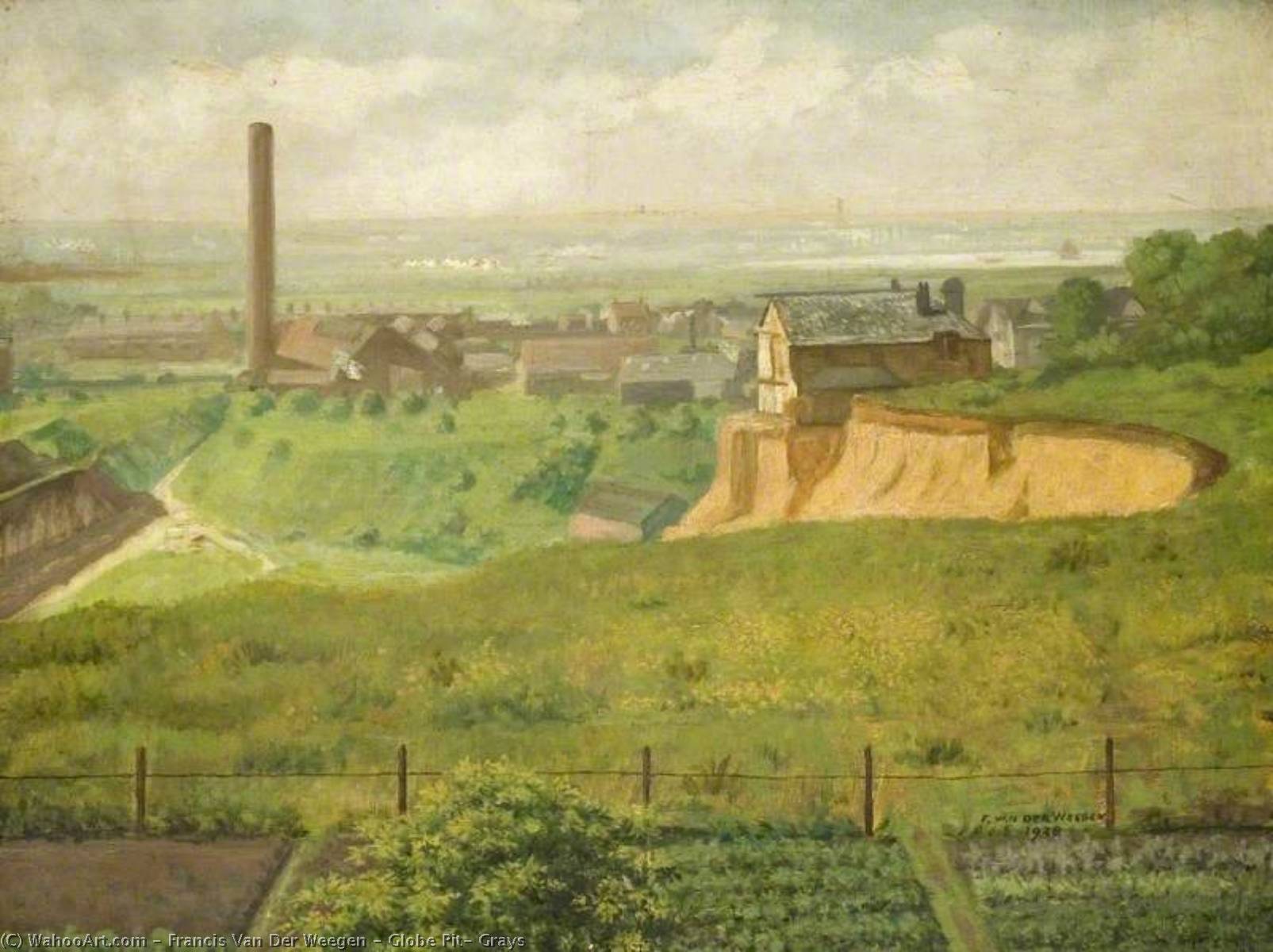
Globe Pit, Grays

  • Data powstania1928
  • Wymiary56.0 x 63.0 cm

Poznaj sugestywne krajobraża Franciska van der Weegena – twórcy WahooArt artysty, który wiernym realizmem przedstawia spokojne sceny Alton i Grays. Jego wyjątkowy styl zainspirował wielu innych malarzy!

Giclée / Wydruk artystyczny

Druk giclée lub płótno o jakości muzealnej, szybka realizacja i szeroki wybór opcji wykończenia. (Zamów ręcznie malowaną reprodukcję Zamów ręcznie malowaną reprodukcjęPrzełącz na obraz cyfrowy Przełącz na obraz cyfrowy)

Standardowy rozmiar
na wymiar
CM
INCH

Wybierz spośród naszych standardowych rozmiarów, które zachowują oryginalne proporcje dzieła sztuki.

szerokość
wysokość

Możesz wprowadzić własne wymiary, aby dopasować dzieło do konkretnej ramy lub przestrzeni. Jeśli wybrany rozmiar nie będzie odpowiadał proporcjom oryginalnego obrazu, przytniecie dzieło lub rozszerzymy obraz za pomocą odbicia lustrzanego lub jednolitego wypełnienia krawędzi. Przed rozpoczęciem produkcji prześlemy cyfrową wizualizację do Twojej akceptacji.
Prosimy pamiętać, że podgląd na ekranie nie odzwierciedla faktycznego przycinania ani rozszerzania. Tylko wizualizacja dokładnie pokaże końcową kompozycję.
Mimo dostępności niestandardowych rozmiarów, zalecamy wybór wymiaru z listy zdefiniowanej, aby zachować oryginalne proporcje.

Dostawa na cały świat () w ciągu 2 tygodni zamiast standardowych 4/5 tygodni. (11 Wrzesień)

why_choose_icon
Bezpłatna ekspresowa wysyłka na cały świat
why_choose_icon
Wysokiej jakości płótno lniane
why_choose_icon
Pełne ubezpieczenie przesyłki
why_choose_icon
Gwarancja zwrotu należności celnych i podatków importowych
why_choose_icon
Gwarancja wiernego odwzorowania kolorów
why_choose_icon
100-dniowa polityka zwrotów (tylko w przypadku wad)
why_choose_icon
Gwarancja 100% zwrotu kosztów
why_choose_icon
Zniżka przy zamówieniu wielu produktów

Suma całkowita

$ 68

reproduction

Globe Pit, Grays

Giclée / Wydruk artystyczny

Wymiary reprodukcji

-

Cena całkowita

$ 68

The painting Globe Pit, Grays by Francis Van Der Weegen is a remarkable piece of art that showcases the artist's skill and attention to detail. Created in 1928, this oil on canvas masterpiece measures 56 x 63 cm and is housed at the Thurrock Museum in Grays, Essex, United Kingdom.

Artist Background

Francis Van Der Weegen was a talented artist who captured the essence of the town of Grays in his painting. The scene depicts a picturesque town with a large hillside in the background, surrounded by lush green fields and featuring several buildings, including a clock tower.

Composition and Style

The composition of the painting creates an impression of a peaceful and idyllic countryside setting. The cloudy sky above adds a sense of drama to the scene, while the boats situated near the top right corner of the image add a touch of realism. The use of oil on canvas gives the painting a rich and vibrant texture, making it a truly captivating piece. Handmade oil painting reproductions of Globe Pit, Grays can be found on WahooArt.com, allowing art enthusiasts to own a piece of this captivating painting.
The painting Globe Pit, Grays by Francis Van Der Weegen is a must-see for anyone interested in art and history, and its availability on WahooArt.com makes it accessible to a wider audience.

O artyście

Francis van der Weegen (c.1854–1930): A Pioneer of Psychological Landscape Painting

Francis van der Weegen, born around 1854 in Altona (now Hamburg), Germany, stands as a singular figure within the landscape art movement of the late nineteenth and early twentieth centuries. Unlike many contemporaries who sought to faithfully reproduce visual impressions, Van der Weegen embarked on a profoundly ambitious endeavor: to translate inner emotional states into tangible depictions of rural England – specifically Alton and Grays.

His artistic journey began with formal training in Düsseldorf’s Kunstakademie, where he honed his skills under the tutelage of Wilhelm Leibl and Anton Faigl. Leibl instilled a meticulous attention to detail and an unwavering commitment to capturing the subtleties of light and atmosphere—principles that would become hallmarks of Van der Weegen's distinctive style.

  • Early Influences: The Impressionist movement, spearheaded by Monet and Renoir, undeniably shaped Van der Weegen’s initial explorations into color and brushwork. However, he swiftly transcended mere imitation, recognizing the limitations of representing subjective experience solely through optical observation.
  • The Quest for Psychological Depth: Driven by a fascination with psychology—influenced by Sigmund Freud's burgeoning theories—Van der Weegen sought to convey not just what he saw but also what he felt. He meticulously studied human anatomy and physiology, striving to depict the physical manifestations of emotion within his landscapes.
  • Alton Landscapes: A Synthesis of Observation and Emotion: Van der Weegen’s Alton paintings exemplify this groundbreaking approach. Rather than presenting idealized vistas, he depicted scenes imbued with palpable tension—the encroaching darkness of impending storms, the quiet melancholy of twilight hours—reflecting a profound understanding of human vulnerability. These canvases are characterized by an extraordinary sensitivity to tonal gradation and atmospheric perspective, capturing not only the visual appearance of the landscape but also its emotional resonance.
  • Grays Revisited: Exploring Isolation and Remembrance: His depictions of Grays, particularly “Globe Pit,” reveal an enduring preoccupation with themes of solitude and memory. These canvases capture the desolate beauty of abandoned spaces, prompting contemplation on time’s passage and the lingering presence of past experiences. The artist's masterful use of color—often muted blues and greens—creates a mood of melancholic introspection, mirroring the psychological complexities inherent in human experience.
  • Legacy and Recognition: Despite facing considerable skepticism during his lifetime—many critics dismissed his work as overly sentimental—Van der Weegen gained posthumous acclaim for his pioneering contribution to landscape painting. Today, he is recognized as a visionary artist who fundamentally altered the artistic discourse surrounding psychological representation. His influence extends beyond the realm of painting itself, inspiring subsequent generations of artists to explore the expressive potential of visual media in conveying emotional depth and psychological insight.

His enduring legacy resides in his unwavering dedication to capturing the nuances of human emotion within the natural world—a pursuit that established him as one of the most innovative and emotionally resonant figures of his era.

Krótka nota

  • Artistic Movement Or Style: Realizm krajobrazowy
  • Artists Or Movements Influenced By This Artist: ['Impressioniści']
  • Artists Who Influenced This Artist:
    • Hugo van der Goes
    • Rogier van der Weyden
  • Date Of Birth: c.1854
  • Date Of Death: 1930
  • Full Name: Francis van der Weegen
  • Nationality: Brytyjczyk
  • Notable Artworks:
    • Widok na wioski w Altonie
    • Globowisko, Grays
  • Place Of Birth: Alton & Grays