Początki i burzliwa młodość Francisa Bacona
Francis Bacon, urodzony w Dublinie w 1909 roku, stał się jednym z najbardziej rozpoznawalnych i kontrowersyjnych artystów XX wieku. Jego twórczość, naznaczona surowością emocji i bezkompromisowym spojrzeniem na ludzką egzystencję, wywarła ogromny wpływ na rozwój malarstwa współczesnego. Wczesne lata Bacona nie były łatwe – częste przeprowadzki spowodowane chorobą matki zaszczepiły w nim poczucie braku stabilności i odosobnienia, które głęboko wpłynęło na jego światopogląd i znalazło odbicie w jego płótnach. Złożona relacja z wymagającym ojcem oraz silna więź z nianią, Jessie Lightfoot, ukształtowały jego wrażliwość emocjonalną. Początkowo zainteresowany wyścigami konnymi i hazardem, Bacon przez wiele lat dryfował między różnymi zajęciami, zanim w końcu, pod koniec lat dwudziestych, poświęcił się malarstwu – opóźniony start, który być może wzmocnił poczucie pilności i intensywności jego późniejszych prac. Nie miał formalnego wykształcenia artystycznego, zamiast tego torował sobie własną drogę, czerpiąc inspiracje z różnorodnych źródeł i rozwijając niepowtarzalny, często niepokojący język wizualny.
Wpływy i kształtowanie się stylu
Artystyczne przebudzenie Bacona nie było natychmiastowe, lecz stopniowym procesem przyswajania wrażeń. Twórczość Pabla Picassa, a zwłaszcza zdeformowane figury z wczesnego okresu kubizmu, okazała się kluczowa w uwolnieniu go od tradycyjnej reprezentacji rzeczywistości. Inspirację czerpał również z poruszającej fotografii Egona Schiele’go, którego ekspresyjne zniekształcenia ludzkiej formy rezonowały z jego własnym rodzącym się fascynowaniem kruchością i podatnością na cierpienie. Decydującym momentem okazało się jednak przypadkowe spotkanie z filmem *Pancernik Potemkin* Siergieja Eisensteina. Wizualna siła filmu, szczególnie zbliżenie na krzyczącą twarz, stała się trwałym motywem w jego twórczości, symbolizując pierwotny lęk i głębię ludzkich cierpień. Podziwiał także mistrzów dawnych, zwłaszcza Diego Velázqueza, którego *Portret papieża Innocentego X* wielokrotnie reinterpretował na przestrzeni lat, przekształcając autorytatywną postać papieską w udręczonego ducha. Te wpływy nie były jedynie stylistycznymi zapożyczeniami; zostały przyswojone i przetworzone przez jego unikalną wrażliwość, dając początek wizji artystycznej, która była zarówno głęboko osobista, jak i powszechnie zrozumiała.
Przełomowy moment i charakterystyczne cechy stylu
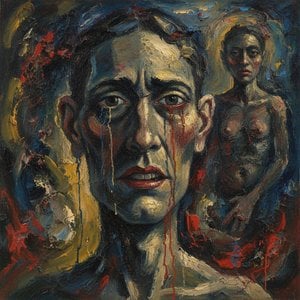
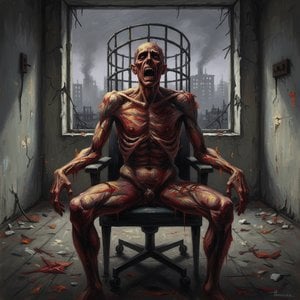
Prawdziwy przełom w karierze Bacona nastąpił wraz z *Tryptykiem: Studium postaci u podstawy krzyża* (1944), dziełem, które zszokowało i poruszyło publiczność powojennej Londynu. Ten tryptyk ustanowił jego charakterystyczny styl – zdeformowane, rozbite figury odizolowane w klaustrofobicznych przestrzeniach. Nie były to przedstawienia religijnego męczeństwa, lecz wizualne eksploracje ludzkiego bólu, pozbawione pocieszycielnej narracji i duchowego ukojenia. Jego obrazy często charakteryzują się rozmyte lub rozpływające się formy, oddając stan psychicznego niepokoju i fizycznej wrażliwości. Często wykorzystywał geometryczne struktury – klatki, pudła – aby ograniczyć swoje postaci, podkreślając ich izolację i bezsilność. Paleta Bacona była zazwyczaj stonowana i ponura, odzwierciedlająca mroczne tematy, które eksplorował, choć przetykana wybuchami intensywnych kolorów, które wzmacniały emocjonalny efekt. Użycie tych klatek nie było jedynie zabiegiem kompozycyjnym; symbolizowało inherentne ograniczenia i przeszkody narzucone ludzkiemu istnieniu. Dążył do uchwycenia nie tylko *tego*, jak rzeczy wyglądają, ale przede wszystkim *jak* się czują, przenosząc na płótno stany wewnętrzne lęku, strachu i rozpaczy z brutalną szczerością.
Motywy śmiertelności, bólu i kondycji ludzkiej
Przez całą swoją bogatą karierę Bacon wielokrotnie powracał do pewnych motywów: ukrzyżowania jako symbolu cierpienia; portretów wnikających w psychologiczną intensywność jego modeli, często przyjaciół i kochanków, takich jak George Dyer; oraz autoportretów służących introspekcyjnym eksploracjom tożsamości i śmiertelności. Seria *Studium po Velázquezowskim Portrecie Papieża Innocentego X* (1953) jest być może jednym z jego najbardziej ikonicznych osiągnięć, przekształcając godny portret Velázqueza w krzyczący widm, uosabiający egzystencjalny lęk. Portrety George’a Dyera, jego burzliwego kochanka, są szczególnie przejmujące, oddając zarówno intensywność ich związku, jak i zbliżający się cień tragedii. Prace Bacona nie dotyczyły przedstawiania konkretnych osób; chodziło o eksplorację uniwersalnych tematów ludzkiej podatności na cierpienie, izolacji i nieuchronności śmierci. Nie stronił od ciemniejszych aspektów egzystencji, lecz konfrontował się z nimi bezpośrednio, zmuszając widzów do zmierzenia się z własną śmiertelnością i lękami.
Trwałe dziedzictwo: kwestionowanie konwencji
Wpływ Francisa Bacona na sztukę XX wieku jest niezaprzeczalny. Podważył tradycyjne pojęcia reprezentacji, odrzucając idealizowaną piękność na rzecz surowego, bezkompromisowego portretu ludzkiej kondycji. Jego twórczość wywarła ogromny wpływ na pokolenia artystów, torując drogę nowym formom ekspresji i kwestionując konwencjonalne granice artystyczne.
- Ekspresjonizm powojenny: Bacon jest uważany za kluczową postać tego ruchu, inspirując artystów swoim śmiałym stylem i psychologiczną głębią.
- Rekordy aukcyjne i wystawy muzealne: Jego obrazy nadal osiągają wysokie ceny na aukcjach i są prezentowane w najważniejszych muzeach na całym świecie, umacniając jego pozycję w historii sztuki.
- Konfrontacja z prawdą: Dziedzictwo Bacona tkwi w jego zdolności do konfrontowania niewygodnych prawd o ludzkim istnieniu i przekładania tych doświadczeń na potężne i niezapomniane obrazy.
Pomimo burzliwego życia osobistego, naznaczonego hazardem, piciem i złożonymi relacjami, pozostał oddany sztuce do śmierci w 1992 roku. Pozostawił po sobie dorobek, który nadal rezonuje z publicznością dzisiaj, przypominając nam o kruchości egzystencji i trwałej sile sztuki w konfrontowaniu najmroczniejszych zakątków ludzkiej duszy. Jego obrazy nie są jedynie obrazami; to visceralne doświadczenia – świadectwo niezachwianej mocy sztuki w prowokowaniu, niepokojeniu i ostatecznie oświecaniu złożoności bycia człowiekiem.



 Zobacz w skali 1:1
 Kup ręcznie malowany obraz
 Wyślij
 Udostępnij
 Szczegóły
 Przewodnik

 Pobierz plik obrazu
 Podobne obiekty
 RTG
RTG Pokaz slajdów
 Statystyki
 Czytaj więcej






































 Opcja ze szkłem jest dostępna wyłącznie w rozmiarach poniżej 110 cm