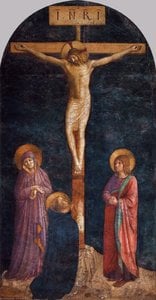
Fra Angelico’s “Last Judgement”: A Vision of Divine Mercy
The world of Fra Angelico’s *Last Judgement*, painted in 1431 for the Camaldolese monastery in Florence, isn't a scene of terrifying wrath or overwhelming despair. Instead, it offers a profoundly moving meditation on faith, repentance, and the enduring grace of divine mercy. This intricate panel, now residing within the serene walls of San Marco Museum, transcends its religious subject matter to become a testament to the artist’s extraordinary ability to imbue even the most solemn themes with an ethereal beauty and palpable humanity. It's a work that invites contemplation, not fear – a window into the soul of the Early Renaissance.
The composition itself is a masterful orchestration of chaos and order. Christ, seated on a majestic throne, presides over a panorama of judgment, his gaze both compassionate and resolute. Below him, humanity is divided: one half ascending towards the radiant light of heaven, the other descending into the shadowed depths of hell. The arrangement isn’t simply hierarchical; it's a dynamic flow, a swirling vortex of souls caught in the throes of their final reckoning. Angels, draped in flowing robes and radiating an otherworldly glow, guide the righteous while demons, grotesque and menacing, drag the damned towards eternal torment. Yet, even amidst this dramatic tableau, there’s a remarkable sense of balance, a carefully constructed harmony that speaks to Angelico's profound understanding of artistic principles.
A Symphony of Tempera: Technique and Detail
Fra Angelico’s genius lay not only in his ability to capture the spiritual essence of his subject but also in his mastery of technique. He primarily employed tempera on panel, a medium known for its luminous colors and delicate layering capabilities. Notice particularly the meticulous detail evident in every brushstroke – the intricate folds of drapery, the expressive faces conveying a spectrum of emotions, the subtle textures that bring the figures to life. The artist’s skill is further enhanced by his use of *glossa*, a technique involving applying multiple thin layers of paint over each other, creating an astonishing depth and richness of color. This layering process also contributes to the painting's slightly matte finish, lending it a timeless quality.
The choice of blue as a dominant hue is significant. It’s not merely decorative; it symbolizes heaven, divinity, and the infinite expanse of God’s grace. The contrast with the darker tones associated with hell underscores the fundamental dichotomy between righteousness and sin. Furthermore, Angelico's use of gold leaf – sparingly applied but strategically placed – adds a touch of celestial splendor, highlighting Christ as the ultimate judge and savior.
Symbolism Woven into Every Detail
Every element within *The Last Judgement* is laden with symbolic meaning. The halos surrounding the saints signify their sanctity, while the demons represent the forces of evil constantly tempting humanity towards darkness. The sphere at the top of the composition – often interpreted as a representation of heaven or the divine realm – serves as a visual anchor, drawing the eye upwards and emphasizing the ultimate destination for those who choose righteousness. The inclusion of diverse clothing styles hints at the universality of God’s judgment—a reminder that all people, regardless of their social standing, are subject to his law.
Consider the faces: they aren't merely representations of individuals but embodiments of emotions – fear, despair, hope, and righteous judgment. The artist masterfully conveys these feelings through subtle shifts in expression, inviting viewers to contemplate their own spiritual standing. The inclusion of a broken tomb at the base of the painting is a poignant reminder of mortality and the promise of resurrection.
A Legacy of Spiritual Beauty
Fra Angelico’s *Last Judgement* stands as a pivotal work in the transition from Gothic to Renaissance art, bridging the gap between these two distinct styles. His influence on subsequent generations of artists – particularly his impact on Raphael – is undeniable. The painting's serene spirituality and exquisite detail continue to captivate audiences centuries after its creation. It’s more than just a religious depiction; it’s an enduring testament to the power of art to inspire contemplation, evoke emotion, and offer a glimpse into the eternal mysteries of faith.
As a reproduction, this masterpiece retains its ability to transform any space, bringing a touch of Renaissance grandeur and spiritual depth. Whether adorning a traditional interior or adding a striking element to a contemporary setting, *The Last Judgement* remains a timeless symbol of hope, redemption, and the enduring beauty of divine mercy.



 Zobacz w skali 1:1
 Kup ręcznie malowany obraz
 Wyślij
 Udostępnij
 Szczegóły
 Przewodnik

 Pobierz plik obrazu
 Podobne obiekty
 RTG
RTG Pokaz slajdów
 Statystyki


 Czytaj więcej






































 Opcja ze szkłem jest dostępna wyłącznie w rozmiarach poniżej 110 cm