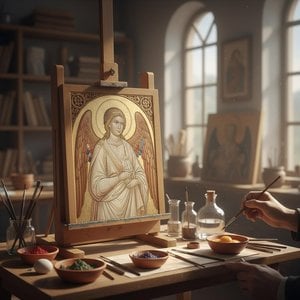
Giovanni da Fiesole: Anioł Pędzla Renesansu
Włoskie wzgórza Toskanii, okolice Florencji – to właśnie w Rupesanie, około roku 1395, narodził się Giovanni, który miał na zawsze zmienić oblicze sztuki renesansowej. Dziś znamy go jako Fra Angelico, Błogosławionego Angelico, malarza o niezwykłej wrażliwości i głębi duchowej, którego dzieła emanują spokojem i boskością. Początki jego życia skrywają się w cieniu tajemnicy – niewiele wiadomo o rodzinie czy dzieciństwie Giovanniego, ale wiemy, że otrzymał solidne wykształcenie, przygotowujące go do życia poza skromnymi korzeniami. Przełomowym momentem stało się wstąpienie do Zakonu Dominikanów w Fiesole, gdzie młody Giovanni przyjął imię Fra Angelico – Brata Angelico, nazwisko, które miało odzwierciedlać zarówno jego śluby monastyczne, jak i anielską naturę jego sztuki. Początkowo powierzono mu iluminację manuskryptów, niezwykle precyzyjna i wymagająca żywych barw praca, która wyostrzyła jego umiejętności i przygotowała go do tworzenia monumentalnych fresków i obrazów panelowych. To wczesne szkolenie zaszczepiło w nim głęboki szacunek dla detalu, opanowanie pigmentu oraz zrozumienie, jak przekazywać narrację poprzez wizualną opowieść. Dominikański nacisk na studia teologiczne niewątpliwie ukształtował jego wizję artystyczną, nadając jego pracy głębokie poczucie wiary i celu.
Ewolucja Unikalnego Stylu: Od Gotyku do Renesansu
Rozwój artystyczny Fra Angelico nie dokonywał się w izolacji; chłonął prądy malarstwa florenckiego tamtych czasów. Elegancka linearność i dekoracyjne wzory Lorenza Monaco, czołowego malarza epoki, są widoczne we wczesnych pracach Angelico. Jednak Fra Angelico nie ograniczał się do naśladowania swojego poprzednika. Zaczynał syntezować te wpływy z rozwijającym się naturalizmem, prawdopodobnie zainspirowany przełomowymi freskami Masaccia. Podczas gdy Masaccio zrewolucjonizował malarstwo dramatycznym wykorzystaniem perspektywy i realistycznym przedstawieniem ludzkiej postaci, Fra Angelico obrał inną drogę. Przyjął perspektywę nie dla samej perspektywy, lecz jako sposób na stworzenie bardziej wciągającego doświadczenia duchowego. Jego postacie, choć wdzięczne i często idealizowane, posiadają cichą godność i rezonans emocjonalny, który wykracza poza zwykłe przedstawienie. Kluczowe jest to, że jego sztuka była nierozerwalnie związana z jego wiarą; widział malowanie nie jako profesję, ale jako akt modlitwy – sposób na kontemplację boskości i uczynienie jej widoczną dla innych. To głęboko zakorzenione przekonanie przenikało każdy pociągnięcie pędzla czcią i szczerością.
Arcydzieła Wiary i Koloru: San Marco i Nie Tylko
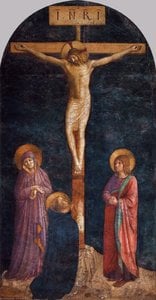
Dziedzictwo artystyczne Fra Angelico opiera się na kilku monumentalnych dziełach, które nadal inspirują zachwyt przez wieki. Freski w klasztorze San Marco we Florencji są powszechnie uważane za jego arcydzieło. Zamówione dla konwentu dominikańskiego, te sceny z życia Chrystusa emanują spokojną prostotą i głębią emocjonalną rzadko spotykana w sztuce renesansowej. Każdy obraz – od Zwiastowania po Ukrzyżowanie – jest napełniony poczuciem cichej kontemplacji, zapraszając widza do osobistego spotkania z sacrum. Poza San Marco, *Ołtarz Perguskiego* prezentuje jego ewoluujący styl, szczególnie w delikatnym przedstawieniu Zwiastowania. Motyw samego Zwiastowania pojawia się w wielu wersjach na przestrzeni jego twórczości, każda oddana z eteryczną pięknem i symbolicznym bogactwem. Dzieła takie jak *Święty Łazarz rozdający jałmużnę* demonstrują jego umiejętności kompozycyjne oraz zdolność do przedstawiania emocji ludzkich z wrażliwością i gracją. Jego paleta charakteryzuje się jasnymi, czystymi kolorami – błękitami, złotami i czerwieniami – które wydają się promieniować od wewnątrz, tworząc atmosferę nieludzkiej świetlistości.
Trwały Wpływ: Patron Artystów i Symbol Wiary
Fra Angelico stoi jako kluczowa postać we wczesnym renesansie, uosabiając łączenie się religijnej pobożności i artystycznych innowacji epoki. Nie był tylko malarzem; był wizjonerem duchowym, który przetłumaczył swoją wiarę na formy wizualne. Jego praca odzwierciedla humanistyczne ideały okresu, podkreślając godność człowieka i potencjał do kontemplacji duchowej. Giorgio Vasari, słynny historyk sztuki, wychwalał Fra Angelico w swoich *Żywotach artystów*, twierdząc, że żadna ilość pochwał nie mogłaby w pełni uchwycić piękna jego kreacji. To uznanie umocniło jego miejsce w kanonie zachodniej sztuki. Jego wpływ rozciągał się daleko poza jego własne czasy, inspirując kolejne pokolenia artystów swoim pobożnym stylem i mistrzowskim wykorzystaniem koloru. W 1982 roku Papież Jan Paweł II oficjalnie uznał świętość Fra Angelico, beatyfikując go – świadectwo głębokiego duchowego wpływu jego życia i twórczości. Dziś jego sztuka nadal rezonuje z odbiorcami na całym świecie, oferując ponadczasową wiadomość wiary, nadziei i piękna.
Gdzie Doświadczyć Jego Sztuki
- Museo di San Marco, Florencja: To muzeum posiada największą i najbardziej znaczącą kolekcję dzieł Fra Angelico, w tym zapierające dech w piersiach freski z klasztoru.
- Luwr (Paryż): W rozległej kolekcji Luwru można znaleźć kilka ważnych obrazów autorstwa Fra Angelico.
- National Gallery (Londyn): National Gallery posiada wybór jego dzieł, oferując zwiedzającym wgląd w jego artystyczny geniusz.
- Santa Maria sopra Minerva, Rzym: Ten kościół zawiera freski Fra Angelico i jest miejscem, gdzie został oficjalnie beatyfikowany.
- Liczne inne muzea na całym świecie również prezentują przykłady jego sztuki, umożliwiając szersze docenienie jego trwałego dziedzictwa.



 Zobacz w skali 1:1
 Kup ręcznie malowany obraz
 Wyślij
 Udostępnij
 Szczegóły
 Przewodnik

 Pobierz plik obrazu
 Podobne obiekty
 RTG
RTG Pokaz slajdów
 Statystyki


 Czytaj więcej






































 Opcja ze szkłem jest dostępna wyłącznie w rozmiarach poniżej 110 cm