Biografia artysty
Filippo Brunelleschi: Architekt, Inżynier i Wizjoner Renesansu
Filippo Brunelleschi, urodzony we Florencji w 1377 roku, to postać o niezwykłym znaczeniu, łącząca średniowieczny świat z rozwijającym się renesansem. Początkowo przeznaczony do kariery prawnej zgodnie z wolą ojca, młody Filippo szybko ujawnił swoje artystyczne skłonności. Został oddany na naukę złotnikowi, rzemiosło, które wyostrzyło jego niezwykłą dbałość o szczegóły i opanowanie materiałów – umiejętności bezcenne w późniejszych architektonicznych przedsięwzięciach. To wczesne szkolenie nie ograniczało się jedynie do umiejętności technicznych; kształtowało zrozumienie formy, proporcji i ekspresyjnego potencjału tkwiącego w manipulacji materią. Udział w konkursie na drugie drzwi do baptysterium we Florencji w 1401 roku, choć zakończony porażką wobec Lorenza Ghibertiego, ujawnił rodzący się talent i śmiałą wizję artystyczną. To doświadczenie, choć początkowo rozczarowujące, okazało się przełomowe, przekierowując jego energię w stronę architektury – dziedziny, w której na zawsze ukształtował bieg zachodniej sztuki i inżynierii.
Kopuła Florenckiej Katedry: Wyzwanie i Triumf Innowacji
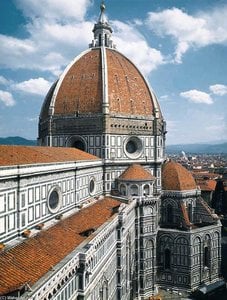
Największym i najbardziej rozpoznawalnym osiągnięciem Brunelleschiego jest bez wątpienia kopuła florenckiej katedry – Santa Maria del Fiore. To przedsięwzięcie, które przez dziesięciolecia frustrowało architektów, stało się symbolem jego geniuszu. Wyzwanie było ogromne: jak zbudować tak potężną konstrukcję bez tradycyjnych rusztowań? Brunelleschi znalazł rozwiązanie, odrzucając konwencjonalne metody i opracowując innowacyjną konstrukcję z podwójnej skorupy, wspierającą się sama. Wykorzystał do tego genialne mechanizmy podnoszące oraz sprytne wzory układania cegieł, które równomiernie rozkładały ciężar i zapewniały stabilność. Nie był to jedynie triumf inżynierii; był to świadectwo ludzkiej pomysłowości i symbol ambicji Florencji. Konstrukcja kopuły wymagała nie tylko wiedzy technicznej, ale również głębokiego zrozumienia matematyki i statyki – Brunelleschi wykazał się w tym zakresie niezwykłą biegłością, stając się pionierem w dziedzinie inżynierii budowlanej.
Klasyczne Inspiracje i Nowa Architektura
Brunelleschi nie ograniczał się jedynie do rozwiązywania problemów konstrukcyjnych; odradzał również klasyczne ideały w architekturze. Studiował ruiny rzymskie, czerpiąc z nich inspirację dla proporcji, harmonii i organizacji przestrzennej. Wpływ ten jest widoczny w takich dziełach jak Stara Sakrystia San Lorenzo, gdzie zastosował symetryczne układy, łuki okrągłe oraz klasyczny ornament, tworząc przestrzeń emanującą spokojem i równowagą. Inne znaczące projekty – Szpital Niewiniątek (Spedale degli Innocenti), Palazzo Rucellai czy Bazylika San Lorenzo – charakteryzują się jego charakterystycznym stylem: harmonijnym połączeniem klasycznych inspiracji z innowacyjnymi rozwiązaniami konstrukcyjnymi. Brunelleschi rozumiał, że architektura to nie tylko budowanie ścian i dachów; to tworzenie przestrzeni, które wpływają na emocje i doświadczenia ludzi.
Odkrycie Perspektywy Linearnej: Rewolucja w Sztuce
Wkład Brunelleschiego wykracza daleko poza architekturę – przypisuje mu się ponowne odkrycie i formalizację zasad perspektywy linearnej, techniki, która fundamentalnie zmieniła bieg historii sztuki. Przed Brunelleschim obrazy przestrzeni pozbawione były spójnego systemu reprezentowania głębi i realizmu. Jego skrupulatne badania optyki i geometrii doprowadziły do opracowania metody tworzenia iluzji trójwymiarowej przestrzeni na dwuwymiarowej powierzchni. Polegało to na ustaleniu punktu zbiegu – pojedynczego punktu na linii horyzontu, w kierunku którego zbiegają się wszystkie równoległe linie – oraz wykorzystaniu obliczeń matematycznych do dokładnego przedstawienia relacji przestrzennych. Konsekwencje były ogromne. Perspektywa liniowa dała artystom potężne narzędzie do osiągnięcia większego realizmu i wpływu emocjonalnego w ich pracy, wpływając na pokolenia malarzy i rzeźbiarzy. Nie chodziło jedynie o techniczną dokładność; chodziło o stworzenie bardziej immersyjnego i wiarygodnego doświadczenia wizualnego dla widza.
Dziedzictwo: Ojciec Renesansu
Genialność Brunelleschiego nie pojawiła się w próżni. Czerpał inspirację z różnych źródeł, syntezując je w coś całkowicie nowego. Architektura starożytnych Rzymian dostarczyła mu fundamentu klasycznych zasad, podczas gdy kontakt ze strukturami gotyckimi dał mu zrozumienie wyzwań konstrukcyjnych i innowacyjnych technik budowlanych. Co istotne, rodzący się ruch humanizmu renesansowego – z jego naciskiem na potencjał i osiągnięcia człowieka – głęboko rezonował z innowacyjnym duchem Brunelleschiego. Wierzył w moc rozumu, obserwacji i eksperymentowania – cechy, które podparły jego przełomową pracę. Jego dziedzictwo jest ogromne. Uważany jest za jednego z ojców chrzestnych renesansu, kluczowej postaci, która zapoczątkowała nową erę artystycznego i intelektualnego rozkwitu. Jego innowacje inżynieryjne nadal inspirują współczesne praktyki budowlane, a rozwój perspektywy linearnej pozostaje kamieniem węgielnym sztuki reprezentacyjnej. Ale być może najważniejsze jest to, że Brunelleschi uosabia nowy sposób myślenia – wiarę w ludzką pomysłowość, zaangażowanie w racjonalne badania i celebrację piękna i porządku tkwiącego w świecie naturalnym. Nie tylko zmienił panoramę Florencji; zmienił sposób, w jaki postrzegamy świat.



 Przełącz na wersję drukowaną
 Wyślij
 Udostępnij
 Szczegóły
 Przewodnik

 Pobierz plik obrazu
 Podobne obiekty
 Pokaz slajdów
 Statystyki


 Czytaj więcej






































 Opcja ze szkłem jest dostępna wyłącznie w rozmiarach poniżej 110 cm