DARMOWA KONSULTACJA ARTYSTYCZNA

x
Zamów reprodukcję Zamów reprodukcjęKup cyfrowy obraz Kup cyfrowy obraz UdostępnijUdostępnij
Szczegóły dziełaSzczegóły dzieła Dodaj do ulubionych Dodaj do ulubionych PobierzPobierz Podobne obiektyPodobne obiekty RTGRTG Pokaz slajdówPokaz slajdów

Moja Matka

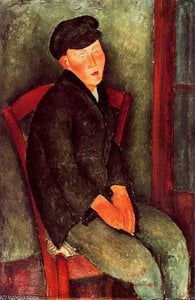
"Moja Matka" - Poruszająca twórczość Feliksa Nussbauma z roku 1926. Surrealistyczny obraz kobiety w profilu, pełen emocji i refleksji nad życiem oraz samotnością. Eksponat Muzeum Sztuki San Felice we Florencji.

Felix Nussbaum (1904-1945) był niemieckim malarzem pochodzenia żydowskiego, przedstawicielem Nowej Rzeczowości; mąż malarki Felki Płatek; ofiara Holocaustu. Jego twórczość charakteryzuje się surrealistycznym stylem i ekspresją emocjonalną oraz stanowi przerażającą refleksję nad cierpieniem ludzkim i wojennymi wydarzeniami. Odkryj jego ikoniczne dzieła, takie jak „Triumph of Death” oraz „Self Portr

Giclée / Wydruk artystyczny

Druk giclée lub płótno o jakości muzealnej z szybką realizacją i szerokim wyborem opcji wykończenia.

P118B $10
P118H $10
P118W $10
P438Z $10
P508JH $12
P508YH $12
P805H $10
P805Z $10
P919BZ $10
P919G $10
P919XJ $10
P959ZH $10
P968JZ $12
W106C $8
W218G $10
W218JH $8
W218Y $10
W307PJ $10
W316G $10
W316PJ $8
W316Y $10
W398PJ $8
W4111J $10
W500HY $15
W500JH $15
W692G $12
W849H $8
W940BG $15
W953PJ $8

Standard
custom
CM
INCH

Wybierz spośród naszych predefiniowanych rozmiarów, które zachowują oryginalne proporcje dzieła sztuki.

szerokość
wysokość

Możesz wprowadzić własne wymiary, aby dopasować dzieło do konkretnej ramy lub przestrzeni. Jeśli wybrany rozmiar nie będzie odpowiadał proporcjom oryginalnego obrazu, przytniecie dzieło lub rozszerzymy obraz za pomocą odbicia lustrzanego lub jednolitego wypełnienia krawędzi. Przed rozpoczęciem produkcji prześlemy cyfrową wizualizację do Twojej akceptacji.
Prosimy pamiętać, że podgląd na ekranie nie odzwierciedla faktycznego przycinania ani rozszerzania. Tylko wizualizacja dokładnie pokaże końcową kompozycję.
Mimo dostępności niestandardowych rozmiarów, zalecamy wybór wymiaru z listy zdefiniowanej, aby zachować oryginalne proporcje.

Dostawa na cały świat () w ciągu 2 tygodni zamiast standardowych 4/5 tygodni. (4 Lipiec)

why_choose_icon
Bezpłatna ekspresowa wysyłka na cały świat
why_choose_icon
Wysokiej jakości płótno lniane
why_choose_icon
Pełne ubezpieczenie przesyłki
why_choose_icon
Gwarancja zwrotu należności celnych
why_choose_icon
Gwarancja pełnego zgodności kolorystycznej
why_choose_icon
Polityka 60-dniowego zwrotu (tylko w przypadku wad)
why_choose_icon
Gwarancja 100% zwrotu pieniędzy
why_choose_icon
Zniżka przy większych zamówieniach

Suma całkowita

-

reproduction

Moja Matka

Giclée / Wydruk artystyczny

Wymiary reprodukcji

-

Cena całkowita

-

Szybkie fakty

  • Dimensions: 50 x 55 cm
  • Title: My Mother
  • Notable elements or techniques: Realistic rendering; Subtle light & shadow
  • Medium: Painting
  • Subject or theme: Family portrait; Introspection
  • Influences:
    • Giorgio de Chirico
    • Henri Rousseau
  • Movement: New Objectivity

Quiz o sztuce

Na każde pytanie istnieje tylko jedna poprawna odpowiedź.

Pytanie 1:
What artistic movement is Felix Nussbaum’s painting ‘My Mother’ primarily associated with?
Pytanie 2:
The painting depicts a woman in profile view. What is the dominant emotion conveyed by her expression?
Pytanie 3:
What prominent artist influenced Nussbaum's style and technique, as evidenced in ‘My Mother’?
Pytanie 4:
The painting utilizes subtle light and shadow to create a sense of depth. Which artistic principle does this exemplify?
Pytanie 5:
In what year was Felix Nussbaum’s painting ‘My Mother’ created?

Opis obiektu kolekcjonerskiego

Felix Nussbaum’s “My Mother” – A Silent Testament to Displacement

The painting "My Mother" by Felix Nussbaum, created in 1926, transcends mere visual representation; it embodies the profound emotional resonance of exile and the enduring power of familial connection. Nussbaum, a German-Jewish Surrealist artist grappling with the burgeoning anxieties of nationalism during his formative years, meticulously crafted this piece as a response to the evolving artistic landscape of his time—influenced by luminaries like Giorgio de Chirico, Henri Rousseau, and Vincent van Gogh. This initial stylistic grounding would prove crucial in shaping Nussbaum’s distinctive approach to capturing human experience amidst turbulent circumstances.
  • Subject Matter: The artwork centers on a portrait of a woman, rendered in profile view. Her gaze is contemplative, hinting at inner turmoil yet radiating an unwavering strength—a characteristic that speaks volumes about resilience and maternal devotion.
  • Style & Technique: Nussbaum’s style aligns closely with New Objectivity, prioritizing precise detail and realistic depiction while simultaneously injecting a subtle psychological depth. The artist skillfully employs light and shadow to sculpt the woman's face, creating an illusion of three-dimensionality that draws the viewer into her gaze.
  • Color Palette: Dominated by muted tones—primarily dark browns and grays—the palette reflects the somber mood of displacement and loss. However, a delicate interplay of color is achieved through subtle highlights on the woman’s skin and hair, emphasizing her presence against the neutral backdrop.

Symbolism & Emotional Resonance

Beyond its formal elements, “My Mother” carries significant symbolic weight. The woman's posture conveys vulnerability yet simultaneously embodies unwavering fortitude—a poignant reflection of the human spirit confronting adversity. Furthermore, the inclusion of flowers arranged in a bouquet serves as an evocative counterpoint to the prevailing darkness, symbolizing hope and beauty amidst hardship. These floral accents subtly underscore the enduring importance of nurturing relationships and cherishing moments of tranquility.

Historical Context & Artistic Legacy

Created before Nussbaum’s harrowing experiences during World War II and the Holocaust—when he sought refuge in Belgium—the painting represents a moment of relative stability and artistic exploration. Yet, it foreshadows the artist's later preoccupation with themes of trauma and identity, as evidenced by his iconic self-portrait “Self Portrait with Jewish Identity Card” (1943). Nussbaum’s oeuvre stands as a testament to the ability of art to bear witness to history—capturing not only visual impressions but also the psychological complexities of exile and persecution.

Conclusion: A Timeless Reflection on Humanity

“My Mother” remains an enduring masterpiece, demonstrating Nussbaum's mastery of technique and his profound understanding of human emotion. Its quiet contemplation invites viewers to consider themes of resilience, familial love, and the importance of preserving beauty amidst challenging circumstances—a timeless message that continues to resonate powerfully today. The painting’s understated elegance serves as a poignant reminder of the enduring capacity for art to illuminate the human condition.

Biografia artysty

Felix Nussbaum (1904-1944) – A Life Etched in Exile: The Haunting Vision of Art Born From Suffering

Felix Nussbaum’s story is a profoundly moving testament to the transformative power of art born from unimaginable suffering. Born in Osnabrück, Germany, in 1904, his life unfolded against the backdrop of escalating nationalism and persecution, culminating in the horrors of the Holocaust – an experience that irrevocably shaped his artistic vision and cemented his place as one of the most poignant voices of the era. He wasn’t merely a victim *of* history; he was an artist who meticulously documented its impact on his soul, creating a body of work that stands as both a personal lament and a universal warning – a perspective often absent from broader historical narratives. His father, Philipp Nussbaum, a World War I veteran with an early passion for painting himself, recognized and nurtured his son’s talent, providing encouragement that would prove vital in the darkening years to come. This initial support fostered a lifelong dedication to art, even as political realities increasingly constricted his path.

Early Life and Artistic Influences: Seeds of Surrealism

Nussbaum’s artistic journey began with formal studies in Hamburg and Berlin in 1920, continuing for as long as circumstances allowed. His formative years were marked by an unwavering fascination with the avant-garde movements of his time – particularly Surrealism and New Objectivity. The influence of Vincent van Gogh and Henri Rousseau was palpable in his early canvases; their expressive brushwork and vibrant color palettes instilled a foundational understanding of artistic technique that would inform his subsequent explorations. However, Nussbaum wasn’t content with mere imitation. He actively sought out new inspirations, drawn to the unsettling dreamscapes of Giorgio de Chirico and Carlo Carrà – pioneers of *pittura metafisica* who challenged conventional perceptions of reality. The careful attention to color demonstrated by Carl Hofer's expressionist paintings also left a lasting impression on Nussbaum’s approach—a stylistic hallmark that would characterize his entire oeuvre. These diverse influences coalesced into what would become known as his “New Objectivity” style – a deliberate fusion of realism and surrealism, characterized by meticulous detail, unsettling compositions, and a pervasive sense of alienation.

The Rise of Nazism and Artistic Exile

The ascent of Adolf Hitler to power in 1933 irrevocably altered Nussbaum’s trajectory. Studying on a scholarship at the Berlin Academy of the Arts when the Nazi regime seized control, he witnessed firsthand the chilling pronouncements of Goebbels regarding artistic values – glorification of heroism and the Aryan race. Recognizing that as a Jew, he could not remain within this ideological framework, Nussbaum made the courageous decision to abandon the academy and embark on a perilous journey toward exile. He relocated to Paris in 1935, where he continued his artistic pursuits amidst growing anxieties about antisemitism—a period marked by intense creative energy and experimentation. Shortly thereafter, he married Felka Platek, establishing a life rooted in shared passion for art and unwavering commitment to intellectual freedom. Despite the looming threat of Nazi persecution, Nussbaum persevered, producing some of his most celebrated works during this time – including *The Great Disaster*, which powerfully conveyed his apprehension about the impending war.

Major Achievements: Surrealist Visions Amidst Darkness

Nussbaum’s artistic output during World War II was marked by a profound engagement with the psychological realities of displacement and trauma. His paintings—such as *Masquerade* and *Gypsy*, imbued with symbolic imagery and unsettling perspectives—became poignant reflections of the human condition under duress. He tirelessly documented the horrors of Auschwitz, capturing the dehumanizing effects of Nazi oppression through unflinching depictions of suffering and despair – an endeavor that solidified his reputation as one of the most courageous artists of his generation. His final masterpieces—particularly *Self Portrait with Jewish Identity Card* (1943) and *Triumph of Death* (1944)—represent a culmination of his artistic explorations, embodying both meticulous realism and haunting surrealism. These works stand as enduring symbols of resilience and defiance in the face of unimaginable adversity.

Legacy: An Artist’s Voice Against Fascism

Felix Nussbaum's legacy extends far beyond his artistic achievements. He served as an unwavering advocate for humanist values—a beacon of intellectual integrity amidst the barbarity of Nazi ideology. His art continues to resonate with audiences today, prompting reflection on themes of identity, persecution, and the enduring importance of confronting injustice. The Felix Nussbaum Haus in Osnabrück serves as a testament to his life’s work—preserving his paintings and fostering dialogue about his artistic vision and its profound contribution to our understanding of history's darkest chapters. His inclusion in documentaries like *Eyewitness* ensures that Nussbaum’s voice continues to inspire generations to come, reminding us that art can serve as both a lament for lost innocence and a courageous assertion of human dignity.
Felix Nussbaum

Felix Nussbaum

1904 - 1945 , Niemcy

Kluczowe informacje

  • Artistic Movement Or Style: Surrealism, New Objectivity
  • Artists Who Influenced This Artist:
    • Vincent van Gogh
    • Henri Rousseau
    • Giorgio de Chirico
  • Date Of Birth: 1904
  • Full Name: Felix Nussbaum
  • Nationality: German-Jewish
  • Notable Artworks:
    • Self Portrait with Jewish Identity Card
    • Triumph of Death
  • Place Of Birth: Osnabrück, Germany
Odkryj dzieła sztuki uporządkowane według tematów, stylów i cech charakterystycznych.