DARMOWA KONSULTACJA ARTYSTYCZNA

x
Zamów wydruk Zamów wydrukZamów reprodukcję Zamów reprodukcję UdostępnijUdostępnij
SzczegółySzczegóły Dodaj do ulubionych Dodaj do ulubionych PobierzPobierz Podobne obiektyPodobne obiekty RTGRTG Pokaz slajdówPokaz slajdów

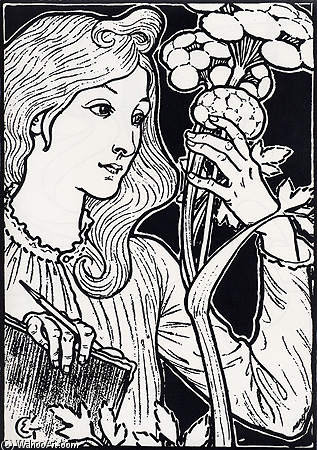
Poster Study

Eugène Grasset (1845-1917): Pionier Art Nouveau i sztuki dekoracyjnej. Odkryj jego ikoniczne plakaty, meble oraz wpływ na sztukę początku XX wieku. Szwajcarski artysta znany z motywów kwiatowych i estetyki japońskiej.

Kup wysokiej rozdzielczości, ulepszony obraz cyfrowy, znacznie lepszy niż podgląd online.

Każdy plik jest starannie przygotowywany przez naszych specjalistów przy użyciu zaawansowanych narzędzi oraz profesjonalnej, ręcznej retuszy. Dbamy o to, aby każdy obraz cechował się wyjątkową ostrością, precyzyjnym odwzorowaniem kolorów i subtelnymi detalami.

Ostateczny plik dostarczany jest drogą mailową w ciągu 72 godzin, zoptymalizowany do natychmiastowego wykorzystania w profesjonalnych zastosowaniach redakcyjnych i poligraficznych. To ta sama jakość, której ufają czołowe studia projektowe, wydawnictwa oraz galerie sztuki.

Obraz cyfrowy

Pobierz plik o wysokiej rozdzielczości do osobistego wyświetlania, druku oraz projektów kreatywnych.

Suma do zapłaty

$9.99

Zawarte w każdym zamówieniu na obraz cyfrowy

Profesjonalna dostawa cyfrowa, gwarantowana

Wybierając WahooArt.com, nie otrzymujesz jedynie obrazu – otrzymujesz profesjonalnie udoskonalone cyfrowe dzieło sztuki, stworzone z najwyższą precyzją i objęte gwarancją satysfakcji. Oto wszystko, co automatycznie dołączane jest do Twojego zamówienia:

shipping_icon
Błyskawiczna wysyłka e-mailowa

Plik z obrazem cyfrowym w wysokiej rozdzielczości zostanie przesłany na Twój adres e-mail w ciągu 72 godzin od złożenia zamówienia – gotowy do natychmiastowego użycia.

canvas_icon
Plik cyfrowy wzbogacony przez AI

Twoja grafika została profesjonalnie zoptymalizowana przy użyciu zaawansowanych narzędzi AI oraz ręcznej edycji, co zapewnia maksymalną szczegółowość, klarowność i wierność kolorów.

insurance_icon
Dożywotnia darmowa ponowna dostawa

Przypadkowo usunąłeś lub zgubiłeś swój plik? Bez obaw – prześlemy go Tobie ponownie w dowolnym momencie, bez żadnych opłat.

tax_icon
Bez opłat importowych – zawsze

Ciesz się swoją sztuką natychmiast, bez żadnych opłat celnych, należności ani kosztów dostawy – pliki cyfrowe są zawsze wolne od podatku.

color_icon
Gwarancja wierności kolorów

Dzięki zastosowaniu profesjonalnych narzędzi i procesów zarządzania barwą zapewniamy, że Twoje cyfrowe zdjęcie odzwierciedla oryginalne kolory tak wiernie, jak to tylko możliwe.

return_icon
60-dniowa gwarancja satysfakcji

Jeśli nie będziesz zadowolony ze swojego cyfrowego obrazu, poprawimy go lub zwrócimy 100% kosztów w ciągu 60 dni – bez żadnych pytań.

guarantee_icon
100% Gwarancja zwrotu pieniędzy

Nie zadowoleni? Otrzymaj pełny zwrot kosztów w ciągu 60 dni od otrzymania pliku cyfrowego – bez zbędnych pytań.

discount_icon
Rabaty na zamówienia hurtowe

Kup 3 obrazy, oszczędź 10% - Kup 5, oszczędź 15% - Kup 10+, oszczędź 20%. Idealne do projektów kreatywnych, galerii i agencji.


Biografia artysty

A Pioneer of Art Nouveau: The Life and Legacy of Eugène Samuel Grasset

Eugène Samuel Grasset, born in Lausanne, Switzerland on May 25th, 1845 (though some sources cite 1841), emerged as a pivotal figure bridging the gap between traditional craftsmanship and the burgeoning aesthetic of Art Nouveau. His journey began within an artistic household; his father, a skilled cabinet designer and sculptor, instilled in young Eugène both a practical understanding of materials and a deep appreciation for creative expression. This early exposure fostered a sensitivity to form and detail that would become hallmarks of Grasset’s distinctive style. Initial studies under François-Louis David Bocion honed his drawing skills, but it was a subsequent foray into architectural studies in Zurich that broadened his artistic horizons, though ultimately proved insufficient to contain his burgeoning creativity. A transformative experience followed – a voyage to Egypt after completing his formal education. This journey ignited a lifelong fascination with exoticism and ancient design principles, profoundly influencing the decorative motifs that would later define his work. Equally significant was his growing admiration for Japanese art, particularly its emphasis on flowing lines, flattened perspectives, and harmonious compositions—elements he masterfully integrated into his own unique visual language.

From Diverse Crafts to Defining a Style

By 1869-1870, Grasset had established himself as both a painter and sculptor in Lausanne, but the allure of Paris proved irresistible. In 1871, he relocated to France, embarking on an extraordinarily diverse career that encompassed furniture design, fabric creation, tapestry weaving, ceramic artistry, and jewelry making. These weren’t merely exercises in applied arts; Grasset elevated them to high art, employing luxurious materials like ivory and gold with a meticulous attention to detail and innovative combinations of textures and forms. His creations quickly became foundational elements of the Art Nouveau movement, embodying its organic aesthetic and rejection of rigid academic conventions. Grasset's style is instantly recognizable for its graceful, flowing lines, inspired by natural forms—particularly floral motifs—and a remarkable synthesis of historical influences. He didn’t simply imitate these sources; rather, he skillfully blended Gothic art’s intricate detailing with the elegant simplicity of Japanese aesthetics, forging a distinctive visual vocabulary that resonated with the spirit of the age. This ability to harmonize disparate elements was central to his success and cemented his position as a leading innovator in decorative design.

The Rise of a Graphic Master

In 1877, Grasset turned his attention towards graphic design, initially focusing on postcards before expanding into the realm of postage stamps for both France and Switzerland. It was, however, in the field of poster art that he truly excelled. He rapidly gained recognition as a master of the medium, producing lithographs that were not only visually stunning but also remarkably effective in communicating their message. His *Jeanne d'Arc Sarah Bernhardt* poster became one of his most celebrated works, earning inclusion in the prestigious *Maîtres de l’Affiche* series—a testament to its artistic merit and widespread acclaim. Yet, perhaps his most enduring legacy is the “Semeuse,” a captivating figure scattering dandelion seeds, created in 1890 for the dictionary publishers Éditions Larousse. This iconic design, symbolizing the dissemination of knowledge, remains in use today, a powerful demonstration of Grasset’s lasting impact on visual culture. His talent extended beyond France; during the 1880s and 1890s, he received commissions from American companies, further solidifying his international reputation. He designed the Christmas cover for *Harper's Magazine* in 1892 and contributed illustrations—*The Wooly Horse* and *The Sun of Austerlitz*—to *Century Magazine* in 1894, accompanying a serialized story about Napoleon Bonaparte. Notably, *The Wooly Horse* proved so popular that it was recreated in stained glass by Louis Comfort Tiffany, highlighting the cross-pollination of artistic ideas during this period.

Educator and Enduring Influence

Beyond his prolific creative output, Grasset dedicated himself to education, believing strongly in nurturing the next generation of artists and designers. He taught at several prominent Parisian institutions—École Guérin (1890–1903), École d’art graphique (1903–1904), Académie de la Grande Chaumière (1904–1913)—imparting his knowledge and inspiring countless students. Among his notable pupils were Paul Berthon, Georges Bourgeot, Augusto Giacometti, and Arsène Herbinier, all of whom went on to achieve significant success in their own right. His unwavering commitment to artistic excellence ensured that Grasset’s stylistic innovations would continue to inspire artists for decades to come. Grasset's ability to synthesize diverse influences into a cohesive and original style remains remarkably relevant; he wasn’t merely decorating; he was crafting a new visual language, one that celebrated beauty, nature, and the power of artistic expression. He is rightfully remembered as a pivotal figure in the Art Nouveau movement, a visionary who seamlessly blended tradition with innovation and whose work continues to resonate with audiences today. His innovative use of floral motifs, Japanese influences, and historical references—particularly Gothic art’s intricate detailing—served as a counterpoint to the increasing mechanization of industrial production. His legacy extends far beyond his artistic creations, demonstrating that beautiful objects could also be functional and accessible.
Eugène Samuel Grasset

Eugène Samuel Grasset

1845 - 1917 , Szwajcaria

Krótka nota

  • Artistic Movement Or Style: Art Nouveau
  • Artists Or Movements Influenced By This Artist: ['Art Nouveau projektanci']
  • Artists Who Influenced This Artist:
    • Viollet le Duc
    • Japońska sztuka
  • Date Of Birth: Maj 25, 1845
  • Date Of Death: Październik 23, 1917
  • Full Name: Eugène Samuel Grasset
  • Nationality: Szwajcarsko-Francuski
  • Notable Artworks:
    • Jeanne d'Arc Sarah Bernhardt
    • Semeuse (the sower)
    • Kwieciec
  • Place Of Birth: Lausanne, Szwajcaria