Zobacz w skali 1:1 Zobacz w AR Przełącz na wersję drukowaną Kup ręcznie malowany obraz Wyślij
Szczegóły Przewodnik Dodaj do ulubionych Pobierz plik obrazu Podobne obiekty RTG Pokaz slajdów Statystyki

untitled (6969)

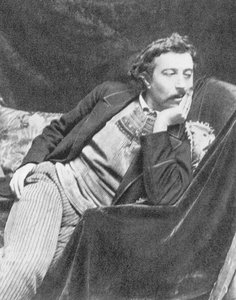
Explore Paul Gauguin’s "untitled (6969)", a captivating Post-Impressionist portrait brimming with texture & emotion. Discover its symbolic depth & unique style – perfect for art enthusiasts.

Paul Gauguin: rewolucyjny malarz postimpresjonistyczny znany z jaskrawych kolorów, egzotycznych tematów i symbolizmu. Odkryj jego podróż od finansów do legendy sztuki!

Kup wysokiej rozdzielczości, ulepszony obraz cyfrowy o jakości znacznie przewyższającej podgląd online.

Każdy plik jest starannie przygotowywany przez naszych specjalistów przy użyciu zaawansowanych narzędzi oraz profesjonalnej, ręcznej retuszy. Dbamy o to, aby każdy obraz cechował się wyjątkową ostrością, precyzyjnym odwzorowaniem kolorów i subtelnymi detalami.

Ostateczny plik dostarczany jest drogą mailową w ciągu 72 godzin, zoptymalizowany do natychmiastowego wykorzystania w profesjonalnych zastosowaniach redakcyjnych i poligraficznych. To ta sama jakość, której ufają czołowe studia projektowe, wydawnictwa oraz galerie sztuki.

Obraz cyfrowy

Pobierz plik o wysokiej rozdzielczości do osobistego użytku, druku oraz projektów kreatywnych. ( Przełącz na wersję drukowaną Kup ręcznie malowany obraz)

Cena całkowita

$ 24,90

W każdym zamówieniu na obraz cyfrowy znajduje się

Profesjonalna dostawa cyfrowa z gwarancją

Wybierając WahooArt.com, nie otrzymujesz jedynie obrazu – otrzymujesz profesjonalnie udoskonalone cyfrowe dzieło sztuki, stworzone z najwyższą precyzją i objęte gwarancją satysfakcji. Oto wszystko, co automatycznie dołączane jest do Twojego zamówienia:

shipping_icon
Błyskawiczna dostawa e-mailowa

Plik z obrazem cyfrowym w wysokiej rozdzielczości zostanie przesłany na Twój adres e-mail w ciągu 72 godzin od złożenia zamówienia – gotowy do natychmiastowego użycia.

canvas_icon
Plik cyfrowy ulepszony przez AI

Twoja grafika została profesjonalnie zoptymalizowana przy użyciu zaawansowanych narzędzi AI oraz ręcznej edycji, co zapewnia maksymalną szczegółowość, klarowność i wierność kolorów.

insurance_icon
Bezpłatna dożywotnia ponowna dostawa

Przypadkowo usunąłeś lub zgubiłeś swój plik? Bez obaw – prześlemy go Tobie ponownie w dowolnym momencie, bez żadnych opłat.

tax_icon
Bez opłat importowych – zawsze

Ciesz się swoją sztuką natychmiast, bez żadnych opłat celnych, należności ani kosztów dostawy – pliki cyfrowe są zawsze wolne od podatku.

color_icon
Gwarancja odwzorowania kolorów

Dzięki zastosowaniu profesjonalnych narzędzi i procesów zarządzania barwą zapewniamy, że Twoje cyfrowe zdjęcie odzwierciedla oryginalne kolory tak wiernie, jak to tylko możliwe.

return_icon
100 dni na satysfakcję

Jeśli nie będziesz zadowolony ze swojego cyfrowego obrazu, poprawimy go lub zwrócimy 100% kosztów w ciągu 100 dni – bez zbędnych pytań.

guarantee_icon
100% Gwarancja zwrotu pieniędzy

Nie jesteś zadowolony? Otrzymaj pełny zwrot kosztów w ciągu 100 dni od otrzymania pliku cyfrowego – bez zbędnych pytań.

discount_icon
Rabaty przy zamówieniach hurtowych

Kup 3 obrazy, oszczędź 10% - Kup 5, oszczędź 15% - Kup 10+, oszczędź 20%. Idealne do projektów kreatywnych, galerii i agencji.

Kluczowe informacje

  • subject: portrait of a man
  • influences: Paul Cézanne, Vincent van Gogh
  • title: untitled (6969)
  • style: Emotional Expressionism
  • artist: Paul Gauguin
  • movement: Post-Impressionism, Symbolism

Quiz wiedzy o sztuce

Do każdego pytania dotyczy tylko jedna poprawna odpowiedź.

Pytanie 1:
Paul Gauguin is most closely associated with which artistic movement?
Pytanie 2:
The painting's technique of applying paint thickly to the canvas, creating a textured surface, is known as:
Pytanie 3:
Which artists are specifically mentioned as influences on Gauguin's style in the provided information?
Pytanie 4:
The overall mood or feeling evoked by the painting, as described, is one of:

A Moment of Introspection: Exploring Gauguin’s “untitled (6969)”

This captivating portrait by Paul Gauguin offers a compelling glimpse into the artist's evolving style and enduring fascination with the human condition. Painted sometime during his prolific career, “untitled (6969)” is a masterful example of Post-Impressionist painting, revealing influences from both Cézanne’s structural approach and Van Gogh’s expressive use of color.

Subject & Composition

The artwork centers on a solitary male figure depicted from the waist up within a modestly furnished interior. The subject's gaze is inward, suggesting deep contemplation. He holds a small object – perhaps a pencil or tool – in his hands, hinting at creative pursuits or manual labor. Gauguin deliberately simplifies the composition, focusing attention on the man’s face and upper body. Rough wooden planks and a muted green wall form the backdrop, creating an atmosphere of humble authenticity. The lack of elaborate detail directs our focus to the emotional weight carried by the figure.

Style & Technique: A Synthesis of Influences

Gauguin’s distinctive style is immediately apparent in this work. He moves beyond purely representational painting, prioritizing emotional expression and symbolic meaning over photographic accuracy. The application of paint is notably *impasto* – thick layers are built up on the canvas, creating a rich texture that invites tactile engagement. Loose, gestural brushstrokes define form through color and tone rather than precise outlines. This technique, combined with flattened perspective, contributes to the painting’s intensity and emotional resonance. The artist's bold use of color, though subdued in this particular piece, foreshadows his later, more vibrant works from Tahiti.

Historical Context & Gauguin’s Artistic Journey

Born in Paris in 1848, Paul Gauguin initially pursued a career in finance before dedicating himself to art. He was briefly associated with the Impressionists, notably Camille Pissarro, but quickly diverged from their focus on capturing fleeting moments of light and atmosphere. Gauguin sought something deeper – a way to express *subjective* experience and explore symbolic themes. This pursuit led him to develop Synthetism and Cloisonnism, movements that emphasized simplified forms and bold color planes. “untitled (6969)” represents a transitional phase in his artistic development, bridging the gap between Impressionism and his later, more radical explorations of Symbolism.

Symbolism & Emotional Impact

The painting evokes themes of introspection, creativity, and perhaps a touch of melancholy. The subdued lighting and the subject’s pensive expression create an atmosphere of quiet solitude. The simple setting suggests a life lived close to essentials, free from superficial distractions. The object held in his hands could symbolize artistic potential or the dignity of labor. Gauguin often used his figures as vehicles for exploring universal human experiences – loneliness, longing, and the search for meaning.

For Collectors & Interior Designers

“untitled (6969)” is a powerful work that would add depth and sophistication to any art collection or interior space. Its muted palette and expressive brushwork complement a variety of décor styles, from traditional to contemporary. A high-quality reproduction captures the texture and emotional intensity of the original, offering an accessible way to experience Gauguin’s artistic vision. This piece invites viewers to pause, reflect, and connect with the enduring power of human emotion – making it a truly captivating addition to any environment.

Biografia artysty

Eugène Henri Paul Gauguin: A Revolutionary Journey Through Color and Spirit

Eugène Henri Paul Gauguin, a name synonymous with vibrant color, rebellious spirit, and a profound shift in the landscape of modern art, stands as one of the most influential figures of the late 19th and early 20th centuries. Born in Paris in 1848, his life was anything but conventional—a tapestry woven from unexpected threads of aristocratic heritage, financial ambition, and an unwavering pursuit of artistic authenticity. Gauguin’s journey wasn't merely a career change; it represented a fundamental transformation of worldview, a rejection of the constraints of European society in favor of exploring alternative cultures and expressing deeply personal emotions through his art.

From Parisian Stockbroker to Bohemian Artist

Gauguin’s early years were shaped by an unusual upbringing. His father, a journalist known for his radical views, and his mother, descended from Peruvian aristocracy—her grandmother, Flora Tristan, a pioneering feminist and socialist writer— instilled in him a unique perspective that would profoundly influence his artistic vision. This heritage fostered a lifelong fascination with cultures beyond the confines of Europe, fueling a desire to find truth and beauty in places untouched by Western conventions. After receiving a formal education, Gauguin unexpectedly found himself drawn to the burgeoning world of finance, becoming a stockbroker—a profession seemingly at odds with the creative aspirations simmering within him. However, this period proved to be a crucial testing ground, exposing him to the pressures and disappointments of bourgeois society, ultimately pushing him towards a radical departure. The financial crisis of 1882 served as a catalyst, forcing him to abandon his lucrative career and wholeheartedly embrace the artistic calling he had long suppressed. This wasn’t simply a profession change; it was a complete reimagining of his life's purpose. He sought guidance from Camille Pissarro, who recognized his potential and introduced him to the avant-garde circles of Paris, but Gauguin quickly surpassed Impressionism, yearning for something more—a means of conveying not just what he *saw*, but what he *felt*.

The Allure of Brittany and the Seeds of Tahiti

Initially influenced by the Impressionists’ exploration of light and color, Gauguin soon grew frustrated with their focus on capturing fleeting moments of reality. He sought a deeper connection to his subjects, a way to express universal truths through symbolic imagery. This led him to Brittany, where he spent several years immersing himself in the rugged landscapes and deeply rooted traditions of its people. During this period, he began experimenting with flattened forms, bold outlines, and a simplification of composition—techniques that moved him further away from naturalism and closer to a more expressive style. He was particularly captivated by Breton folklore and mythology, incorporating elements of these stories into his paintings. This exploration laid the groundwork for his future journey to Tahiti, where he hoped to find inspiration in Polynesian culture.

Tahitian Dreams: A Quest for Authenticity

In 1891, Gauguin embarked on a transformative voyage to Tahiti, seeking refuge from the perceived superficiality of European society and hoping to discover a more authentic way of life. This wasn’t merely a vacation; it was a deliberate attempt to immerse himself in a culture untouched by Western influence. He meticulously documented his experiences through painting, depicting Polynesian women, landscapes, and religious practices with an intensity that bordered on obsession. His use of color became increasingly bold and non-naturalistic, serving not to replicate reality but to express emotion and spiritual meaning. Iconic paintings like “Vahine no te miti” (Woman with Mango), “Manao Tupapau” (Watched by the Spirit of the Dead), and “The Day of Gods emerged from this period, solidifying his reputation as a visionary artist. However, Gauguin’s time in Tahiti was not without its complexities. His relationships with young Polynesian women sparked controversy and raised ethical questions that continue to be debated today.

Symbolism, Synthetism, and the Legacy of a Rebel

Gauguin's artistic style evolved throughout his career, encompassing elements of Symbolism, Synthetism, and Post-Impressionism. He rejected traditional academic painting techniques, favoring bold colors, simplified forms, and flattened perspectives—techniques that challenged conventional notions of representation. His work is characterized by a sense of mystery and emotional intensity, often conveying themes of spirituality, death, and the search for meaning. Gauguin’s influence extended far beyond his own lifetime, inspiring generations of artists to break free from established conventions and explore new ways of expressing themselves. Artists such as Pablo Picasso, Henri Matisse, and countless others owe a debt to his pioneering spirit and innovative approach to art. Despite facing financial difficulties and declining health during his time in Tahiti and later on the Marquesas Islands, Gauguin remained relentlessly dedicated to his artistic vision. He died in 1903 on Hiva Oa, a remote island in the Marquesas archipelago, largely unrecognized for his genius—a tragic irony considering the profound impact of his work. Today, Paul Gauguin is celebrated as a revolutionary artist who fundamentally altered the course of modern art, leaving behind a legacy that continues to captivate and inspire.

Key Artistic Characteristics

  • Bold Color Palette: Employed vibrant, non-naturalistic colors to express emotion and symbolism.
  • Simplified Forms: Reduced forms to their essential elements, creating a sense of abstraction.
  • Flattened Perspective: Challenged traditional perspective by flattening the picture plane.
  • Symbolic Imagery: Used recurring motifs and symbols to convey deeper meanings.
  • Influence of Japanese Prints (Japonisme): Incorporated elements of Japanese art, such as flattened perspectives and decorative patterns.

Paul Gauguin

Paul Gauguin

1848 - 1903 , Francja

Najważniejsze informacje

  • Artistic Movement Or Style: Postimpresjonizm, Symbolizm
  • Artists Or Movements Influenced By This Artist:
    • Pablo Picasso
    • Henri Matisse
  • Artists Who Influenced This Artist: ['Camille Pissarro']
  • Date Of Birth: 7 czerwca 1848
  • Date Of Death: 8 maja 1903
  • Full Name: Eugène Henri Paul Gauguin
  • Nationality: Francuz
  • Notable Artworks:
    • Kiedy się pobierzesz
    • Dwie kobiety na plaży
    • Krajobraz
  • Place Of Birth: Paryż, Francja