Życie i sztuka El Lissitzky
Urodzony 23 listopada 1890 roku jako Lazar Markowicz Lissitzky, człowiek, który stał się znany jako El Lissitzky, wkroczył w świat cichej tradycji w Pochinoku. Ta mała żydowska społeczność leżała około 50 kilometrów na południowy wschód od Smoleńska w Imperium Rosyjskim. Jego ojciec, Morduch Zalmanowicz Lissitzky, był człowiekiem listów i podróży, wykształconym agentem, który przemierzał świat, biegle posługując się językiem angielskim i niemieckim. Ta lingwistyczna szerokość oraz powiązania rodziny z szerszym europejskim krajobrazem miały ostatecznie odzwierciedlić ekspansywną, niespokojną energię samego artysty. Niezależnie od tego, czy nazywano go Elizar Lissitzky, czy Lasar Markowitsch Lissitzky, był postacią o ogromnej różnorodności, odmawiającą zamknięcia w ramach jednego medium czy jednego celu.
Jego twórczość była czymś ogromnym i nieustannym w swoim ruchu. Był malarzem i ilustratorem, ale pracował również jako projektant, grafik i fotograf. Jego umysł skłaniał się ku temu, co strukturalne, co prowadziło go w sfery architektury i precyzyjnych wymagań typografii. Był człowiekiem nowej ery, rosyjskim i radzieckim artystą, który pragnął zbudować coś namacalnego z abstrakcyjnych idei swoich czasów. Jego życie było nieustannym ruchem między rolami intelektualnego odkrywcy a praktycznego rzemieślnika – dualizmem, który zdefiniował jego liczne wkład w język wizualny dwudziestego wieku.
Wczesne lata, rodzina i edukacja
Fundamenty jego życia zostały położone w małej rosyjskiej miejscowości Pochinok, jednak wczesne lata upłynęły mu w nieustannym ruchu. W latach 1891–1898 jego rodzina mieszkała w Witebsku – miejscu, które w przyszłości wywarło głęboki wpływ na jego rozumienie tożsamości kulturowej. Do 1899 roku przeniósł się do Smoleńska, aby zamieszkać z dziadkiem, gdzie uczęszczał do Szkoły Miejskiej nr 1. To właśnie w tych formacyjnych latach jego wrodzony talent spotkał się po raz pierwszy z formalnym przewodnictwem; w wieku 13 lat zaczął pobierać nauki u Jurija Pena, nauczyciela, który dostrzegł ogromny potencjał w młodym uczniu.
Ambicja często napotyka opór sztywnych systemów. W 1909 roku starał się o przyjęcie do Akademii Sztuk Pięknych w Petersburgu, lecz jego aplikacja została odrzucona. Odmowa ta była najprawdopodobniej wynikiem restrykcyjnych kwot żydowskich narzuconych przez reżim carski – bariery, która odciągnęła jego ścieżkę od tradycyjnych rosyjskich akademii. Zamiast jednak ulec temu niepowodzeniu, skierował swój wzrok ku Niemcom. Zapisał się do Politechniki w Darmstadt, aby studiować inżynierię architektoniczną, dyscyplinę, która na zawsze nadała strukturalną logikę jego późniejszym eksperymentom wizualnym. Spędził tam pięć lat, pracując jako murarz, aby utrzymać się na powierzchni, a podczas wakacji odwiedzał lokalne żydowskie miejsca historyczne, studiując ich formy i zdobienia.
Czas spędzony w Niemczech definiowany był przez akademicki rygor i głębokie zaangażowanie w świat fizyczny. Nie ograniczał się jedynie do studiowania teorii; zanurzył się w praktycznych aspektach budownictwa i projektowania. Ten okres intensywnego szkolenia zakończył się w 1914 roku, kiedy to ukończył Politechnikę w Darmstadt z wyróżnieniem. Do Rosji powrócił nie tylko jako student sztuki, ale jako wykształcony inżynier, niosąc ze sobą precyzyjne zrozumienie przestrzeni i struktury, które ostatecznie przedefiniowało granice nowoczesnego designu.
Okres suprematystyczny i UNovis
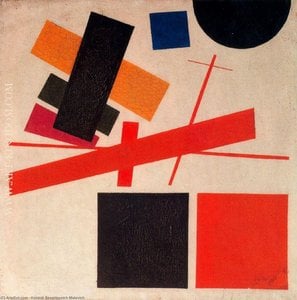
Trajektoria jego twórczego życia uległa głębokiej zmianie, gdy na jego drodze stanął Kazimir Malevich. To spotkanie wciągnęło go w orbitę suprematyzmu – ruchu, który dążył do odarcia sztuki ze wszelkich ciężarów przedstawieniowych. W 1919 roku otrzymał zaproszenie od Marca Chagalla, który poprosił go o dołączenie do kadry nauczycielskiej w Witebskiej Ludowej Szkole Sztuki. To właśnie w tym środowisku edukacyjnym stał się członkiem suprematystycznej grupy UNovis, czyli Twórców Nowej Sztuki. Nie ograniczał się jednak do podążania wydeptanymi ścieżkami swoich rówieśników; zamiast tego dążył do przesunięcia samych granic tego, co mogą osiągnąć czyste, geometryczne formy.
Zaczął tworzyć unikalną serię prac, które nazwał Proun – termin ten wywodzi się z rosyjskiego zwrotu proyekt utverzhdenya novogo, oznaczającego projekt potwierdzenia nowego. Nie były to zwykłe obrazy, lecz raczej fascynujące studia nad tym, jak przestrzeń i forma mogą ze sobą współgrać. Pierwszy Proun stworzył już w 1919 roku, co zapoczątkowało okres, w którym mistrzowsko łączył zasady sztuk graficznych z myślą architektoniczną. Jego twórczość w tych latach ewoluowała, odchodząc od płaskich płaszczyzın czystej abstrakcji w stronę bardziej złożonego, trójwymiarowego rozumienia świata.
Konstruktywizm i zaangażowanie społeczne
Do 1920 roku Lissitzky wykroczył poza czysto duchowe poszukiwania swoich wczesnych lat, by objąć uporządkowaną, celową energię konstruktywizmu. Dążył do przekształcenia artysty z samotnego marzyciela w aktywnego agenta zmian – koncepcję, którą rozumiał jako das zielbewußte Schaffen, czyli tworzenie ukierunkowane na cel. To głębokie przekonanie wciągnęło go w samo serce radzieckiego systemu edukacji, gdzie wykładał w technicznej szkole Vkhutemas u boku Włodimira Tatlina. W tym miejscu punkt ciężkości przesunął się w stronę pytania, w jaki sposób sztuka może funkcjonować w nowoczesnym, przemysłowym społeczeństwie, przenosząc się z płaszczyzny płótna w sferę praktycznej, społecznej użyteczności.
Jego twórczość stała się nierozerwalnie spleciona z politycznym tętnem epoki. Poświęcił ogromną część swojej energii projektowaniu wystaw oraz pracom propagandowym, które miały komunikować ideały nowego państwa. W jednym z uderzających przykładów, w 1941 roku, stworzył plakat wzywający lud do budowy większej liczby czołgów w walce z nazistowskimi Niemcami. Nawet w jego wcześniejszych, bardziej abstrakcyjnych kompozycjach, podtekst polityczny był często wyraźnie czytelny. Jego dzieło z 1920 roku, Zmiażdż białych czerwoną klinem, wykorzystywało ostre, geometryczne formy, aby nawiązać do napięć tamtych czasów, oferując wizualną grę z antysemickim hasłem w celu wsparcia rewolucyjnej sprawy.
- Zmiażdż białych czerwoną klinem (1920)
- Radziecki plakat propagandowy dotyczący budowy czołgów (1941)
Technika i Styl
Twórczość El Lissitzky’ego oscylowała między inżynierską precyzją a malarską intuicją. Artysta dążył do zasypania przepaści dzielącej świat fizyczny od abstrakcji, nieustannie badając, w jaki sposób technologia i ludzkie doświadczenie mogą przenikać się poprzez formę wizualną. Najpełniej objawiało się to w jego cyklach Proun, które stanowiły złożoną fuzję sztuk graficznych, form architektonicznych, fotografii i malarstwa. Kompozycje te nie były jedynie statycznymi obrazami, lecz głębokimi studiami nad przestrzenią i strukturą. Aby osiągnąć zamierzone efekty, często sięgał po litografię – technikę pozwalającą na tworzenie trwałych odbitek oraz szerokiej gamy wariacji tonalnych, które nadawały jego geometrycznym kształtom niezwykłe poczucie głębi i ciężaru.
Jego podejście do projektowania charakteryzowało się nieustannym eksperymentowaniem z technikami produkcyjnymi i środkami wyrazu, które ostatecznie zdefiniowały język wizualny XX wieku. Wniósł świeże, nowatorskie spojrzenie do typografii, projektowania książek oraz fotomontażu, traktując stronę drukowaną niczym przestrzeń dla konstrukcji architektonicznej. Nawet gdy w pełni oddawał się radykalnej geometrii awangardy, jego praca pozostawała subtelnie zakorzeniona w tradycji, wplatając elementy tradycyjnej żydowskiej typografii, sztuki i architektury w nowoczesne kompozycje. To unikalne połączenie tego, co starożytne, z tym, co industrialne, pozwoliło mu poruszać się w napięciu między pamięcią kulturową a gwałtownym tempem zmieniającego się społeczeństwa.
Międzynarodowa aktywność i wymiana kulturowa
Granice rosyjskiej awangardy nie były w stanie okiełznać jego niespokojnego ducha. W latach 1921–1925 wędrował przez samo serce Europy, przemierzając Paryż, Belgię, Włochy oraz Szwajcarię. Podczas tych lat spędzonych na obczyźnie pełnił rolę kulturalnego ambasadora Republiki Weimarskiej, niosąc radykalne idee swojej ojczyzny na Zachód. Nie ograniczał się jedynie do obserwacji tych obcych krajobrazów; aktywnie kształtował ich wizualny dyskurs, przyczyniając się do powstawania magazynów artystycznych i wydając książki, które rzucały wyzwanie tradycyjnym sposobom patrzenia na świat. Jego obecność w tych intelektualnych centrach sprawiła, że energia rewolucji była odczuwalna daleko poza granicami Związku Radzieckiego.
Jego działalność w Berlinie miała szczególne znaczenie. W 1922 roku zaprojektował wystawę konstruktywistów w Galerie van Diemen, co było przedsięwzięciem, które wprowadziło strukturalną logikę jego ruchu do nowej publiczności. Ten okres intensywnej wymiany był naznaczony współpracami, które łączyły odmienne kręgi artystyczne. W 1924 roku współpracował z Kurtem Schwittersem nad periodykiem Merz – partnerstwo to połączyło różne podejścia do projektowania graficznego i kompozycji. Dzięki tym kontaktom jego wpływ zaczął rozprzestrzeniać się jeszcze dalej. Spotkał Lászlo Moholy-Nagy’ego, co okazało się spotkaniem kluczowym, gdyż Moholy-Nagy pomógł przenieść jego koncepcje przez Europę Zachodnią aż do Stanów Zjednoczonych, zapewniając, że idee te zapuszczą korzenie w rozkwitającym modernizmie Zachodu.
Późne lata i śmierć
Ostatnie lata życia, które prowadził El Lissitzky, naznaczone zostały ciężkimi cieniami globalnego konfliktu oraz osobistą słabością. Gdy świat pogrążał się w chaosie wojny, jego myśli pozostawały nierozerwalnie związane z rzeczywistościami społecznymi i politycznymi jego czasów. Nawet gdy zdrowie zaczęło zawodzić, nie przestawał tworzyć dzieł odpowiadających na palące potrzeby państwa. W 1941 roku stworzył radziecki plakat propagandowy, wzywający do budowy kolejnych czołgów w celu walki z nazistowską inwazją na Rosję. Ten ostatni wysiłek był odzwierciedleniem jego głębokiego przekonania o praktycznym zastosowaniu sztuki, nawet w obliczu sytuacji, gdy same struktury społeczne, które tak usilnie starał się projektować na nowo, były zagrożone przez niszczycielską siłę wojny.
Walka z chorobą ostatecznie odniosła swoje żniwo. El Lissitzky zmarł na gruźlicę w Moskwie 30 grudnia 1941 roku. W chwili odejścia miał 51 lat. Jego śmierć nastąpiła krótko po inwazji na jego kraj, w okresie ogromnych niepokojów, które zbiegły się w czasie z końcem jego twórczości artystycznej. Pozostawił po sobie dziedzictwo designu i abstrakcji, które zdążyło już przekroczyć wiele granic, lecz jego własne życie zostało przerwane przez tragiczne sploty sił biologicznych i historycznych.
Dziedzictwo i nieprzemijający wpływ
Fale jego twórczej energii rozeszły się daleko poza granice Związku Radzieckiego, dotykając samych fundamentów Bauhausu oraz ruchów konstruktywistycznych. El Lissitzky nie tylko malował; on na nowo wyobraził sobie sposób, w jaki człowiek wchodzi w interakcję z otaczającą go przestrzenią oraz z przekazami, które konsumuje. Jego eksperymenty z typografią i reklamą przekształciły sposób strukturyzowania informacji, zmieniając drukowaną stronę w dynamiczne pole sił. Poprzez swoje projekty wystawiennicze uczył widzów, że otoczenie może być ustrukturyzowanym doświadczeniem, a nie tylko statycznym zbiorem przedmiotów.
Ta wizja sztuki jako narzędzia transformacji społecznej i wizualnej wciąż kształtuje nasze dzisiejsze rozumienie komunikacji. Jego zdolność do budowania mostów między abstrakcją a funkcjonalnością pozostawiła wzorzec dla pokoleń projektantów. Aby zadbać o zachowanie tej historii w nienaruszonym stanie, w 2014 roku przez spadkobierców artysty, muzeum Van Abbemuseum oraz licznych badaczy powołano Fundację Lissitzky’ego. Dzięki tym staraniom jego złożona historia pozostaje żywa, a badania nad formą i przestrzenią są wciąż dostępne dla tych, którzy zgłębiają ewolucję nowoczesnego designu.
Gdzie dziś można podziwiać jego dzieła
Fizyczne ślady jego wizji są rozproszone na wielu kontynentach, zgromadzone w instytucjach, które pragnęły zachować radykalną energię wczesnego dwudziestego wieku. W Lizbonie Museu Coleção Berardo posiada znaczący zbiór jego twórczości, przechowując sześć jego dzieł. Po drugiej stronie Atlantyku kolekcje w Nowym Jorku oferują dwa odrębne sposoby na spotkanie z jego dziedzictwem; Museum of Modern Art posiada dwa obiekty, podczas gdy The Jewish Museum skrywa pięć. Prace te pozwalają widzowi dostrzec ewolucję jego graficznego i abstrakcyjnego języka w kontekście najważniejszych międzynarodowych kolekcji.
Jego wpływ pozostaje zakotwiczony również w Europie i Rosji. Museum Folkwang w Essen przechowuje jedno dzieło, będące cichym przypomnieniem o jego oddziaływaniu na niemiecki krajobraz artystyczny. W Rosji jego obecność jest wyczuwalna w Taganrog Art Museum oraz w Novokuznetsk Art Museum, gdzie zachowano jego wkład w awangardę. Te różnorodne repozytoria sprawiają, że jego eksperymenty z przestrzenią i formą są wciąż przedmiotem studiów osób tropiących historię nowoczesnego designu.


 Podgląd w skali 1:1
 Wyślij jako kartkę
 Udostępnij
 Szczegóły dzieła
 Przewodnik

 Pobierz obraz
 Podobne obiekty
 RTG
RTG Pokaz slajdów
 Pytania i odpowiedzi
 Statystyki


 Rozwiń treść
 Przełącz na wydania drukowane





































 Opcja ze szkłem jest dostępna wyłącznie w rozmiarach poniżej 110 cm