

Wydruki giclée lub płótna o jakości muzealnej, szybka realizacja i szeroki wybór opcji wykończenia. ( Zamów ręcznie malowaną reprodukcję Przejdź do wersji cyfrowej)





























Wybierz spośród naszych standardowych rozmiarów, które zachowują oryginalne proporcje dzieła sztuki.

Wpisz wymaganą szerokość i wysokość, aby dopasować grafikę do ramy lub ściany. Wydruk można jedynie przyciąć, nigdy nie powiększając go poza oryginalny obraz, dlatego format o innych proporcjach spowoduje utratę części kompozycji. Przed rozpoczęciem druku prześlemy Ci cyfrowy podgląd do zatwierdzenia. Obraz wyświetlany na tej stronie nie pokazuje rzeczywistego przycięcia — jedynie podgląd oddaje ten efekt.
Dostawa na cały świat () w ciągu 2 tygodni zamiast standardowych 4/5 tygodni. (22 Listopad)
Spring
Wymiary reprodukcji
Dwight William Tryon’s Spring, painted in 1893, is more than just a depiction of a season; it is an immersion into a state of profound tranquility. The canvas breathes with the soft promise of renewal, capturing that delicate moment when the earth shakes off the slumber of winter. One gazes upon this landscape and feels an immediate sense of peace wash over the spirit. Tryon masterfully renders a serene vista—a field gently rolling towards a distant treeline under a diffused, atmospheric sky. The composition guides the eye softly across planes of muted greens, warm browns, and nascent yellows, colors that speak eloquently of life returning to the world.
As an artist deeply rooted in the Tonalist tradition, Tryon possessed a unique gift for capturing light not as a harsh beam, but as a pervasive, enveloping atmosphere. His technique is characterized by delicate brushstrokes that build up color and mood rather than sharp outlines. The overall effect is one of soft focus, where shapes—the undulating grass, the clustered trees—are rendered with an almost dreamlike softness. While the subject matter celebrates spring's vibrancy, the execution leans into a subtle melancholy, suggesting the beautiful impermanence inherent in all natural cycles. This masterful handling of light and shadow gives the scene its depth, inviting contemplation.
The inclusion of two distant figures adds a vital human element to this pastoral tableau. They are subtle, almost spectral, yet they anchor the scale and suggest a shared journey or quiet companionship within nature’s embrace. Symbolically, Spring speaks volumes about transition itself—the passage from dormancy to bloom, from shadow to light. For the modern collector, owning this piece is acquiring not merely an object of art, but a tangible embodiment of hope and rebirth. It serves as a perennial reminder that even after the deepest quiet, beauty inevitably returns.
The soft, harmonious color palette—dominated by earth tones softened by yellow-gold accents—makes this painting incredibly versatile for interior design. Whether placed in a sunlit drawing room or a tranquil study, its gentle energy will complement sophisticated decor without overwhelming the space. The visible texture of the oil paint and the loose brushwork lend an immediate sense of history and artisanal quality to any setting. Reproductions allow art lovers and designers alike to bring this enduring vision of natural grace into their homes, making a statement that is both deeply personal and universally beautiful.
„Spring” – Dwight William Tryon należy do nurtu Tonalist, przypadającego na okres 19th Century. Razem nadają one dziełu jego miejsce w historii sztuki.
Poziom kontrastu dzieła „Spring” – Dwight William Tryon wynosi Serene.
„Spring” – Dwight William Tryon pochodzi z okresu 19th Century. Epoka ta stanowi kontekst historyczny dla tego dzieła.


1849 - 1925 , Stany Zjednoczone

Explore the technical mastery of Impressionist meadow landscapes and en plein air techniques. Discover the beauty of pastoral art today.

Explore the evocative world of Tonalism. Discover how masters like Whistler used soft light and muted palettes to craft profound atmosphere and mood in fine art history.
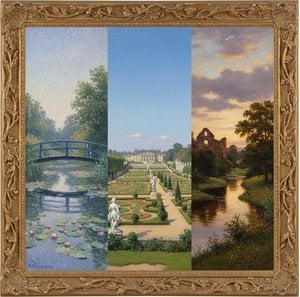
Embark on a visual journey through the serene beauty of gardens and parks in fine art. Discover how master artists capture nature's tranquility through impressionistic blooms and classical landscapes to bring timeless elegance into your home collection.

Explore the technical mastery of American Tonalism and its atmospheric light. Discover the secrets of this evocative art movement now.

Explore the technical mastery of Impressionist light and movement through expert analysis. Discover the secrets of the masters today.
 Podgląd w skali 1:1
 Wyślij jako kartkę
 Udostępnij
 Szczegóły dzieła
 Przewodnik

 Pobierz obraz
 Podobne obiekty
 RTG
RTG Pokaz slajdów
 Pytania i odpowiedzi
 Statystyki


 Rozwiń treść









 Opcja ze szkłem jest dostępna wyłącznie w rozmiarach poniżej 110 cm


