Zobacz w skali 1:1 Zobacz w AR Przełącz na wersję drukowaną Kup ręcznie malowany obraz Wyślij
Szczegóły Przewodnik Dodaj do ulubionych Pobierz plik obrazu Podobne obiekty RTG Pokaz slajdów Statystyki

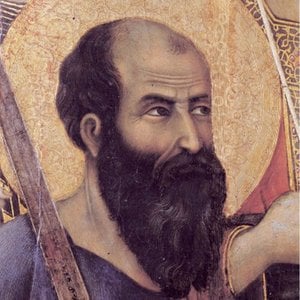
Flagellation

Discover Duccio di Buoninsegna's 'Flagellation' (1308), a stunning Renaissance fresco capturing emotional depth and religious significance. Hand-painted reproduction, 50x53 cm, perfect for art collectors and religious art enthusiasts.

Duccio di Buoninsegna (1255-1319) – włoski malarz, pionier Sieny. Jego monumentalne dzieła, takie jak Maestà, łączą tradycję bizantyńską z nowatorskim realizmem i emocjonalną głębią. Odkryj piękno średniowiecznej sztuki!

Kup wysokiej rozdzielczości, ulepszony obraz cyfrowy o jakości znacznie przewyższającej podgląd online.

Każdy plik jest starannie przygotowywany przez naszych specjalistów przy użyciu zaawansowanych narzędzi oraz profesjonalnej, ręcznej retuszy. Dbamy o to, aby każdy obraz cechował się wyjątkową ostrością, precyzyjnym odwzorowaniem kolorów i subtelnymi detalami.

Ostateczny plik dostarczany jest drogą mailową w ciągu 72 godzin, zoptymalizowany do natychmiastowego wykorzystania w profesjonalnych zastosowaniach redakcyjnych i poligraficznych. To ta sama jakość, której ufają czołowe studia projektowe, wydawnictwa oraz galerie sztuki.

Obraz cyfrowy

Pobierz plik o wysokiej rozdzielczości do osobistego użytku, druku oraz projektów kreatywnych. ( Przełącz na wersję drukowaną Kup ręcznie malowany obraz)

Cena całkowita

$ 24,90

W każdym zamówieniu na obraz cyfrowy znajduje się

Profesjonalna dostawa cyfrowa z gwarancją

Wybierając WahooArt.com, nie otrzymujesz jedynie obrazu – otrzymujesz profesjonalnie udoskonalone cyfrowe dzieło sztuki, stworzone z najwyższą precyzją i objęte gwarancją satysfakcji. Oto wszystko, co automatycznie dołączane jest do Twojego zamówienia:

shipping_icon
Błyskawiczna dostawa e-mailowa

Plik z obrazem cyfrowym w wysokiej rozdzielczości zostanie przesłany na Twój adres e-mail w ciągu 72 godzin od złożenia zamówienia – gotowy do natychmiastowego użycia.

canvas_icon
Plik cyfrowy ulepszony przez AI

Twoja grafika została profesjonalnie zoptymalizowana przy użyciu zaawansowanych narzędzi AI oraz ręcznej edycji, co zapewnia maksymalną szczegółowość, klarowność i wierność kolorów.

insurance_icon
Bezpłatna dożywotnia ponowna dostawa

Przypadkowo usunąłeś lub zgubiłeś swój plik? Bez obaw – prześlemy go Tobie ponownie w dowolnym momencie, bez żadnych opłat.

tax_icon
Bez opłat importowych – zawsze

Ciesz się swoją sztuką natychmiast, bez żadnych opłat celnych, należności ani kosztów dostawy – pliki cyfrowe są zawsze wolne od podatku.

color_icon
Gwarancja odwzorowania kolorów

Dzięki zastosowaniu profesjonalnych narzędzi i procesów zarządzania barwą zapewniamy, że Twoje cyfrowe zdjęcie odzwierciedla oryginalne kolory tak wiernie, jak to tylko możliwe.

return_icon
100 dni na satysfakcję

Jeśli nie będziesz zadowolony ze swojego cyfrowego obrazu, poprawimy go lub zwrócimy 100% kosztów w ciągu 100 dni – bez zbędnych pytań.

guarantee_icon
100% Gwarancja zwrotu pieniędzy

Nie jesteś zadowolony? Otrzymaj pełny zwrot kosztów w ciągu 100 dni od otrzymania pliku cyfrowego – bez zbędnych pytań.

discount_icon
Rabaty przy zamówieniach hurtowych

Kup 3 obrazy, oszczędź 10% - Kup 5, oszczędź 15% - Kup 10+, oszczędź 20%. Idealne do projektów kreatywnych, galerii i agencji.

Kluczowe informacje

  • title: Flagellation
  • influences: Byzantine art, Gothic style
  • location: likely Italian Renaissance region
  • subject: Jesus Christ's trial and flagellation
  • medium: fresco
  • style: realistic human anatomy, stylized architectural elements
  • movement: Proto Renaissance

Quiz wiedzy o sztuce

Do każdego pytania dotyczy tylko jedna poprawna odpowiedź.

Pytanie 1:
Who is the artist of the 'Flagellation' fresco created in 1308?
Pytanie 2:
What is the primary subject depicted in the 'Flagellation' fresco?
Pytanie 3:
Which artistic style is most associated with Duccio di Buoninsegna's work, including the 'Flagellation'?
Pytanie 4:
What technique is likely used in creating this fresco?
Pytanie 5:
What emotional qualities are emphasized in the figures of the 'Flagellation' fresco?

Subject and Narrative

This captivating fresco captures a pivotal moment from the Passion of Christ, depicting the Flagellation—a scene filled with intense emotion and spiritual significance. Central to the composition is Jesus Christ, shown in a moment of suffering, bound and awaiting the brutal scourging. Surrounding Him are a multitude of figures—soldiers, onlookers, and religious authorities—each rendered with vivid expressions and gestures that convey a spectrum of human emotion, from cruelty and indifference to compassion and reverence. The scene invites viewers to reflect on themes of sacrifice, redemption, and divine suffering, making it a profound centerpiece for both devotional contemplation and artistic admiration.

Style and Technique

Created during the Italian Renaissance, this fresco exemplifies the sophisticated artistry of the Sienese School, blending Gothic elegance with emerging Renaissance naturalism. The artist employs mineral pigments applied directly onto freshly laid plaster, a traditional fresco technique that ensures durability and a matte, enduring finish. The composition demonstrates a masterful use of color, line, and texture—highlighting the illuminated figure of Christ through subtle shading and modeling that lend a three-dimensional presence. The figures are carefully organized within architectural and spatial settings, showcasing an innovative exploration of depth and perspective for its time. Delicate details, expressive faces, and symbolic gestures elevate this work beyond mere storytelling to a visual meditation on suffering and salvation.

Historical Context and Symbolism

Produced in 1308, this fresco reflects the spiritual fervor and religious devotion characteristic of the late Middle Ages and early Renaissance Italy. The scene is rich in symbolism: the crown of thorns, the scourge, and the positioning of Christ evoke themes of humility and divine sacrifice. The use of color—golden hues and stark contrasts—serves to emphasize the sacred nature of the event, while the detailed figures embody the complex human reactions to divine suffering. As a fresco, it was intended not only as a religious teaching tool but also as a testament to the artist’s skill and the community’s faith, designed to inspire devotion and reflection for generations.

Emotional Impact and Artistic Significance

This fresco’s power lies in its ability to evoke empathy and spiritual introspection. The artist’s careful attention to human emotion—visible in the anguished faces, the tender gestures, and the solemn atmosphere—creates a visceral connection with viewers. Its balanced composition and harmonious use of color invite viewers to contemplate the profound sacrifice depicted, fostering a sense of reverence and awe. As a masterpiece of religious art, it exemplifies the transition from medieval symbolism to Renaissance realism, capturing both the divine and human aspects of this sacred event. Whether displayed in a private collection or an elegant interior, this work offers a timeless source of inspiration and a testament to the enduring power of spiritual storytelling through art.

Biografia artysty

The Sienese Luminary: Duccio di Buoninsegna and the Dawn of a New Italian Vision

Duccio di Buoninsegna, born in Siena around 1255, stands as a pivotal figure bridging the stylistic chasm between the Byzantine world and the burgeoning artistic sensibilities of Italy. While biographical details remain frustratingly scarce—the man himself often obscured by the brilliance of his art—his impact on the Sienese School and the trajectory of Italian painting is undeniable. He emerged during a period where religious iconography was deeply entrenched, yet a yearning for greater naturalism and emotional resonance was beginning to stir within artistic circles. Duccio wasn’t merely a painter; he was an innovator who dared to infuse sacred narratives with human feeling, subtly shifting the focus from rigid formality towards a more intimate connection between the divine and the earthly realm. His early training remains somewhat mysterious, though speculation suggests possible influences ranging from Florentine masters to direct exposure to Byzantine artistry—perhaps even travels to Constantinople itself. Whatever his formative experiences, they coalesced into a unique style that would define an era.

A Synthesis of Tradition and Innovation

Duccio’s artistic development wasn't a sudden rupture with the past but rather a graceful evolution. His initial works were deeply rooted in Byzantine conventions: the lavish use of gold leaf to evoke celestial light, stylized figures possessing an ethereal quality, and a meticulous attention to religious symbolism. However, even within these established parameters, Duccio began to subtly introduce elements that foreshadowed his later innovations. He experimented with spatial arrangements, hinting at depth where flatness had previously reigned supreme. His color palettes, while still vibrant, gained a newfound subtlety and harmony. More importantly, he started imbuing his figures with a nascent sense of humanity—a gentle curve of the mouth suggesting a smile, a slight tilt of the head conveying contemplation. This wasn’t a rejection of Byzantine ideals but a refinement, an infusion of life into what had often been static representations. He skillfully blended tradition and innovation, creating a style that was both reverent and remarkably fresh.

Masterpieces of Faith and Artistry

Two works stand as testaments to Duccio’s genius: the *Rucellai Madonna* (1285) and, most famously, the *Maestà* (1308-1311). The *Rucellai Madonna*, commissioned for a chapel in Florence, marked a significant departure from conventional Byzantine iconography. Its composition, while still adhering to traditional forms, displayed a greater sense of spatial organization and a more naturalistic depiction of the Virgin Mary and Child. But it was the *Maestà*—a monumental altarpiece created for Siena Cathedral—that truly cemented Duccio’s legacy. This sprawling masterpiece comprises numerous panels depicting scenes from the life of the Virgin Mary and Christ, each one a miniature work of art in itself. The Maestà is not merely a collection of paintings; it's a visual narrative, unfolding with breathtaking detail and emotional depth. Duccio’s mastery of light and shadow, his ability to convey complex emotions through subtle gestures, and his innovative use of perspective all converge in this single, awe-inspiring work. Beyond these monumental pieces, works like *Polyptych No. 28* demonstrate his continued compositional skill and meticulous attention to detail.

Influences and Artistic Development

Duccio’s artistic journey was shaped by a complex interplay of influences. While undeniably rooted in Byzantine tradition—particularly the luminosity and stylized figures characteristic of that era—he also absorbed elements from contemporary Italian art, most notably the naturalism and emotional intensity of Florentine painting. The influence of Simone Martini, a prominent Sienese artist, is often noted, as is the impact of Giotto’s emerging realism. Some scholars even speculate about Duccio's travels to Paris or Constantinople, where he may have encountered new artistic techniques and ideas. His early works demonstrate a clear adherence to Byzantine conventions—a preference for gold leaf, hierarchical compositions, and symbolic imagery. However, as his career progressed, he gradually moved towards a more naturalistic style, incorporating elements of perspective and human emotion into his paintings. This evolution reflects the broader shift in Italian art during the 14th century, away from the rigid formality of Byzantium and towards a more expressive and individualized approach.

A Lasting Legacy: Shaping the Future of Italian Art

Duccio di Buoninsegna’s influence extended far beyond his lifetime. He revolutionized Italian painting, paving the way for the development of the Sienese School—a distinct artistic tradition characterized by its elegance, refinement, and emotional intensity. His emphasis on naturalism, spatial depth, and human emotion directly impacted subsequent generations of artists, influencing not only those within Siena but also painters in Florence and beyond. While Giotto is often credited with initiating the Renaissance style, Duccio’s contributions were equally crucial, laying the groundwork for the artistic innovations that would define the 14th century and beyond. Despite facing financial hardships during his life, Duccio’s artistic legacy endures. His masterpieces continue to inspire awe and admiration, serving as a powerful reminder of the transformative power of art. He helped define the Trecento art movement, leaving an indelible mark on the history of Western painting.

Duccio di Buoninsegna

Duccio di Buoninsegna

1255 - 1319 , Włochy

Najważniejsze informacje

  • Artistic Movement Or Style: Gotyk sienński, Sienese School
  • Artists Or Movements Influenced By This Artist:
    • Sienese School
    • Włoski gotyk
  • Artists Who Influenced This Artist: ['Sztuka bizantyjska']
  • Date Of Birth: c. 1255
  • Date Of Death: 1319
  • Full Name: Duccio di Buoninsegna
  • Nationality: Włoski
  • Notable Artworks:
    • Maestà
    • Rucellai Madonna
  • Place Of Birth: Siena, Italia