Zobacz w skali 1:1 Zobacz w AR Kup ręcznie malowany obraz Przełącz na wersję cyfrową Wyślij
Szczegóły Guide Dodaj do ulubionych Pobierz plik obrazu Podobne obiekty RTG Pokaz slajdów Statystyki

The Surgeon

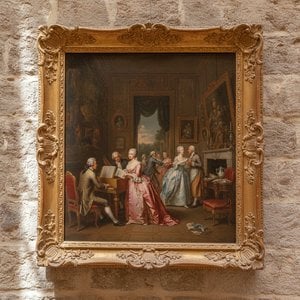
David Teniers the Younger's "The Surgeon" (1670s) captures a bustling 17th-century medical scene with remarkable detail and realism, showcasing Flemish genre painting at its finest.

David Teniers II – wybitny malarz barokowy z Antwerpii, znany z żywych scen rodzajowych, festunków wiejskich i realistycznych wnętrz tavern. Jego twórczość wpłynęła na kolejne pokolenia artystów!

Giclée / Wydruk artystyczny

Wydruki giclée lub płótna o jakości muzealnej, szybka realizacja i szeroki wybór opcji wykończenia. ( Kup ręcznie malowany obraz Przełącz na wersję cyfrową)

P118B $10
P118H $10
P118W $10
P438Z $10
P508JH $12
P508YH $12
P805H $10
P805Z $10
P919BZ $10
P919G $10
P919XJ $10
P959ZH $10
P968JZ $12
W106C $8
W218G $10
W218JH $8
W218Y $10
W307PJ $10
W316G $10
W316PJ $8
W316Y $10
W398PJ $8
W4111J $10
W500HY $15
W500JH $15
W692G $12
W849H $8
W940BG $15
W953PJ $8

Standardowy
na zamówienie
CM
INCH

Wybierz spośród naszych standardowych rozmiarów, które zachowują oryginalne proporcje dzieła sztuki.

szerokość
wysokość

Możesz wprowadzić własne wymiary, aby dopasować dzieło do konkretnej ramy lub przestrzeni. Jeśli wybrany rozmiar nie będzie odpowiadał proporcjom oryginalnego obrazu, przytniecie dzieło lub rozszerzymy obraz za pomocą odbicia lustrzanego lub jednolitego wypełnienia krawędzi. Przed rozpoczęciem produkcji prześlemy cyfrową wizualizację do Twojej akceptacji.
Prosimy pamiętać, że podgląd na ekranie nie odzwierciedla faktycznego przycinania ani rozszerzania. Tylko wizualizacja dokładnie pokaże końcową kompozycję.
Mimo dostępności niestandardowych rozmiarów, zalecamy wybór wymiaru z listy zdefiniowanej, aby zachować oryginalne proporcje.

Dostawa na cały świat () w ciągu 2 tygodni zamiast standardowych 4/5 tygodni. (20 Wrzesień)

why_choose_icon
Bezpłatna ekspresowa wysyłka na cały świat
why_choose_icon
Wysokiej jakości płótno lniane
why_choose_icon
Pełne ubezpieczenie transportowe
why_choose_icon
Gwarancja zwrotu należności celnych i podatków importowych
why_choose_icon
Gwarancja idealnego odwzorowania barw
why_choose_icon
100-dniowy okres na zwrot dzieła w przypadku wykrycia wad produkcyjnych
why_choose_icon
Gwarancja 100% zwrotu pieniędzy
why_choose_icon
Oferta przy zakupie wielu sztuk

Cena całkowita

$ 68

reproduction

The Surgeon

Giclée / Wydruk artystyczny

Rozmiar reprodukcji

-

Suma do zapłaty

$ 68

Kluczowe informacje

  • Movement: Dutch Golden Age
  • Influences: Rubens
  • Artist: David Teniers the Younger
  • Year: 1670
  • Dimensions: 57 x 73 cm
  • Medium: Oil on canvas
  • Artistic style: Realism, detailed observation

Quiz wiedzy o sztuce

Do każdego pytania dotyczy tylko jedna poprawna odpowiedź.

Pytanie 1:
What is the primary subject matter depicted in ‘The Surgeon’?
Pytanie 2:
The painting ‘The Surgeon’ is characteristic of which artistic movement?
Pytanie 3:
According to the description, what is a prominent feature of the painting’s color palette?
Pytanie 4:
David Teniers the Younger was primarily known for his work in which genre?
Pytanie 5:
What technique is most evident in the rendering of textures within ‘The Surgeon’?

A Glimpse into a World of Healing and Observation

David Teniers the Younger’s “The Surgeon,” painted around 1670, isn't merely a depiction of a medical scene; it’s a meticulously rendered snapshot of daily life within a bustling apothecary and surgical workshop. The painting immediately draws the eye into a crowded room filled with figures engaged in various activities – a surgeon intently focused on his patient, assistants tending to instruments, and onlookers observing the procedure. This isn't a grand portrait of heroic medicine; instead, it offers an intimate, almost voyeuristic view of the practical realities of medical practice during the Dutch Golden Age. The composition is deliberately dense, reflecting the organized chaos inherent in a working environment where life and death were intimately intertwined.

The scene unfolds within a space defined by earthy tones – browns, ochres, and muted greens dominate the palette, lending an air of realism and groundedness to the portrayal. Subtle touches of red appear in clothing and bandages, providing visual contrast and drawing attention to the act of healing itself. Teniers’ masterful use of hatching and cross-hatching creates a remarkable sense of texture, from the rough wool of garments to the smooth surfaces of porcelain jars filled with medicinal ingredients. The artist skillfully employs light – primarily emanating from a window on the left – to sculpt forms and cast shadows, adding depth and drama to the composition. The limited perspective, while somewhat flattened, effectively guides the viewer’s eye through the crowded room, emphasizing key figures and details.

The Artist's Hand: Technique and Style

“The Surgeon” is a prime example of David Teniers the Younger’s signature style – a blend of meticulous observation and genre painting. He was renowned for his ability to capture the nuances of everyday life, imbuing even mundane scenes with a sense of vitality and interest. The brushwork is visible yet controlled, contributing to the overall realism of the piece. Notice how Teniers renders the folds in clothing, the textures of skin, and the details of surgical instruments – each element meticulously rendered with careful attention to detail. The painting’s foundation lies in oil paints applied to canvas, a technique that allowed for layering and blending, creating rich colors and subtle gradations of tone.

Furthermore, Teniers' work reflects the influence of his mentor, Peter Paul Rubens, particularly in his use of vibrant color and dynamic composition. However, unlike Rubens’ grand historical scenes, Teniers focused on capturing the immediacy of a domestic setting. The painting is not just a record of events; it’s an invitation to step into a world where medicine was practiced within the familiar confines of a workshop, alongside the rhythms of daily life.

Symbolism and Context: A Window into 17th-Century Medicine

Beyond its immediate visual appeal, “The Surgeon” offers a fascinating glimpse into the cultural attitudes surrounding medicine during the 17th century. The presence of anatomical tools, surgical instruments, and even a monkey – often associated with alchemy and medical knowledge – hints at the prevailing fascination with the human body and the pursuit of healing. Skulls are also present, serving as stark reminders of mortality and the fragility of life. These elements collectively evoke a sense of both wonder and apprehension regarding the practice of medicine.

The painting’s historical context is crucial to understanding its significance. During this period, medical knowledge was still evolving, often blending traditional remedies with emerging scientific discoveries. The scene depicted reflects the collaborative nature of medical care, where surgeons relied on assistants and apprentices to aid in their procedures. “The Surgeon” isn't a celebration of surgical prowess; it’s a testament to the shared experience of healing within a community.

A Timeless Masterpiece: Reproduction and Legacy

David Teniers the Younger’s “The Surgeon” remains a captivating work of art, offering a rare glimpse into the world of 17th-century medicine. Reproductions capture the painting's rich detail and evocative atmosphere, making it an ideal addition to any home or office. Its enduring appeal lies in its ability to transport viewers back in time, inviting them to contemplate the complexities of human health, knowledge, and the ever-present pursuit of healing.


Biografia artysty

David Teniers the Younger: A Master of Flemish Life

David Teniers the Younger, born in Antwerp on December 15, 1610, wasn’t simply a painter; he was a chronicler of his time, a vibrant observer who captured the essence of Flemish society with an unparalleled eye for detail and a remarkable talent for portraying everyday life. His lineage – his father, David Teniers the Elder, was himself a respected artist – provided him with a solid foundation in artistic techniques, but it was through close association with giants like Peter Paul Rubens that Teniers truly blossomed, absorbing their dynamism and embracing a style uniquely his own. His story is one of family tradition intertwined with courtly patronage, ultimately culminating in a legacy as the foremost Flemish genre painter of the Baroque era.

Early Influences and Artistic Training

Teniers’ early artistic development was profoundly shaped by his father's work, primarily smaller-scale cabinet paintings – intimate scenes of aristocratic life and portraits. However, a pivotal moment arrived through his marriage to Anna Brueghel, daughter of Jan Brueghel the Elder, and, crucially, Rubens himself acted as their wedding witness, forging a close connection with the master painter. This association wasn’t merely ceremonial; it provided Teniers with direct access to Rubens' studio and an invaluable understanding of his innovative approach to composition and color. Beyond his father and mentor, he also drew inspiration from other Flemish masters like Pieter Bruegel the Elder, whose landscapes instilled in him a deep appreciation for the beauty of the natural world. Despite facing periods of financial hardship within his family – necessitating the creation of copies of older works to supplement their income – Teniers’ artistic spirit remained undeterred, constantly seeking new ways to express himself and hone his craft.

The Rise of Genre Painting and the "Kermess" Series

Teniers' career truly took flight as he began specializing in genre painting—a revolutionary approach at the time. Rather than focusing on grand historical narratives or religious subjects, he turned his attention to the lives of ordinary people: peasants celebrating festivals, bustling tavern interiors, lively village landscapes – scenes brimming with humor, merriment, and a keen observation of human behavior. His most celebrated works are undoubtedly his “Kermess” paintings—a series depicting elaborate peasant festivities known as *kermis*. These vibrant canvases explode with color, capturing the energy and chaos of these communal gatherings with astonishing detail. The figures are rendered with remarkable realism, their faces reflecting a wide range of emotions – joy, drunkenness, mischief, and even a touch of melancholy. The landscapes surrounding the festivals are equally captivating, showcasing the beauty of the Flemish countryside. These paintings weren’t merely depictions; they were social commentaries, offering a glimpse into the values, customs, and traditions of the time.

Courtly Patronage and the Antwerp Academy

Teniers' artistic reputation quickly gained him recognition within the Habsburg court. He secured a position as court painter and curator for Archduke Leopold Wilhelm, the influential Governor General of the Spanish Netherlands, a role that afforded him considerable prestige and access to an extraordinary collection of art. As curator, he was tasked with cataloging and managing this vast collection, meticulously documenting each piece and contributing significantly to its organization. This position also led to his most ambitious undertaking: the establishment of the Antwerp Academy of Fine Arts in 1663. Driven by a desire to revive Flemish painting after a period of decline following the deaths of Rubens and Van Dyck, Teniers envisioned an institution where young artists could receive rigorous training in drawing and sculpting. Despite initial resistance, he ultimately secured royal recognition for the academy, solidifying his place as a pivotal figure in the artistic landscape of Antwerp.

A Lasting Legacy

David Teniers the Younger died on April 25, 1690, leaving behind an astonishing body of work—estimated to be around two thousand paintings. His influence extended far beyond his own lifetime, inspiring numerous followers and shaping the course of Flemish painting for generations to come. Artists like Coryn Boel and Mattheus van Helmont directly emulated his style, while even figures as renowned as Antoine Watteau in France acknowledged his impact. Teniers’ legacy isn't simply one of artistic skill; it’s a testament to his ability to capture the spirit of an era, offering us a vibrant and enduring portrait of Flemish life during the Baroque period. His paintings remain treasured examples of genre painting, inviting viewers to step into a world of bustling festivals, convivial taverns, and the everyday lives of ordinary people—a world rendered with remarkable beauty, detail, and profound insight.
David Teniers Młodszy

David Teniers Młodszy

1610 - 1690 , Belgia

Najważniejsze informacje

  • Artistic Movement Or Style: Barok
  • Artists Or Movements Influenced By This Artist: ['Watteau']
  • Artists Who Influenced This Artist:
    • Rubens
    • Brueghel
  • Date Of Birth: 1610
  • Date Of Death: 1690
  • Full Name: David Teniers II
  • Nationality: Flamand
  • Notable Artworks:
    • Kermessy
    • Taverny
    • Krajobrazy
  • Place Of Birth: Antwerp, Belgia
Odkryj dzieła sztuki uporządkowane według tematów, stylów i cech charakterystycznych.