

Dzieło sztuki prezentowane na tej stronie podlega ochronie prawem autorskim, co oznacza, że nie mamy prawa do tworzenia ani sprzedaży jego identycznej reprodukcji. Ochrona ta jest egzekwowana na mocy umów międzynarodowych, takich jak Konwencja berneńska oraz przez przepisy prawa krajowego, w tym te określone w Prawo autorskie USA – Tytuł 17.
Metoda ta jest w pełni zgodna z przepisami prawa autorskiego, ponieważ nie polega na kopiowaniu ani powielaniu chronionego dzieła. Stanowi ona kreatywną reinterpretację – nowy obraz, który czerpie inspirację z oryginału, ale nie jest z nim tożsamy.
Wydruki giclée lub płótna o jakości muzealnej, szybka realizacja i szeroki wybór opcji wykończenia. ( Zamów ręcznie malowaną reprodukcję Przejdź do wersji cyfrowej)





























Wybierz spośród naszych standardowych rozmiarów, które zachowują oryginalne proporcje dzieła sztuki.

Wpisz wymaganą szerokość i wysokość, aby dopasować grafikę do ramy lub ściany. Wydruk można jedynie przyciąć, nigdy nie powiększając go poza oryginalny obraz, dlatego format o innych proporcjach spowoduje utratę części kompozycji. Przed rozpoczęciem druku prześlemy Ci cyfrowy podgląd do zatwierdzenia. Obraz wyświetlany na tej stronie nie pokazuje rzeczywistego przycięcia — jedynie podgląd oddaje ten efekt.
Dostawa na cały świat () w ciągu 2 tygodni zamiast standardowych 4/5 tygodni. (31 Październik)
Cisza Rozmowy
Wymiary reprodukcji
Cisza Rozmowy (Silent Conversation) przez Dattatraya Gundę Kulkarniego stanowi fascynujące dzieło sztuki modernistycznej, które zachwyca prostotą i głębią emocjonalną. Obraz przedstawia grupę ludzi siedzących przy stole, skupionych w rozmowie – scena pełna subtelnych gestów i spojrzeń, która zaprasza do refleksji nad naturą relacji międzyludzkich oraz znaczeniem komunikacji.
Symbolizm Ciszy Rozmowy jest subtelny, lecz głęboki. Stół reprezentuje miejsce spotkania i wymiany myśli, natomiast osoby siedzące przy nim symbolizują ludzką naturę oraz zdolność do zrozumienia siebie i innych. Zamknięta kompozycja obrazu sugeruje potrzebę wewnętrznej refleksji i skupienia uwagi na emocjach – elementy charakterystyczne dla filozofii orientalnej.
“Cisza Rozmowy” nie tylko prezentuje piękno estetyczne, ale również pobudza do zadawania ważnych pytań o naturę ludzkiego doświadczenia. Jego minimalistyczny styl i głębokie emocjonalne przesłanie czynią go doskonałym dodatkiem zarówno dla kolekcjonerów sztuki nowoczesnej, jak i dla osób szukających inspiracji w dekorowaniu wnętrz. Reprodukcja tego obrazu pozwoli wiernie oddać jego atmosferę oraz piękno linii i kolorów.
Dominującym kolorem dzieła „Cisza Rozmowy” – Dattatray Gundo Kulkarni jest Driftwood (#a4816a).
„Cisza Rozmowy” zostało stworzone przez Dattatray Gundo Kulkarni. Informacje na tej stronie dotyczą oryginalnego dzieła autorstwa Dattatray Gundo Kulkarni.
Obraz „Cisza Rozmowy” – Dattatray Gundo Kulkarni można pobrać na stronie Pobierz plik cyfrowy dzieła: wysokiej rozdzielczości cyfrowe zdjęcie do pobrania.

Dattatray Gundo Kulkarni, known to the art world by the evocative moniker Dizi, remains one of the most compelling and singular voices in twentieth-century Indian modernism. Born on December 28, 1921, in the village of Shedbal, Karnataka, his life was a profound testament to the pursuit of artistic truth over external acclaim. While many of his contemporaries sought refuge in established movements, Dizi maintained a fiercely independent path, characterized by an unwavering commitment to his own creative vision. His journey was not merely one of aesthetic evolution but also one of personal resilience; during the Quit India movement of 1942, his patriotic fervor led to imprisonment, an experience that left him with a lifelong limp but perhaps deepened the raw intensity found within his work.
His formal artistic foundation was laid at the prestigious Sir Jamsetjee Jeejebhoy School of Art in Mumbai. It was during these formative years that he balanced the practical necessity of working as an illustrator and cartoonist with his burgeoning passion for fine art. This dual existence allowed him to master the precision of line and the wit of caricature, skills that would later inform the structural integrity of his paintings and sculptures. The name Dizi emerged from this period, becoming a symbol of an artist whose personality and style were inextricably linked. Though he held brief affiliations with the Progressive Artists’ Group and the Bombay Group, he never allowed himself to be subsumed by any single school, preferring instead to exist in the vibrant, often turbulent, center of India's modernizing art scene.
The evolution of Dizi’s technique is a fascinating study in artistic maturation. In his early career, his palette was characterized by a certain brightness—vibrant, gay, and light colors that captured the energy of a young artist exploring the possibilities of medium. However, as he matured, his work underwent a profound transformation. He began to eschew superficial ornamentation and flamboyant color in favor of a more sombre and meditative representation. This shift toward deeper tones, mass, and volume allowed him to explore the very essence of form, creating works that felt grounded and monumental even in their most minimalist expressions.
His versatility was truly remarkable, spanning three distinct media: drawing, painting, and sculpture. Whether he was capturing nuanced details in an intricate drawing, exploring abstract depths in a painting, or manipulating physical space through sculpture, his core philosophy remained constant. He sought to convey an honest representation of inner truth, a goal shared by his close friends and contemporaries, V. S. Gaitonde and S. B. Palsikar. His work often reflected a minimalist approach, reminiscent of the post-war European movements, where simplicity was used as a tool to probe the complexities of human psychology and existence. In his art, one finds a deliberate rejection of the decorative, replaced by a search for a core essence that resonates far beyond the canvas.
Dizi’s contribution to Indian art is marked by both his technical mastery and his philosophical depth. He was an artist who believed in surrendering to the center of life without losing one's individual identity, a sentiment that permeates his entire oeuvre. His ability to mirror his own personality through his artistic style made him a unique figure—a rebel with a refined sensibility. This dedication to integrity did not go unnoticed by the institutional art community, which recognized his profound impact on the landscape of Indian modernism.
Throughout his career, he received several prestigious accolades that honored his lifelong commitment to excellence:
Today, the legacy of Dattatray Gundo Kulkarni lives on through works that continue to challenge and inspire. His ability to blend traditional Indian aesthetics with modernist experimentation ensures his place in the canon of great modernists. He remains a symbol of the artist as an independent thinker—one who navigates the complexities of history, politics, and personal struggle to emerge with a voice that is unmistakably, and eternally, his own.

1921 - 1992 , India

Odkryj 25 arcydzieł Wassily Kandinskiego – pioniera abstrakcji i ekspresjonizmu! Poznaj historie, techniki i emocje kryjące się za jego kolorowymi kompozycjami. Reprodukcje obrazów najwyższej jakości na WahooArt.com. Eksploruj pełną kolekcję online!

Odkryj 25 arcydzieł Marka Rothko – mistrza abstrakcji i koloru. Poznaj historie, techniki i emocje kryjące się za jego płótnami. Reprodukcje obrazów najwyższej jakości na WahooArt.com. Eksploruj kolekcję online!

Odkryj 10 słynnych obrazów, w których czerń króluje! Poznaj historie artystów, ekspresjonizm i mroczną paletę barw. Reprodukcje dzieł sztuki najwyższej jakości na WahooArt.com – inspiracje do wnętrz i kolekcjonerstwo.
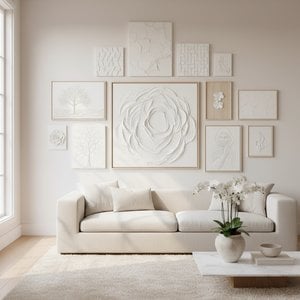
Odkryj 10 najsłynniejszych obrazów, w których biel dominuje i tworzy wyjątkową atmosferę. Poznaj historie Moneta, Van Gogha i innych mistrzów! Reprodukcje najwyższej jakości na WahooArt.com – inspiracje wnętrzarskie i kolekcjonerstwo sztuki online.

Odkryj 25 arcydzieł Kazimira Malevicha – pioniera suprematyzmu i abstrakcji. Poznaj historie, techniki i inspiracje za 'Czarnym Kwadratem' i innymi kultowymi dziełami. Reprodukcje najwyższej jakości na WahooArt.com.
 Podgląd w skali 1:1
 Wyślij jako kartkę
 Udostępnij
 Szczegóły dzieła
 Przewodnik

 Pobierz obraz
 Podobne obiekty
 RTG
RTG Pokaz slajdów
 Q&A
Q&A Statystyki


 Rozwiń treść









 Opcja ze szkłem jest dostępna wyłącznie w rozmiarach poniżej 110 cm


