Biografia artysty
A Life Immersed in Beauty: The World of Dante Gabriel Rossetti
Dante Gabriel Rossetti, urodzony Gabriel Charles Dante Rossetti w 1828 roku w Londynie, był postacią głęboko ukształtowaną przez prąki swojego czasu – romantycznym duchem rozkwitającym w epoce wiktoriańskiej. Jego pochodzenie samo w sobie wskazywało na artystyczny przeznaczenie, które go czekało; jego ojciec, włoski emigrant polityczny i uczony Dante Alighieri, zaszczepił w młodego Gabriela głębokie oddanie literaturze i sztuce. Wczesne to doświadczenie, połączone z matką, która pielęgnowała jego ciekawość intelektualną, stanowiło fundament dla życia poświęconego ekspresji twórczej. Początkowo rozważając karierę duchowną, prawdziwym powołaniem Rossetti’a okazała się sfera estetyki – ścieżka, którą wyznaczył jako poetę, ilustratora i przede wszystkim malarza, którego dzieła nadal fascynują odbiorców dzisiaj. Jego wczesne lata były naznaczone wpływem gigantów literatury jego czasu – Szekspira, Dickensa, Scotta, Byrona – wszyscy oni przyczyniali się do bogatego krajobrazu wyobraźni, który później zdefiniował jego wizję artystyczną.
The Pre-Raphaelite Rebellion and Artistic Awakening
Imię Rossetti’ego nierozerwalnie związane jest z bractwem Prerafaelitów, ruchem rewolucyjnym, którego współzałożył w 1848 roku obok Williama Holman'a Hunta i Johna Everett Millaisa. Nie był to jedynie przesunięcie artystyczne; była to rebelia przeciwko sztuce akademickiej, która panowała w tamtym czasie – sztuce postrzeganej jako sztuczna. Bractwo dążyło do powrotu do szczegółowego realizmu, żywych kolorów i duchowej intensywności, które znajdowały się w sztuce włoskiej i flemishskiej *przed* Renesansem Wysokim – stąd nazwa „Prerafaelici”. Oznaczało to odrzucenie idealizowanych form i konwencjonalnych kompozycji preferowanych przez Akademię Królewską, zamiast tego przyjęcie dokładnego obserwacji natury i zaangażowania w wierne przedstawienie. Wczesne prace Rossetti’ego, takie jak *Dziewczęństwo Maryjne*, ilustrują tę dedykację, prezentując niemal fotograficzny poziom szczegółowości obok symbolicznej narracji zaczerpniętej z tekstów religijnych. Jednakże, wkład Rossetti’ego wykraczał poza umiejętności techniczne; wprowadził do grupy charakterystyczną literacką wrażliwość, często wybierając motywy inspirowane poezją i mitologią. Manifest Bractwa nie dotyczył jedynie *jak* malować, ale *co* malować – koncentrując się na tematach moralności, duchowości i piękna z intensywnością, która wyzwała konwencje wiktoriańskie. Ważne było również, że Rossetti wprowadził do grupy nowatorskie podejście do tematu, często odwołując się do dzieł Dante’ego, Szekspira czy Blake'a.
Evolving Styles: Symbolism, Sensuality, and the Female Muse
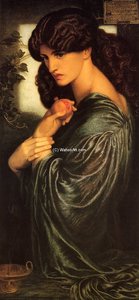
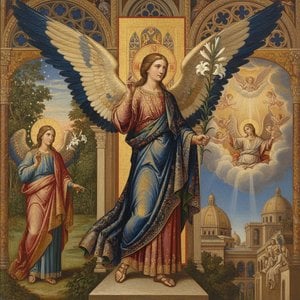
Wraz z upływem lat i karierą Rossetti’ego jego styl artystyczny przeszedł fascynującą ewolucję. Chociaż początkowo przestrzegał ścisłych zasad estetyki Prerafaelitów, stopniowo poruszał się w kierunku bardziej symbolicznej i marzeń narracji. Jego obrazy stały się coraz bardziej przenikliwe emocjonalnie, eksplorując tematy miłości, straty i duchowego tęsknoty z głębią emocji, która rezonowała z odbiorcami. Wpływ na to miał jego osobiste życie, szczególnie jego skomplikowane relacje z kobietami, które służyły mu jako modelki i muzy – Elizabeth Siddal, Fanny Cornforth i Jane Morris. Te kobiety nie były jedynie biernymi postaciami; reprezentowały określony ideal estetyczny dla Rossetti’ego – często przedstawiane z płynnymi włosami rudawymi, melancholijnymi wyrazami twarzy i aurą enigmatycznego piękna. Obrazy takie jak *Proserpine* są doskonałym przykładem tej późniejszej stylistyki, prezentując jego mistrzostwo symbolizmu i zdolność do wywołania hipnotyzującego klimatu. Bogate kolory, dramatyczne oświetlenie i sugestywne pozycje wnoszą swój udział w złowieszczej atmosferze obrazu. Zaczynał również łączyć poezję z sztuką wizualną, często pisząc sonety towarzyszące swoim malowaniom, tworząc spójne doświadczenie artystyczne, które angażowało zarówno oko, jak i umysł. *Spójrz na sługę Panu! (Anuncjacja)* jest świadectwem tego zintegrowanego podejścia.
Major Achievements and Historical Significance
Dante Gabriel Rossetti nie był tylko artystą; był rewolucjonistą kulturowym, który ośmielił się podważyć panujące konwencje artystyczne jego czasu. Jego nacisk na symbolizm, emocję i indywidualną wizję otworzył drogę dla nowych form ekspresji, zachęcając artystów do eksploracji swoich wewnętrznych światów i przyjęcia subiektywnego doświadczenia. Jego praca odgrywała kluczową rolę w rozwoju Ruchu Estetycznego i Symbolizmu – ruchów, które podkreślały piękno, emocje i subiektywny odbiór ponad wszystkim innym. Artyści tacy jak William Morris i Ford Madox Brown byli głęboko zainspirowani jego zasadami estetycznych, wprowadzając je do własnych charakterystycznych stylów. Jego nacisk na symbolizm i intensywność emocjonalną wyznaczył również drogę dla późniejszych eksploracji artystycznych podświadomości. Nawet dzisiaj jego obrazy inspirują artystów i miłośników sztuki, umacniając jego pozycję jako jednego z najważniejszych postaci w sztuce brytyjskiej XIX wieku. Wyzwał konwencje, przyjął piękno we wszystkich jego formach i pozostawił po sobie dziedzictwo, które nadal rezonuje z tymi, którzy szukają znaczenia i emocji w sztuce.
Legacy and Lasting Influence
Rossetti był postacią, która wywarła trwały wpływ na świat sztuki. Jego dzieła są świadectwem jego wizji, a jego praca inspiruje kolejne pokolenia artystów i pisarzy.



 Podgląd w skali 1:1
 Zamów ręcznie malowaną reprodukcję
 Wyślij jako kartkę
 Udostępnij
 Szczegóły dzieła
 Przewodnik

 Pobierz obraz
 Podobne obiekty
 RTG
RTG Pokaz slajdów
 Statystyki


 Rozwiń treść






































 Opcja ze szkłem jest dostępna wyłącznie w rozmiarach poniżej 110 cm