x
Podgląd w skaliPodgląd w skali Podgląd ARPodgląd AR Zamów ręcznie malowaną reprodukcję Zamów ręcznie malowaną reprodukcjęKup obraz wysokiej rozdzielczości Kup obraz wysokiej rozdzielczości Wyślij jako kartkęWyślij jako kartkę
Szczegóły dziełaSzczegóły dzieła Dodaj do ulubionych Dodaj do ulubionych PobierzPobierz Podobne obiektyPodobne obiekty RTGRTG Pokaz slajdówPokaz slajdów

Model

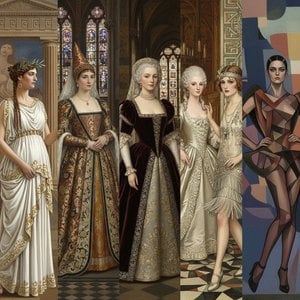
Cristóbal Balenciaga’s ‘Model’ (1967) captures a striking tweed suit – elegant, geometric & timeless. Explore this iconic fashion photograph and discover the legacy of the 'Master Couturier'.

Cristóbal Balenciaga – rewolucyjny projektant haute couture. Eleganckie kreacje, wpływ surrealizmu i pionierskie formy. Odkryj jego unikalne dzieła sztuki!

Giclée / Wydruk artystyczny

Druk giclée lub płótno o jakości muzealnej, szybka realizacja i szeroki wybór opcji wykończenia. (Zamów ręcznie malowaną reprodukcję Zamów ręcznie malowaną reprodukcjęKup obraz wysokiej rozdzielczości Kup obraz wysokiej rozdzielczości)

P118B $10
P118H $10
P118W $10
P438Z $10
P508JH $12
P508YH $12
P805H $10
P805Z $10
P919BZ $10
P919G $10
P919XJ $10
P959ZH $10
P968JZ $12
W106C $8
W218G $10
W218JH $8
W218Y $10
W307PJ $10
W316G $10
W316PJ $8
W316Y $10
W398PJ $8
W4111J $10
W500HY $15
W500JH $15
W692G $12
W849H $8
W940BG $15
W953PJ $8

Standardowy rozmiar
na wymiar
CM
INCH

Wybierz spośród naszych standardowych rozmiarów, które zachowują oryginalne proporcje dzieła sztuki.

szerokość
wysokość

Możesz wprowadzić własne wymiary, aby dopasować dzieło do konkretnej ramy lub przestrzeni. Jeśli wybrany rozmiar nie będzie odpowiadał proporcjom oryginalnego obrazu, przytniecie dzieło lub rozszerzymy obraz za pomocą odbicia lustrzanego lub jednolitego wypełnienia krawędzi. Przed rozpoczęciem produkcji prześlemy cyfrową wizualizację do Twojej akceptacji.
Prosimy pamiętać, że podgląd na ekranie nie odzwierciedla faktycznego przycinania ani rozszerzania. Tylko wizualizacja dokładnie pokaże końcową kompozycję.
Mimo dostępności niestandardowych rozmiarów, zalecamy wybór wymiaru z listy zdefiniowanej, aby zachować oryginalne proporcje.

Dostawa na cały świat () w ciągu 2 tygodni zamiast standardowych 4/5 tygodni. (30 Sierpień)

why_choose_icon
Bezpłatna ekspresowa wysyłka na cały świat
why_choose_icon
Wysokiej jakości płótno lniane
why_choose_icon
Pełne ubezpieczenie przesyłki
why_choose_icon
Gwarancja zwrotu należności celnych i podatków importowych
why_choose_icon
Gwarancja wiernego odwzorowania kolorów
why_choose_icon
Polityka 60-dniowego zwrotu (tylko w przypadku wad)
why_choose_icon
Gwarancja 100% zwrotu kosztów
why_choose_icon
Zniżka przy zamówieniu wielu produktów

Suma całkowita

$ 68

reproduction

Model

Giclée / Wydruk artystyczny

Wymiary reprodukcji

-

Cena całkowita

$ 68

Szybki podgląd

  • Artist: Cristóbal Balenciaga Eizaguirre
  • Movement: Surrealism
  • Year: 1967
  • Medium: Painting
  • Notable elements or techniques: X-ray detail
  • Title: Model
  • Subject or theme: Fashion portrait

Quiz o sztuce

Do każdego pytania dotyczy tylko jedna poprawna odpowiedź.

Pytanie 1:
What is the primary subject of Cristóbal Balenciaga Eizaguirre’s ‘Model’ painting?
Pytanie 2:
The painting ‘Model’ was created in which year?
Pytanie 3:
The style of ‘Model’ is most closely associated with which artistic movement?
Pytanie 4:
Cristóbal Balenciaga Eizaguirre is best known for his work in which field?
Pytanie 5:
What does the x-ray reveal about the construction of ‘Model’?

The Enigmatic Silhouette: Unpacking Cristóbal Balenciaga’s ‘Model’

Cristóbal Balenciaga’s 1966 photograph, “Model,” isn't merely a portrait; it’s a distilled essence of the designer’s revolutionary approach to fashion. The image captures a woman, her form enveloped in a striking tweed suit – a garment that immediately speaks of geometric precision and timeless elegance. Yet, beneath this surface simplicity lies a profound exploration of structure, proportion, and the very nature of representation. The photograph, often cited as one of Balenciaga’s most iconic works, transcends its status as a simple fashion image, offering a glimpse into the meticulous process and philosophical underpinnings of his design philosophy.

Balenciaga's genius wasn’t simply about creating beautiful clothes; it was about dissecting them, understanding their fundamental components, and rebuilding them with an almost architectural rigor. “Model” exemplifies this perfectly. The tweed itself is a deliberate choice – a robust, slightly stiff material that resists the drape of traditional fabrics, demanding a precise construction. Notice how the seams are barely visible, suggesting a layering technique designed to create volume without adding bulk. This restraint, this careful control over the fabric’s behavior, is characteristic of Balenciaga's work and reflects his deep understanding of materials – he considered himself more a craftsman than a designer in the conventional sense.

A Masterclass in Architectural Form

The suit’s silhouette isn’t simply flattering; it’s deliberately constructed to evoke a sense of solidity and strength. The fitted bodice, the subtly flared skirt – each element contributes to an overall impression of contained power. Balenciaga was deeply influenced by the art movements of his time, particularly Surrealism and Cubism, which encouraged him to deconstruct familiar forms and reassemble them in unexpected ways. This is evident in the suit’s sharp angles and its almost sculptural quality. The photograph itself becomes a study in form – a meditation on how shape can convey meaning and emotion.

The choice of David Bailey as the photographer further enhances the image's impact. Bailey, known for his stark, black-and-white portraits, captures the subject with an unflinching gaze, emphasizing her posture and the suit’s impeccable tailoring. The lighting is carefully controlled, highlighting the textures of the tweed and casting subtle shadows that accentuate the garment’s three-dimensional form. Bailey's skill lies in revealing the underlying structure of the image, mirroring Balenciaga’s own approach to design.

Echoes of a Lost Era: Context and Legacy

“Model” was created during a pivotal moment in fashion history – the mid-1960s. While Yves Saint Laurent was injecting youthful energy into Parisian couture with his Le Smoking tuxedo, Balenciaga remained steadfastly committed to his own vision of timeless elegance. His designs were often perceived as being ahead of their time, challenging conventional notions of beauty and femininity. The photograph serves as a reminder of this period of creative experimentation and the enduring influence of Balenciaga’s work.

The image also speaks to the broader cultural context of the era – a fascination with architecture, technology, and industrial design. Balenciaga's designs were often described as “architectural,” reflecting a growing interest in geometric forms and functional aesthetics. The photograph captures this spirit perfectly, suggesting that fashion could be both beautiful and intellectually stimulating.

A Timeless Icon: Reproduction and Inspiration

Today, “Model” remains one of the most recognizable images in the history of fashion photography. Its enduring appeal lies in its combination of technical skill, artistic vision, and emotional resonance. Reproductions of this photograph are highly sought after by collectors and interior designers alike, who appreciate its timeless elegance and its ability to evoke a sense of sophistication and refinement. When commissioning a hand-painted reproduction, it’s crucial to select an artist who understands Balenciaga's meticulous approach to detail and his commitment to capturing the essence of his designs.


O artyście

Early Life and Artistic Beginnings

Cristóbal Balenciaga Eizaguirre, a name synonymous with unparalleled elegance and revolutionary design, was born in 1895 in the picturesque fishing village of Getaria, nestled along the rugged coast of Spain’s Basque Country. His early life, steeped in the traditions of his seafaring community, provided an unexpected foundation for a career that would ultimately reshape the world of haute couture. From a young age, Cristóbal was deeply influenced by his mother, a skilled seamstress who operated a small atelier within their home. Witnessing her meticulous craft and the artistry involved in transforming fabric into wearable works of art ignited a passion within him – a desire to master the secrets of design and construction. He began assisting her at just twelve years old, learning the fundamentals of tailoring and patternmaking, skills that would prove crucial to his later success. This early exposure instilled in him an unwavering dedication to precision, a hallmark of his distinctive style. His father’s profession as a fisherman further shaped his perspective, imbuing a deep appreciation for natural materials and their inherent qualities – a respect he consistently translated into his designs.

Influences and Artistic Evolution

Balenciaga's artistic journey was profoundly shaped by the vibrant cultural landscape of early 20th-century Spain and beyond. He drew inspiration from a diverse range of sources, including the rich traditions of Basque folk art, the dramatic flair of Spanish flamenco, and the innovative spirit of European avant-garde movements. His initial training in San Sebastián exposed him to the techniques of established tailors, but it was his travels to Paris that truly ignited his creative fire. There, he encountered the groundbreaking designs of Coco Chanel and Elsa Schiaparelli, absorbing their bold experimentation with silhouette and color. Notably, he developed a deep admiration for Diego Velázquez’s paintings, particularly the dramatic use of light and shadow, which informed his approach to draping and volume. The influence of Surrealism is also evident in his later work, as seen in pieces like “Acrobat,” where he pushed the boundaries of form and challenged conventional notions of beauty. Balenciaga's ability to synthesize these diverse influences into a cohesive and utterly unique aesthetic cemented his position as a true visionary.

The Rise of a Couturier

Following the Spanish Civil War, Balenciaga recognized the opportunities presented by Paris’s status as the global center of fashion. He established his couture house in 1937 on Avenue George V, quickly gaining recognition for his impeccable craftsmanship and daring designs. His early collections were characterized by their sculptural forms, inspired by historical silhouettes and infused with a distinctly Spanish sensibility. The “Infanta” gown, directly referencing Velázquez’s portraits of the Spanish royal family, became an instant sensation, demonstrating Balenciaga's ability to seamlessly blend tradition and innovation. He quickly gained the patronage of royalty, aristocracy, and Hollywood stars – a testament to his growing reputation as the "Master of Us All," a title bestowed upon him by Christian Dior. During World War II, despite the challenges posed by wartime restrictions, Balenciaga continued to create exquisite garments, utilizing innovative techniques like draping and manipulating fabric to achieve remarkable effects. His designs were highly sought after by clients willing to risk travel to Paris for his creations.

Revolutionizing Silhouette and Legacy

Balenciaga’s most significant contribution to fashion was undoubtedly his radical reimagining of the female silhouette. Rejecting the prevailing hourglass shape popularized by Dior, he introduced a series of groundbreaking designs that redefined the way women dressed. His “sack dress,” unveiled in 1957, eliminated the waist altogether, creating a clean, streamlined look that challenged conventional notions of femininity. This was followed by the introduction of the "balloon hem," which dramatically expanded the volume of skirts and jackets, and the iconic “baby doll” dress, characterized by its trapeze-like shape and effortless elegance. These innovations, combined with his masterful use of fabric – particularly silk gazar – established Balenciaga as a true pioneer of modern fashion. His influence extended far beyond individual garments; he fundamentally altered the way designers approached form and construction, paving the way for subsequent generations of creatives. Cristóbal Balenciaga Eizaguirre died in 1972, leaving behind a legacy that continues to inspire awe and admiration within the world of fashion. His work remains celebrated for its timeless elegance, impeccable craftsmanship, and unwavering commitment to pushing the boundaries of design.
Cristóbal Balenciaga

Cristóbal Balenciaga

1895 - 1972 , Hiszpania

Krótka nota

  • Artistic Movement Or Style: Avant-garde / Surrealizm
  • Artists Or Movements Influenced By This Artist: ['Diego Velázquez']
  • Artists Who Influenced This Artist:
    • Coco Chanel
    • Christian Dior
  • Date Of Birth: 21 stycznia 1895
  • Date Of Death: 23 marca 1972
  • Full Name: Cristóbal Balenciaga Eizaguirre
  • Nationality: Hiszpański
  • Notable Artworks:
    • Study 'Song of Songs IV'
    • Tree Roots
    • Acrobat
  • Place Of Birth: Getaria, Hiszpania
Odkryj dzieła sztuki uporządkowane według tematów, stylów i cech charakterystycznych.