


Dzieło sztuki prezentowane na tej stronie podlega ochronie prawem autorskim, co oznacza, że nie mamy prawa do tworzenia ani sprzedaży jego identycznej reprodukcji. Ochrona ta jest egzekwowana na mocy umów międzynarodowych, takich jak Konwencja berneńska oraz przez przepisy prawa krajowego, w tym te określone w Prawo autorskie USA – Tytuł 17.
Metoda ta jest w pełni zgodna z przepisami prawa autorskiego, ponieważ nie polega na kopiowaniu ani powielaniu chronionego dzieła. Stanowi ona kreatywną reinterpretację – nowy obraz, który czerpie inspirację z oryginału, ale nie jest z nim tożsamy.
Wydruki giclée lub płótna o jakości muzealnej, szybka realizacja i szeroki wybór opcji wykończenia. ( Zamów ręcznie malowaną reprodukcję Przejdź do wersji cyfrowej)
Wybierz spośród naszych standardowych rozmiarów, które zachowują oryginalne proporcje dzieła sztuki.

Wpisz wymaganą szerokość i wysokość, aby dopasować grafikę do ramy lub ściany. Wydruk można jedynie przyciąć, nigdy nie powiększając go poza oryginalny obraz, dlatego format o innych proporcjach spowoduje utratę części kompozycji. Przed rozpoczęciem druku prześlemy Ci cyfrowy podgląd do zatwierdzenia. Obraz wyświetlany na tej stronie nie pokazuje rzeczywistego przycięcia — jedynie podgląd oddaje ten efekt.
Dostawa na cały świat () w ciągu 2 tygodni zamiast standardowych 4/5 tygodni. (15 Listopad)
He
Wymiary reprodukcji
In the evocative piece "He," created in 1967 by the renowned photographer Claudia Andujar, we are invited into a realm where reality and perception blur into a singular, dreamlike state. This work is not merely a portrait; it is a visceral fragment of a social moment captured through a lens of profound psychological depth. The image presents a heavily stylized and somewhat distorted figure, a man whose identity is partially veiled by dark sunglasses. Through the use of intense color grading and deliberate textural manipulation, Andujar transforms a journalistic subject into a surrealist icon. The composition draws the viewer’s eye directly to the subject's face, where the interplay of light and shadow creates an atmosphere of mystery and introspection, making it a captivating centerpiece for any collection focused on mid-century experimental photography.
The historical weight of this work is inseparable from its visual execution. Created during a period of intense social upheaval in Brazil, "He" serves as a poignant reflection of the era's turbulent landscape. The piece is deeply connected to a 1967 reportage by Narciso Kalíli, which addressed the harrowing rise of drug addiction among Brazil's youth—a "grave warning" for a generation caught on the margins of society. Andujar, through her unique lens, does not simply document a social crisis; she captures the internal, fragmented experience of those seeking escape from reality. The blurred background and the presence of a microphone stand suggest a stage or a performance space, hinting at the public yet isolated nature of the subject's struggle.
Technically, "He" is a masterclass in the use of aesthetics that bridge historical photographic foundations with a modern, almost digital-age sensibility. While the original was captured on film, its reproduction carries a texture reminiscent of digital noise and grain, which adds an unsettling, almost tactile quality to the image. The lines are intentional yet largely indistinct due to heavy blurring and manipulation, creating a sense of movement and instability. Shapes are simplified and abstracted, stripping away the mundane to reveal something more primal.
The lighting is dramatic and uneven, with strong highlights and deep shadows contributing to a profound sense of depth while simultaneously obscuring vital details. This creates a flattened perspective that lacks a clear sense of three-dimensionality, pushing the subject toward the realm of digital art or manipulated photography. The texture, appearing as a layer of digital noise, serves to heighten the unsettling atmosphere, making the image feel less like a window into the past and more like a haunting, living memory.
For the discerning collector or interior designer, "He" offers much more than visual intrigue; it provides a profound emotional anchor. The symbolic elements are subtle yet powerful—the sunglasses act as a barrier, representing anonymity, protection, or perhaps the refusal to be truly seen by a judgmental society. The blurred, indistinct background hints at an unseen world, suggesting that the subject's true struggle exists in a space just out of reach of the viewer's grasp.
Integrating such a piece into a curated space brings a sense of intellectual depth and sophisticated mystery. It is an ideal selection for those seeking to evoke themes of introspection, social consciousness, or mid-century modernism. Whether placed in a minimalist gallery setting or as a bold statement in a contemporary living space, the work commands attention through its ability to provoke thought and stir the soul, making it a timeless investment in the power of experimental photography.
Podgląd dzieła „He” – Claudia Andujar można znaleźć na stronie Podgląd w pomieszczeniu.
Nie – dzieło znajduje się poza granicami kraju artysty. Dzieło "He" znajduje się w zbiorach Brazylia, podczas gdy Claudia Andujar urodził(a) się w Szwajcaria.
Kolory w „He” – Claudia Andujar charakteryzują się Balanced intensywnością.


1931 - , Szwajcaria

Explore the profound artistry of black and white photography. From historical mastery to the interplay of light and shadow, discover how monochrome captures timeless emotion and form through a sophisticated lens of art history.

Step into the dreamscape of Salvador Dalí. Explore 25 iconic Surrealist masterpieces, from melting clocks to bizarre landscapes. Discover the stories behind these timeless works and find museum-quality art reproductions for your decor. Explore the full collection on WahooArt.com.

Discover the profound beauty of Modigliani-style art. Explore the elegance of elongated forms and soulful portraits through our expert curation of hand-painted oil reproductions and museum-quality prints designed for the sophisticated collector.

Step into the dreamlike world of Gustave Moreau. Explore 25 iconic Symbolist masterpieces, from mythic tales to opulent textures. Find inspiration for museum-quality art reproductions and curated decor. Discover all masterpieces on WahooArt.com.
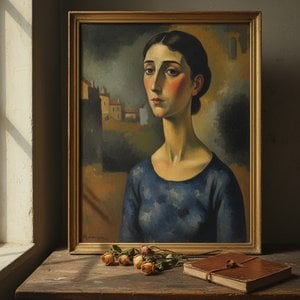
Delve into the haunting beauty of Amedeo Modigliani's portraits. Explore the intersection of Expressionism and Modernism through an expert analysis of his iconic elongated forms, melancholic gazes, and profound influence on art history.
 Wyślij jako kartkę
 Udostępnij
 Szczegóły dzieła
 Przewodnik

 Pobierz obraz
 Podobne obiekty
 Pokaz slajdów
 Pytania i odpowiedzi
 Statystyki


 Rozwiń treść






































 Opcja ze szkłem jest dostępna wyłącznie w rozmiarach poniżej 110 cm


