Sell

Sell Your Art
x
PreviewPreview Zamów wydruk Zamów wydrukZamów reprodukcję Zamów reprodukcję UdostępnijUdostępnij
Szczegóły dziełaSzczegóły dzieła Dodaj do ulubionych Dodaj do ulubionych PobierzPobierz Podobne obiektyPodobne obiekty RTGRTG Pokaz slajdówPokaz slajdów

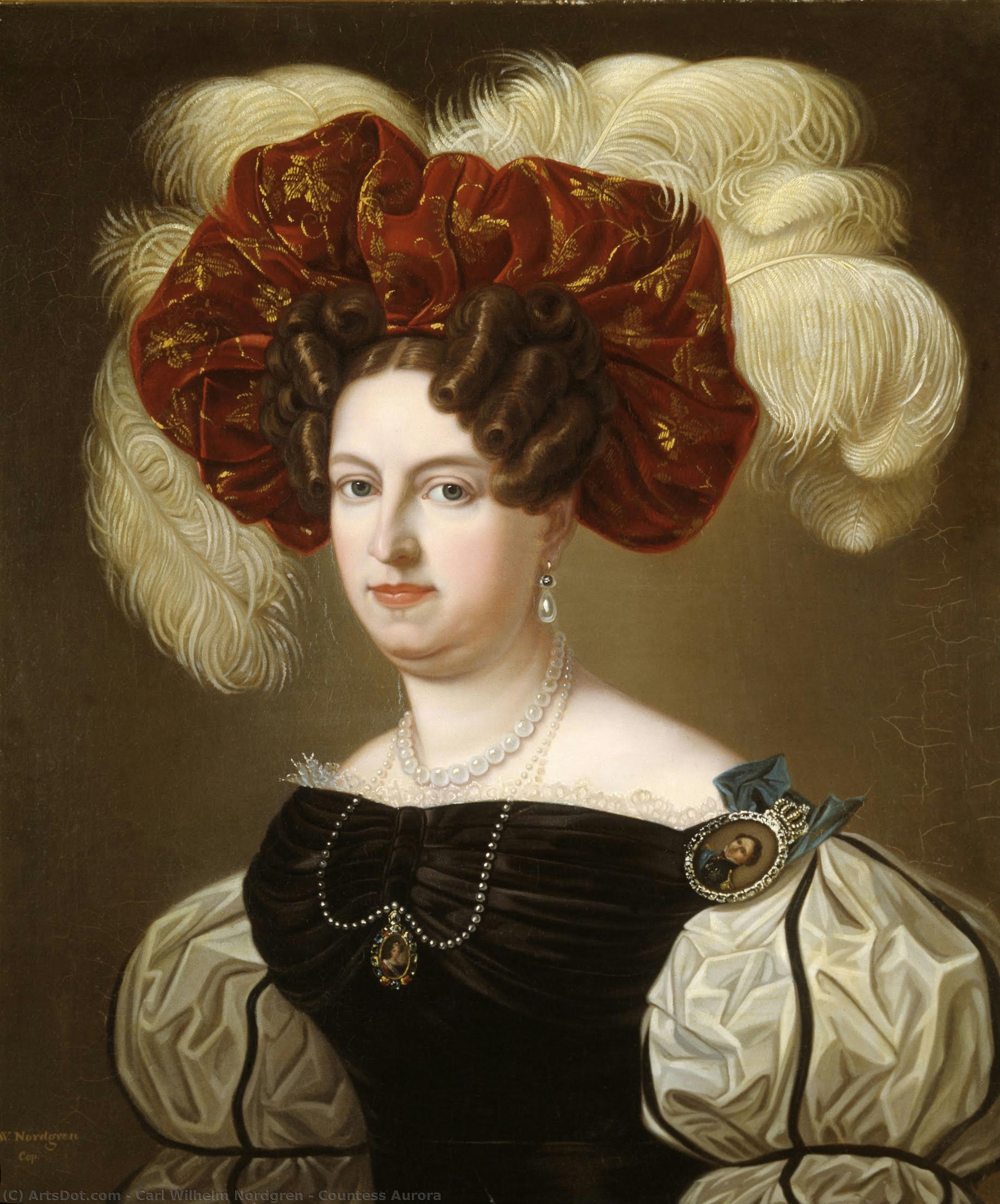
Countess Aurora

Explore the portraits of Carl Wilhelm Nordgren (1804-1857), a Swedish painter known for his meticulous style & works like Gripsholm Castle. Discover his legacy at museums in Sweden & France.

Kup wysokiej rozdzielczości, ulepszony obraz cyfrowy, znacznie lepszy niż podgląd online.

Każdy plik jest starannie przygotowywany przez naszych specjalistów przy użyciu zaawansowanych narzędzi oraz profesjonalnej, ręcznej retuszy. Dbamy o to, aby każdy obraz cechował się wyjątkową ostrością, precyzyjnym odwzorowaniem kolorów i subtelnymi detalami.

Ostateczny plik dostarczany jest drogą mailową w ciągu 72 godzin, zoptymalizowany do natychmiastowego wykorzystania w profesjonalnych zastosowaniach redakcyjnych i poligraficznych. To ta sama jakość, której ufają czołowe studia projektowe, wydawnictwa oraz galerie sztuki.

Obraz cyfrowy

Pobierz plik o wysokiej rozdzielczości do osobistego wyświetlania, druku oraz projektów kreatywnych.

Suma do zapłaty

$9.99

Zawarte w każdym zamówieniu na obraz cyfrowy

Profesjonalna dostawa cyfrowa, gwarantowana

Wybierając WahooArt.com, nie otrzymujesz jedynie obrazu – otrzymujesz profesjonalnie udoskonalone cyfrowe dzieło sztuki, stworzone z najwyższą precyzją i objęte gwarancją satysfakcji. Oto wszystko, co automatycznie dołączane jest do Twojego zamówienia:

shipping_icon
Błyskawiczna wysyłka e-mailowa

Plik z obrazem cyfrowym w wysokiej rozdzielczości zostanie przesłany na Twój adres e-mail w ciągu 72 godzin od złożenia zamówienia – gotowy do natychmiastowego użycia.

canvas_icon
Plik cyfrowy wzbogacony przez AI

Twoja grafika została profesjonalnie zoptymalizowana przy użyciu zaawansowanych narzędzi AI oraz ręcznej edycji, co zapewnia maksymalną szczegółowość, klarowność i wierność kolorów.

insurance_icon
Dożywotnia darmowa ponowna dostawa

Przypadkowo usunąłeś lub zgubiłeś swój plik? Bez obaw – prześlemy go Tobie ponownie w dowolnym momencie, bez żadnych opłat.

tax_icon
Bez opłat importowych – zawsze

Ciesz się swoją sztuką natychmiast, bez żadnych opłat celnych, należności ani kosztów dostawy – pliki cyfrowe są zawsze wolne od podatku.

color_icon
Gwarancja wierności kolorów

Dzięki zastosowaniu profesjonalnych narzędzi i procesów zarządzania barwą zapewniamy, że Twoje cyfrowe zdjęcie odzwierciedla oryginalne kolory tak wiernie, jak to tylko możliwe.

return_icon
60-dniowa gwarancja satysfakcji

Jeśli nie będziesz zadowolony ze swojego cyfrowego obrazu, poprawimy go lub zwrócimy 100% kosztów w ciągu 60 dni – bez żadnych pytań.

guarantee_icon
100% Gwarancja zwrotu pieniędzy

Nie zadowoleni? Otrzymaj pełny zwrot kosztów w ciągu 60 dni od otrzymania pliku cyfrowego – bez zbędnych pytań.

discount_icon
Rabaty na zamówienia hurtowe

Kup 3 obrazy, oszczędź 10% - Kup 5, oszczędź 15% - Kup 10+, oszczędź 20%. Idealne do projektów kreatywnych, galerii i agencji.


Biografia artysty

William Oliver: A Master of English Watercolour Landscapes

William Oliver, born in Sudbury, Suffolk, in 1804, was a pivotal figure in the development of watercolour landscape painting during the mid-19th century. Though often overshadowed by his more celebrated contemporaries, Oliver’s meticulous observation and skillful rendering of light and atmosphere secured him a respected place within the British art world. His career spanned nearly five decades, marked by a dedication to capturing the beauty of England, France, Spain, Italy, Switzerland, Germany, and the Tyrol – regions he visited with an artist's keen eye and a collector’s discerning taste. Oliver’s legacy lies not in grand, revolutionary gestures but rather in his consistent pursuit of refined detail and a deeply felt connection to the natural world.

Early Life and Artistic Training

Oliver’s early life remains somewhat shrouded in mystery, though he was born into an artistic family – his father, Frederick Oliver, was also a painter. He began exhibiting his work at the Society of British Artists in 1829, showcasing scenes from Kent and other English locales. Crucially, Oliver apprenticed under John Frederick Lewis, a renowned watercolourist known for his vibrant depictions of the Middle East. This mentorship proved invaluable, shaping Oliver’s technique and fostering an appreciation for detailed observation – a hallmark of his later work. Lewis's influence is evident in Oliver’s meticulous rendering of foliage, the careful placement of light, and his ability to convey a sense of depth and atmosphere. Interestingly, Oliver was not related to William Oliver Williams (1823–1901), another artist who adopted the professional name “William Oliver,” further complicating the historical record.

A Career Defined by Observation and Detail

Oliver’s artistic career unfolded steadily over several decades. He became a full member of the New Society (later the Royal Institute) of Painters in Watercolours in 1834, an acknowledgement of his growing reputation. Throughout his career, he exhibited extensively at both the British Institution and the Royal Academy, showcasing a diverse range of subjects – from English countryside scenes to grand vistas of European cities and mountainous regions. His works are characterized by their remarkable detail, particularly in the depiction of foliage, architecture, and clothing. He was not one for dramatic compositions or bold brushstrokes; instead, he favored a more restrained approach, focusing on capturing subtle nuances of light and color. Oliver’s meticulousness earned him commissions from wealthy patrons who appreciated his ability to faithfully reproduce their estates and favorite landscapes.

Travels and Influences: The Tyrol and Beyond

Oliver's travels profoundly shaped his artistic vision. His extended periods in the Tyrol, particularly during the 1840s and 50s, proved exceptionally fruitful. He developed a deep fascination with this mountainous region of Austria, producing numerous exquisitely detailed watercolors of castles, valleys, and alpine vistas. These works demonstrate an understanding of atmospheric perspective and a remarkable ability to capture the rugged beauty of the landscape. His travels also exposed him to diverse artistic influences – from the Italianate landscapes of his earlier years to the more dramatic compositions favored by artists working in the Tyrol. The influence of John Constable is also apparent, particularly in Oliver’s use of light and color.

Legacy and Historical Significance

William Oliver's contribution to watercolour landscape painting may not be as widely recognized as some of his contemporaries, but his work holds considerable historical significance. He represents a key link between the earlier generation of English landscape artists and the burgeoning school of watercolorists who followed. His dedication to meticulous observation, combined with a refined artistic sensibility, established him as a respected figure within the British art world. His works are now held in collections across the United States and Europe, offering valuable insights into the development of watercolour technique and the changing aesthetic sensibilities of 19th-century England. Oliver’s legacy endures through his beautiful paintings – quiet testaments to the enduring appeal of the English countryside and the power of a skilled artist's eye.
carl wilhelm nordgren

carl wilhelm nordgren

1804 - 1857 , Sweden

Krótka nota

  • Artistic Movement Or Style: Landscape watercolourist
  • Artists Or Movements Influenced By This Artist: ['John Frederick Lewis']
  • Artists Who Influenced This Artist: ['']
  • Date Of Birth: 1804
  • Date Of Death: 1853
  • Full Name: William Oliver
  • Nationality: British
  • Notable Artworks:
    • On the Lahn near Oberlahnstein
    • View of the Environs of Perugia
    • Lahneck Castle
  • Place Of Birth: Sudbury, Suffolk, England