Podgląd w skali 1:1 Podgląd AR Zamów ręcznie malowaną reprodukcję Przejdź do wersji cyfrowej Wyślij jako kartkę
Szczegóły dzieła Przewodnik Dodaj do ulubionych Pobierz obraz Podobne obiekty RTG Pokaz slajdów Pytania i odpowiedzi Pobierz prezentację Statystyki

Most Morecki

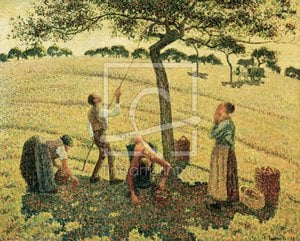
Magnificent obraz Camille'a Pissarro przedstawiający spokojną scenę nad Moreckim Mostem z drzewami i ludźmi – klasyka impresjonizmu, dostępna na WikiArt!

Camille Pissarro – pionier impresjonizmu i neoimpresjonizmu. Jego obrazy przedstawiają życie codzienne, krajobrazy i pejzaże. Wpływ na Cézanne'a, Van Gogha i innych! Odkryj jego świat.

Giclée / Wydruk artystyczny

Wydruki giclée lub płótna o jakości muzealnej, szybka realizacja i szeroki wybór opcji wykończenia. ( Zamów ręcznie malowaną reprodukcję Przejdź do wersji cyfrowej)

Corner sample of the P118B picture frame: polistyren formowany, 5 cm wide and 3 cm thick
P118B zł10
Corner sample of the P118H picture frame: polistyren formowany, 5 cm wide and 3 cm thick
P118H zł10
Corner sample of the P118W picture frame: polistyren formowany, 5 cm wide and 3 cm thick
P118W zł10
Corner sample of the P438Z picture frame: polistyren formowany, 5.5 cm wide and 3.5 cm thick
P438Z zł10
Corner sample of the P508JH picture frame: polistyren formowany, 7 cm wide and 3.5 cm thick
P508JH zł12
Corner sample of the P508YH picture frame: polistyren formowany, 7 cm wide and 3.5 cm thick
P508YH zł12
Corner sample of the P805H picture frame: polistyren formowany, 5 cm wide and 3.5 cm thick
P805H zł10
Corner sample of the P805Z picture frame: polistyren formowany, 5 cm wide and 3.5 cm thick
P805Z zł10
Corner sample of the P919BZ picture frame: polistyren formowany, 7 cm wide and 3.5 cm thick
P919BZ zł10
Corner sample of the P919G picture frame: polistyren formowany, 7 cm wide and 3.5 cm thick
P919G zł10
Corner sample of the P919XJ picture frame: polistyren formowany, 7 cm wide and 3.5 cm thick
P919XJ zł10
Corner sample of the P959ZH picture frame: polistyren formowany, 5 cm wide and 3 cm thick
P959ZH zł10
Corner sample of the P968JZ picture frame: polistyren formowany, 6 cm wide and 4 cm thick
P968JZ zł12
Corner sample of the W106C picture frame: lite drewno, 5 cm wide and 3 cm thick
W106C zł8
Corner sample of the W218G picture frame: lite drewno, 5 cm wide and 3 cm thick
W218G zł10
Corner sample of the W218JH picture frame: lite drewno, 5 cm wide and 3 cm thick
W218JH zł8
Corner sample of the W218Y picture frame: lite drewno, 5 cm wide and 3 cm thick
W218Y zł10
Corner sample of the W307PJ picture frame: lite drewno, 6 cm wide and 3 cm thick
W307PJ zł10
Corner sample of the W316G picture frame: lite drewno, 6 cm wide and 3 cm thick
W316G zł10
Corner sample of the W316PJ picture frame: lite drewno, 6 cm wide and 3 cm thick
W316PJ zł8
Corner sample of the W316Y picture frame: lite drewno, 6 cm wide and 3 cm thick
W316Y zł10
Corner sample of the W398PJ picture frame: lite drewno, 5 cm wide and 3 cm thick
W398PJ zł8
Corner sample of the W4111J picture frame: lite drewno, 6.5 cm wide and 3.5 cm thick
W4111J zł10
Corner sample of the W500HY picture frame: lite drewno, 7 cm wide and 5 cm thick
W500HY zł15
Corner sample of the W500JH picture frame: lite drewno, 7 cm wide and 5 cm thick
W500JH zł15
Corner sample of the W692G picture frame: lite drewno, 8 cm wide and 4 cm thick
W692G zł12
Corner sample of the W849H picture frame: lite drewno, 5 cm wide and 3 cm thick
W849H zł8
Corner sample of the W940BG picture frame: lite drewno, 7.5 cm wide and 4.5 cm thick
W940BG zł15
Corner sample of the W953PJ picture frame: lite drewno, 6 cm wide and 3.5 cm thick
W953PJ zł8

Standardowy format
personalizowane
CM
INCH

Wybierz spośród naszych standardowych rozmiarów, które zachowują oryginalne proporcje dzieła sztuki.

szerokość
wysokość

Wpisz wymaganą szerokość i wysokość, aby dopasować grafikę do ramy lub ściany. Wydruk można jedynie przyciąć, nigdy nie powiększając go poza oryginalny obraz, dlatego format o innych proporcjach spowoduje utratę części kompozycji. Przed rozpoczęciem druku prześlemy Ci cyfrowy podgląd do zatwierdzenia. Obraz wyświetlany na tej stronie nie pokazuje rzeczywistego przycięcia — jedynie podgląd oddaje ten efekt.

Dostawa na cały świat () w ciągu 2 tygodni zamiast standardowych 4/5 tygodni. (9 Listopad)

Bezpłatna ekspresowa wysyłka na cały świat
Wysokiej jakości płótno lniane
Pełne ubezpieczenie przesyłki
Gwarancja zwrotu należności celnych i podatków importowych
Gwarancja wiernego odwzorowania kolorów
100-dniowa polityka zwrotów (tylko w przypadku wad)
Gwarancja 100% zwrotu pieniędzy
Zniżka przy zakupie wielu sztuk

Suma całkowita

zł 270

Most Morecki

Giclée / Wydruk artystyczny

Wymiary reprodukcji

-

Cena całkowita

zł 270

Najważniejsze informacje

  • Influences:
    • Gustave Courbet
    • Jean-Baptiste-Camille Corot
  • Medium: Oil on Canvas
  • Location: Private Collection
  • Artist: Kamille Pissarro
  • Year: 1888

Quiz o sztuce

Do każdego pytania dotyczy tylko jedna poprawna odpowiedź.

Pytanie 1:
Jak nazywa się obraz Camille’a Pissarro?
Pytanie 2:
W jakim stylu został stworzony obraz?
Pytanie 3:
Kiedy powstał obraz?
Pytanie 4:
Czy obraz przedstawia krajobraz?
Pytanie 5:
Jaki jest główny temat obrazu?

Przepiękny krajobraz Camille'a Pissarro’ego – „Most Moreta”

„Most Moreta”, stworzony w roku 1888 przez Camille’a Pissarro’ego, stanowi doskonały przykład impresjonizmu francuskiego. Obraz przedstawia spokojną scenę nad wodą, otoczoną drzewami i górującą drewnianym mostem – motywem charakterystycznym dla twórczości tego znakomitego malarza. Jego dzieła znajdują się w licznych muzeach Europy Zachodniej, m.in. w Galerii Sztuki Leeds, gdzie można podziwiać jego wyjątkową umiejętność uchwycenia piękna natury i atmosfery chwili. ### Inspiracja Przyrody i Styl Impresjonizmu Pissarro był jednym z pionierów impresjonizmu, ruchu artystycznego skupionego na oddaniu ulotnych efektów światła i koloru. Jego sztuka odzwierciedla filozofię obserwacji rzeczywistości, zamiaru wiernego odwzorowania jej szczegółów. Inspiracją dla „Mostu Moreta” była okolica Moret – niewielkie miasteczko Francji, gdzie Pissarro często malował krajobrazy i sceny codziennego życia. Jego twórczość wyróżnia się delikatną fakturą obrazową oraz zastosowaniem jasnych kolorów, które tworzą atmosferę ciepła i spokoju. Szczególną uwagę należy zwrócić na sposób wykorzystania światła – szczególnie efektowne są refleksy słoneczne odbijające się na powierzchni wody i drzewach. ### Technika Olejowa i Szczegółowe Obserwacje „Most Moreta” został wykonany techniką olejową na płótnie, co pozwala uzyskać głębokie kolory i doskonałą szczegółowość obrazu. Pissarro wykorzystał obserwację natury jako podstawę swojej twórczości, dokładnie studiując krajobraz i jego zmiany zależne od pogody oraz pór roku. Jego umiejętność uchwycenia atmosfery chwili jest niezwykle imponująca – widzimy tutaj nie tylko piękno krajobrazu, ale także emocje związane z codziennym życiem i aktywnością ludzi. Szczególną uwagę zwrócono na dokładną reprodukcję faktury drzew i wody, co dodaje obrazowi autentyczności i przekazuje jego atmosferę. ### Symbolizm Krajobrazu i Jego Znaczenie Kulturowe Krajobraz przedstawiony na „Moście Moreta” posiada głębokie znaczenie kulturowe i symboliczne. Most samotnie górujący nad wodą reprezentuje połączenie z naturą oraz przemijające piękno chwili obecnej. Drzewa otaczające most symbolizują siłę życia i odporność na czas, natomiast spokojna powierzchnia wody odzwierciedla wewnętrzny spokój i harmonię. Obraz zachęca do refleksji nad wartościami estetycznymi oraz naturą ludzkiego doświadczenia – przypomina nam o konieczności doceniania piękna świata zewnętrznego i wewnętrznego. ### Zamówienie Reprodukcji „Mostu Moreta” - Klasyka Impresjonizmu Dla Twojego Domu Jeśli fascynujesz się sztuką impresjonizmu i chcesz ozdobić swój dom dziełem prawdziwej klasyki, zamów reprodukcję „Mostu Moreta”. Oferujemy wysokiej jakości wydruki na płótnie oraz papierze fotograficznym, które pozwolą Ci podziwiać piękno obrazu Camille’a Pissarro’ego w sposób wierny oryginałowi. Dzięki temu będziesz mógł cieszyć się atmosferą spokoju i ciepła francuskiego krajobrazu przez długie lata. Znajdziesz więcej informacji na naszej stronie: https://AllPaintingsSto

Pytania i odpowiedzi

Jaki poziom luminancji ma „Most Morecki” – Kamille Pissarro?

Jasność zarejestrowana dla „Most Morecki” – Kamille Pissarro wynosi Ciemny.

Ile lat miał(a) Kamille Pissarro, tworząc "Most Morecki" w 1888 roku?

Kamille Pissarro miał 58 lat w momencie powstania „Most Morecki” w 1888. Wiek ten obliczono na podstawie roku urodzenia artysty, 1830.

Jaką kolorystykę wykorzystuje "Most Morecki"?

Paleta dzieła „Most Morecki” – Kamille Pissarro jest opisywana jako Barwy ziemi. Stanowi ona zwięzłe zestawienie barw użytych w pracy.


Biografia artysty

A Life Rooted in Observation: The World of Camille Pissarro

Camille Pissarro, a name synonymous with both the birth and evolution of Impressionism, was an artist whose life mirrored the shifting landscapes he so devotedly captured on canvas. Born Jacob Abraham Camille Pissarro on July 10, 1830, in Charlotte Amalie, St. Thomas – then part of the Danish West Indies, now the US Virgin Islands – his origins were as diverse and vibrant as the scenes that would later define his artistic vision. His father, a Portuguese Jewish merchant with French nationality, and his mother, from a French-Jewish family on the island, instilled in him a unique cultural heritage. This upbringing, somewhat unconventional due to familial complexities, fostered an early sensitivity to the world around him, a quality that would become the cornerstone of his artistic practice. His initial formal training at the Savary Academy near Paris provided a foundation in traditional techniques, but it was his return to St. Thomas and subsequent work as a cargo clerk that truly ignited his passion for observation. The bustling harbor, the vibrant local life, and the raw beauty of the Caribbean landscape became his first subjects, shaping an eye keenly attuned to the nuances of everyday existence.

From Realism to Revolution: Artistic Development

Pissarro’s artistic journey was one of constant exploration and refinement. After a period assisting Danish painter Anton Melbye in Paris, he immersed himself in the works of masters like Gustave Courbet, Jean-Baptiste-Camille Corot, and Honoré Daumier – artists who championed realism and social commentary. He initially sought acceptance within the established art world, exhibiting at the Paris Salon, but soon found its constraints stifling. A pivotal moment came with his embrace of *plein air* painting—working outdoors directly from nature—a practice encouraged by Corot that would become central to Impressionism. This shift wasn’t merely technical; it represented a philosophical change, a desire to capture the fleeting effects of light and atmosphere, the very essence of a scene rather than its precise representation. He began experimenting with looser brushwork and brighter palettes, moving away from academic conventions towards a more subjective and expressive style. His early landscapes, though still grounded in realism, hinted at the revolutionary path he was about to forge. This period saw him grappling with finding his own voice amidst the burgeoning artistic ferment of Paris, a city undergoing rapid transformation that provided endless inspiration.

The Father Figure of Impressionism

Camille Pissarro wasn’t simply *an* Impressionist; he was arguably its most steadfast and unifying force. Uniquely, he exhibited at all eight Paris Impressionist exhibitions between 1874 and 1886, acting as a stabilizing presence within a group often characterized by internal disagreements and individual ambitions. He wasn’t merely present—he actively encouraged his fellow artists, offering support, guidance, and a much-needed sense of camaraderie. This earned him the affectionate nickname “the father figure” of the movement. His commitment to artistic freedom and innovation was unwavering, even in the face of critical scorn and public indifference. He believed in the power of collective action and championed the idea of artists exhibiting independently from the Salon’s restrictive rules. Beyond his own work, Pissarro's influence extended to a younger generation of artists, including Paul Cézanne, Vincent van Gogh, and Paul Gauguin, whom he mentored and profoundly impacted. He provided them with not only technical advice but also a philosophical framework for their artistic explorations. His willingness to experiment led him briefly into Neo-Impressionism, influenced by Georges Seurat and Paul Signac’s pointillist techniques, before ultimately returning to a more personal style that blended his earlier influences with new discoveries.

Landscapes of Life: Themes and Legacy

Pissarro's artistic output was remarkably diverse, yet consistently focused on the world around him. He is celebrated for his depictions of both rural and urban landscapes, often portraying scenes of everyday life—peasants working in fields, bustling Parisian streets, quiet village squares. His paintings weren’t simply picturesque views; they were social commentaries, reflecting his deep empathy for the working class and his commitment to depicting their lives with dignity and respect.
  • Landscapes: Renowned for capturing the beauty of both countryside and city life.
  • Scenes of Parisian Life: Vivid portrayals of a rapidly changing metropolis.
  • Peasant Life: Reflecting his social consciousness and empathy for the working class.
His later works, particularly those created during periods of political unrest or personal hardship, often carry a sense of melancholy and social critique. Pissarro’s legacy extends far beyond his beautiful paintings. He was a champion of artistic freedom, a mentor to generations of artists, and a pioneer in the development of modern art. His commitment to *plein air* painting revolutionized landscape art, while his willingness to experiment with different styles demonstrated his intellectual curiosity and unwavering dedication to his craft. Camille Pissarro’s art is not merely a record of the world as it was; it is a testament to the power of observation, empathy, and artistic innovation.
Kamille Pissarro

Kamille Pissarro

1830 - 1903 , Stany Zjednoczone Wyspy Dziewicze

Krótka nota

  • Artistic Movement Or Style: Impresjonizm, Neo-Impresjonizm
  • Artists Or Movements Influenced By This Artist:
    • Cézanne
    • Van Gogh
    • Gauguin
  • Artists Who Influenced This Artist:
    • Courbet
    • Corot
    • Daubigny
  • Date Of Birth: 10 lipca 1830
  • Date Of Death: 13 listopada 1903
  • Full Name: Camille Pissarro
  • Nationality: Dansk-Francuz
  • Notable Artworks:
    • Boulevard Montmartre
    • Norwood pod śniegiem
  • Place Of Birth: Charlotte Amalie, Francja
Odkryj dzieła sztuki uporządkowane według tematów, stylów i cech charakterystycznych.