Wydruki giclée lub płótna o jakości muzealnej, szybka realizacja i szeroki wybór opcji wykończenia. ( Zamów ręcznie malowaną reprodukcję Przejdź do wersji cyfrowej)





























Wybierz spośród naszych standardowych rozmiarów, które zachowują oryginalne proporcje dzieła sztuki.

Wpisz wymaganą szerokość i wysokość, aby dopasować grafikę do ramy lub ściany. Wydruk można jedynie przyciąć, nigdy nie powiększając go poza oryginalny obraz, dlatego format o innych proporcjach spowoduje utratę części kompozycji. Przed rozpoczęciem druku prześlemy Ci cyfrowy podgląd do zatwierdzenia. Obraz wyświetlany na tej stronie nie pokazuje rzeczywistego przycięcia — jedynie podgląd oddaje ten efekt.
Dostawa na cały świat () w ciągu 2 tygodni zamiast standardowych 4/5 tygodni. (17 Listopad)
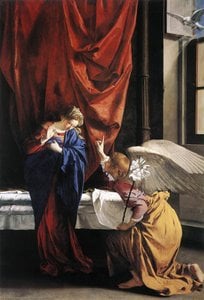
The Annunciation
Wymiary reprodukcji
To stand before this depiction of The Annunciation is to step across the threshold into a moment suspended between the earthly and the divine. Bernardo Strozzi, master of the Italian Baroque, has captured not merely an event, but a profound spiritual resonance. The scene unfolds with breathtaking narrative tension: the Virgin Mary, poised in contemplation, receiving the monumental news that will alter the course of human history. Her gentle focus upon the book she holds suggests a life already steeped in sacred knowledge, grounding the miraculous within the realm of scholarly devotion.
The composition is richly populated, drawing the viewer into its intimate drama. The angel, an embodiment of celestial messenger, extends his hand with palpable grace toward Mary. This gesture is more than mere communication; it is a conduit for divine will, rendered with Strozzi’s characteristic dramatic flair. Observe the surrounding figures—those witnesses on either side—whose varied gazes and postures serve to amplify the gravity of the moment, creating a vibrant tapestry of human reaction to the sublime.
Painted in 1643, this work sits squarely within the heart of the Baroque period, an era defined by emotional intensity, dramatic movement, and heightened theatricality. Strozzi, whose career saw him traverse Genoa and ultimately flourish in Venice, masterfully employs the techniques that characterize this style. While his early training provided a solid foundation, it is here that his mature handling of light and shadow—the very essence of Baroque drama—shines through. The interplay between illuminated skin tones and the deeper, more shadowed folds of drapery gives the scene an almost tangible dimensionality.
The technique itself speaks to skilled craftsmanship. Strozzi’s ability to render textures—from the soft fall of Mary's garments to the implied sheen on the angel's robes—is remarkable. It is a painting that demands close viewing, rewarding the observer with details that reveal layers of artistic intention.
Every element within this canvas seems imbued with symbolic weight. The book Mary studies represents scripture and divine law, suggesting that her acceptance of God's plan is an act both miraculous and intellectually understood. The presence of the decorative object near the bottom right corner, perhaps a vase or altar piece, anchors the sacred narrative within a recognizable, richly furnished domestic or chapel setting. These details prevent the scene from feeling purely ethereal; instead, they root the divine mystery in a tangible, beautiful reality.
The overall emotional impact is one of hushed awe. It is not the bombast of pure ecstasy, but rather the profound quietude that follows revelation—a moment where the soul stills itself before the infinite. This balance between dramatic action and serene contemplation makes it endlessly captivating to the modern eye.
For those seeking an artwork that transcends mere decoration, this reproduction offers a window into Counter-Reformation spirituality rendered with unparalleled artistic vigor. Its scale (145 x 120 cm) allows it to command attention in a grand hall or a richly appointed study, serving as the focal point for contemplation. Owning a piece echoing Strozzi’s genius means acquiring not just pigment on canvas, but a narrative of faith, drama, and masterful technique—a timeless conversation starter that speaks volumes about an appreciation for history's greatest artistic achievements.
Kolorem, który najbardziej wyróżnia się w "The Annunciation", jest Quinacridone Magenta (#745a49). Dominujący kolor ułatwia dopasowanie dzieła sztuki do wnętrza.
Jasność zarejestrowana dla „The Annunciation” – Bernardo Strozzi wynosi Gentle Luminance.
Format dzieła "The Annunciation" to Portrait, a wymiary oryginału wynoszą 145 x 120 cm. Obie te informacje są przydatne przy planowaniu reprodukcji.


1581 - 1644 , Włochy

Journey through the divine elegance of Duccio di Buoninsegna. Explore 25 iconic Sienese masterpieces, from the Maestà to the Rucellai Madonna. Find inspiration for museum-quality art reproductions and timeless decor. Discover all masterpieces on WahooArt.com.

Immerse yourself in the divine beauty of the Italian Renaissance. Explore 25 iconic Fra Angelico masterpieces, from ethereal frescoes to sacred panel paintings. Find inspiration and museum-quality art reproductions for your decor. Discover all masterpieces on WahooArt.com.
Explore the profound beauty of sacred art through a curated journey of masterpieces. From Renaissance iconography to Baroque drama, discover how history's greatest artists captured the divine presence in timeless works of spiritual transcendence.

Explore the profound drama of Baroque art through the lens of chiaroscuro and intense emotion. Discover the mastery of light, shadow, and tenebrism in this expert guide to one of history's most captivating eras.
 Podgląd w skali 1:1
 Wyślij jako kartkę
 Udostępnij
 Szczegóły dzieła
 Przewodnik

 Pobierz obraz
 Podobne obiekty
 RTG
RTG Pokaz slajdów
 Pytania i odpowiedzi
 Statystyki


 Rozwiń treść









 Opcja ze szkłem jest dostępna wyłącznie w rozmiarach poniżej 110 cm