DARMOWA KONSULTACJA ARTYSTYCZNA

x
Zamów wydruk Zamów wydrukZamów reprodukcję Zamów reprodukcję UdostępnijUdostępnij
SzczegółySzczegóły Dodaj do ulubionych Dodaj do ulubionych PobierzPobierz Podobne obiektyPodobne obiekty RTGRTG Pokaz slajdówPokaz slajdów

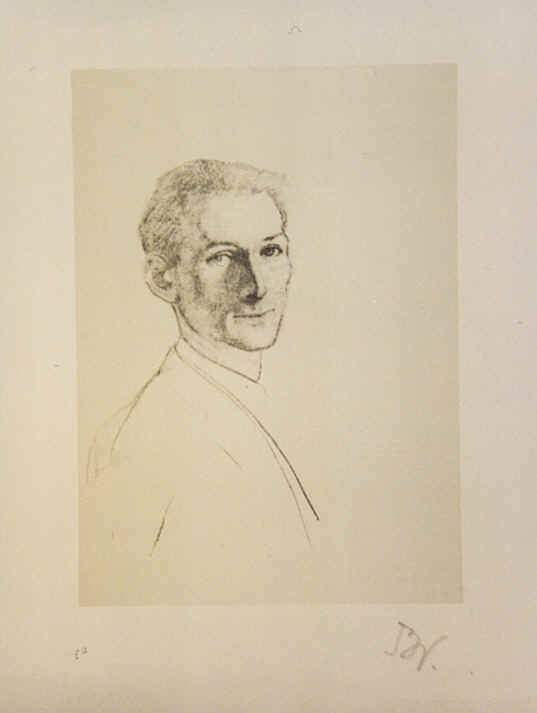
Self-portrait

Explore Balthus’s enigmatic self-portrait – a classical pencil sketch capturing understated elegance & psychological depth. Discover this unique artwork's style & legacy.

Balthus – kontrowersyjny malarz z Francji i Polski. Znany z erotycznych portretów młodych dziewcząt, surrealistycznych kompozycji i mistrzowskiego stylu klasycznego. Odkryj jego fascynujący świat!

Kup wysokiej rozdzielczości, ulepszony obraz cyfrowy, znacznie lepszy niż podgląd online.

Każdy plik jest starannie przygotowywany przez naszych specjalistów przy użyciu zaawansowanych narzędzi oraz profesjonalnej, ręcznej retuszy. Dbamy o to, aby każdy obraz cechował się wyjątkową ostrością, precyzyjnym odwzorowaniem kolorów i subtelnymi detalami.

Ostateczny plik dostarczany jest drogą mailową w ciągu 72 godzin, zoptymalizowany do natychmiastowego wykorzystania w profesjonalnych zastosowaniach redakcyjnych i poligraficznych. To ta sama jakość, której ufają czołowe studia projektowe, wydawnictwa oraz galerie sztuki.

Obraz cyfrowy

Pobierz plik o wysokiej rozdzielczości do osobistego wyświetlania, druku oraz projektów kreatywnych.

Suma do zapłaty

$9.99

Zawarte w każdym zamówieniu na obraz cyfrowy

Profesjonalna dostawa cyfrowa, gwarantowana

Wybierając WahooArt.com, nie otrzymujesz jedynie obrazu – otrzymujesz profesjonalnie udoskonalone cyfrowe dzieło sztuki, stworzone z najwyższą precyzją i objęte gwarancją satysfakcji. Oto wszystko, co automatycznie dołączane jest do Twojego zamówienia:

shipping_icon
Błyskawiczna wysyłka e-mailowa

Plik z obrazem cyfrowym w wysokiej rozdzielczości zostanie przesłany na Twój adres e-mail w ciągu 72 godzin od złożenia zamówienia – gotowy do natychmiastowego użycia.

canvas_icon
Plik cyfrowy wzbogacony przez AI

Twoja grafika została profesjonalnie zoptymalizowana przy użyciu zaawansowanych narzędzi AI oraz ręcznej edycji, co zapewnia maksymalną szczegółowość, klarowność i wierność kolorów.

insurance_icon
Dożywotnia darmowa ponowna dostawa

Przypadkowo usunąłeś lub zgubiłeś swój plik? Bez obaw – prześlemy go Tobie ponownie w dowolnym momencie, bez żadnych opłat.

tax_icon
Bez opłat importowych – zawsze

Ciesz się swoją sztuką natychmiast, bez żadnych opłat celnych, należności ani kosztów dostawy – pliki cyfrowe są zawsze wolne od podatku.

color_icon
Gwarancja wierności kolorów

Dzięki zastosowaniu profesjonalnych narzędzi i procesów zarządzania barwą zapewniamy, że Twoje cyfrowe zdjęcie odzwierciedla oryginalne kolory tak wiernie, jak to tylko możliwe.

return_icon
60-dniowa gwarancja satysfakcji

Jeśli nie będziesz zadowolony ze swojego cyfrowego obrazu, poprawimy go lub zwrócimy 100% kosztów w ciągu 60 dni – bez żadnych pytań.

guarantee_icon
100% Gwarancja zwrotu pieniędzy

Nie zadowoleni? Otrzymaj pełny zwrot kosztów w ciągu 60 dni od otrzymania pliku cyfrowego – bez zbędnych pytań.

discount_icon
Rabaty na zamówienia hurtowe

Kup 3 obrazy, oszczędź 10% - Kup 5, oszczędź 15% - Kup 10+, oszczędź 20%. Idealne do projektów kreatywnych, galerii i agencji.


Biografia artysty

A World Apart: The Enigmatic Vision of Balthus

Balthasar Klossowski de Rola, universally known as Balthus, remains one of the most compelling and controversial figures in 20th-century art. Born in Paris on February 29, 1908, into a family steeped in intellectual and artistic circles, his life was marked by an early immersion in culture and a deliberate rejection of prevailing artistic trends. His father, Erich Klossowski, was a respected art historian, while his mother, Baladine Klossowska, was a painter herself, fostering an environment where aesthetic contemplation was not merely encouraged but lived. This upbringing instilled in the young Balthus a deep reverence for the Old Masters and a skepticism towards the burgeoning avant-garde movements that dominated the Parisian scene. He wasn’t interested in breaking with tradition; rather, he sought to revitalize classical forms with a distinctly modern sensibility, creating a world uniquely his own—a world often unsettling, always captivating.

Formative Years and Artistic Awakening

Balthus's early life was nomadic, disrupted by the outbreak of World War I and his parents’ subsequent separation. These experiences instilled in him a sense of displacement and introspection that would profoundly influence his artistic vision. He began drawing at a remarkably young age, demonstrating an exceptional talent for capturing form and atmosphere. Mentored by Rainer Maria Rilke during his mother's relationship with the poet, Balthus received encouragement to pursue his artistic inclinations. This period was crucial in shaping his aesthetic sensibilities; Rilke’s poetic explorations of inner life resonated deeply with the young artist, fostering a fascination with psychological depth and symbolic resonance. He absorbed influences from diverse sources—pre-Renaissance Italian painters like Piero della Francesca and Simone Martini, as well as literary figures such as Emily Brontë and Lewis Carroll—creating a unique artistic language that defied easy categorization. His early works already hinted at the themes that would define his career: adolescence, solitude, and the complex interplay between innocence and desire. The influence of Rilke’s melancholic beauty is particularly evident in Balthus's early landscapes, which possess a haunting stillness and an almost unbearable sense of longing.

Controversy and Recognition

Balthus first exhibited publicly in 1934, presenting a body of work that immediately sparked controversy. Paintings like *The Guitar Lesson*, with its ambiguous depiction of a young girl receiving instruction from an older man, ignited debate about the artist’s intentions and the nature of his gaze. Critics were divided, some condemning the perceived eroticism while others praised the painting's psychological complexity and technical mastery. The subject matter itself – a seemingly innocent scene imbued with a subtle undercurrent of tension – became a focal point of discussion. This controversy, however, only served to solidify Balthus’s reputation as a provocative and unconventional artist. He deliberately cultivated an air of mystery around himself, resisting attempts at biographical interpretation and insisting that his paintings should be experienced directly, without the filter of external commentary. Throughout the 1930s and 40s, he continued to develop his distinctive style, characterized by elongated figures, dramatic lighting, and a meticulous attention to detail. His compositions often featured young girls in states of reverie or contemplation, their poses both graceful and unsettling. The paintings were not simply portraits; they were explorations of mood, memory, and the unspoken anxieties of youth.

A Legacy of Introspection and Influence

Despite remaining somewhat aloof from the mainstream art world, Balthus achieved significant recognition during his lifetime. He held major exhibitions at the Museum of Modern Art in New York (1956) and throughout Europe, solidifying his position as a leading figure in 20th-century painting. In 1977, he was appointed director of the Académie de France in Rome, a prestigious post that further cemented his status within the artistic establishment. His influence can be seen in the work of numerous contemporary artists, including Jan Saudek, Will Barnet, Duane Michals, and John Currin, who share his interest in figurative painting, psychological realism, and the exploration of complex emotional states. Balthus’s enduring appeal lies not only in his technical virtuosity but also in his ability to tap into universal human experiences—the longing for connection, the fear of isolation, and the search for meaning in a chaotic world. His work continues to be studied and debated, revealing new layers of complexity with each viewing.

Key Works and Enduring Themes

Throughout his career, Balthus consistently returned to certain motifs and themes. *La Rue* (1933) exemplifies his early mastery of composition and atmosphere, depicting a street scene with an unsettling sense of isolation. *The Mountain* (1937), a monumental work featuring two adolescent girls in a stark landscape, embodies the artist’s fascination with youth and solitude. Later works, such as *Girl at a Window* (1957) – famously featured in François Truffaut's film Domicile Conjugal – showcase his ability to capture fleeting moments of introspection and vulnerability. His paintings are often characterized by a sense of stillness and silence, inviting viewers to contemplate the inner lives of his subjects. He was also deeply influenced by music, particularly the works of Wolfgang Amadeus Mozart, which he believed reflected the same balance between order and emotion that he sought to achieve in his art. Balthus’s enduring appeal lies not only in his technical skill but also in his ability to create images that resonate with a profound sense of mystery and emotional depth. His paintings are not merely representations; they are windows into a world of dreams, anxieties, and unspoken desires—a testament to the enduring power of art to challenge our perceptions and illuminate the hidden corners of the human soul.
Balthus

Balthus

1908 - 2001 , Francja

Krótka nota

  • Artistic Movement Or Style: Klasyczny, Figuracyjny
  • Artists Or Movements Influenced By This Artist:
    • Rilke
    • Surrealizm
  • Artists Who Influenced This Artist:
    • Masaccio
    • Piero
    • Ingres
  • Date Of Birth: 29 lutego 1908
  • Date Of Death: 18 lutego 2001
  • Full Name: Balthasar Klossowski de Rola
  • Nationality: Francuz-Polak
  • Notable Artworks:
    • La Rue
    • Góra
    • Dziewczyna
    • Okno
  • Place Of Birth: Paryż, Francja