DARMOWA KONSULTACJA ARTYSTYCZNA

x
Zamów reprodukcję Zamów reprodukcjęKup cyfrowy obraz Kup cyfrowy obraz UdostępnijUdostępnij
DetailsDetails Dodaj do ulubionych Dodaj do ulubionych PobierzPobierz Podobne obiektyPodobne obiekty X-RayX-Ray Pokaz slajdówPokaz slajdów

Landscape

Augustus Edwin John (1878-1961) – walijski malarz znany z portretów i murali. Jego twórczość charakteryzuje się żywymi kolorami, ekspresją i oddaniem psychiki modeli. Uznawany za jednego z najważniejszych przedstawicieli postimpresjonizmu w Anglii.

Giclée / Wydruk artystyczny

Druk giclée lub płótno o jakości muzealnej z szybką realizacją i szerokim wyborem opcji wykończenia.

P118B $10
P118H $10
P118W $10
P438Z $10
P508JH $12
P508YH $12
P805H $10
P805Z $10
P919BZ $10
P919G $10
P919XJ $10
P959ZH $10
P968JZ $12
W106C $8
W218G $10
W218JH $8
W218Y $10
W307PJ $10
W316G $10
W316PJ $8
W316Y $10
W398PJ $8
W4111J $10
W500HY $15
W500JH $15
W692G $12
W849H $8
W940BG $15
W953PJ $8

Standard
custom
CM
INCH

Wybierz spośród naszych predefiniowanych rozmiarów, które zachowują oryginalne proporcje dzieła sztuki.

szerokość
wysokość

Możesz wprowadzić własne wymiary, aby dopasować dzieło do konkretnej ramy lub przestrzeni. Jeśli wybrany rozmiar nie będzie odpowiadał proporcjom oryginalnego obrazu, przytniecie dzieło lub rozszerzymy obraz za pomocą odbicia lustrzanego lub jednolitego wypełnienia krawędzi. Przed rozpoczęciem produkcji prześlemy cyfrową wizualizację do Twojej akceptacji.
Prosimy pamiętać, że podgląd na ekranie nie odzwierciedla faktycznego przycinania ani rozszerzania. Tylko wizualizacja dokładnie pokaże końcową kompozycję.
Mimo dostępności niestandardowych rozmiarów, zalecamy wybór wymiaru z listy zdefiniowanej, aby zachować oryginalne proporcje.

Dostawa na cały świat () w ciągu 2 tygodni zamiast standardowych 4/5 tygodni. (2 Lipiec)

why_choose_icon
Bezpłatna ekspresowa wysyłka na cały świat
why_choose_icon
Wysokiej jakości płótno lniane
why_choose_icon
Pełne ubezpieczenie przesyłki
why_choose_icon
Gwarancja zwrotu należności celnych
why_choose_icon
Gwarancja pełnego zgodności kolorystycznej
why_choose_icon
Polityka 60-dniowego zwrotu (tylko w przypadku wad)
why_choose_icon
Gwarancja 100% zwrotu pieniędzy
why_choose_icon
Zniżka przy większych zamówieniach

Suma całkowita

-

reproduction

Landscape

Giclée / Wydruk artystyczny

Wymiary reprodukcji

-

Cena całkowita

-

Szybkie fakty

  • Dimensions: 32 x 39 cm
  • Influences: Henry Tonks
  • Subject or theme: Rural Scene; Sunset
  • Artistic style: Romantic Landscape Painting
  • Artist: Augustus Edwin John
  • Movement: Post-Impressionism

Quiz o sztuce

Na każde pytanie istnieje tylko jedna poprawna odpowiedź.

Pytanie 1:
What artistic movement is Augustus Edwin John’s ‘Landscape’ primarily associated with?
Pytanie 2:
The painting depicts a scene during what time of day?
Pytanie 3:
What prominent figure at Slade School of Fine Art influenced John’s artistic development?
Pytanie 4:
The image description highlights the artist's skillful use of color to convey what feeling?
Pytanie 5:
Where can you find Grundy Art Gallery, which houses artworks by Augustus John and other notable artists?

Opis obiektu kolekcjonerskiego

Augustus Edwin John’s Landscape: A Symphony of Dusk

Augustus Edwin John's “Landscape,” created sometime in the early 20th century, stands as a testament to the enduring power of Impressionistic observation and masterful draughtsmanship. More than just a depiction of scenery—it’s an embodiment of mood, capturing the tranquil beauty of twilight with remarkable sensitivity.

The painting showcases a panoramic vista dominated by rolling hills bathed in the warm hues of sunset. A meandering river snakes its way through the landscape, reflecting the fiery sky above and adding depth to the composition. Scattered amongst the trees are carefully placed elements that contribute to the overall sense of serenity—a subtle reminder of John’s meticulous attention to detail.

Style & Technique: Impressionistic Precision

  • Style: Primarily Impressionistic, “Landscape” adheres to the tenets of this influential movement. Unlike its predecessors which prioritized precise realism, Impressionism sought to convey fleeting impressions of light and color—a challenge John expertly tackled.
  • Technique: John employed loose brushstrokes and blended pigments to achieve a luminous effect, prioritizing atmospheric perspective over meticulous rendering. The artist skillfully utilized glazing techniques – applying thin layers of translucent paint over underlying colors – to build up tonal variations and enhance the richness of the palette.

Historical Context & Artistic Influences

Born in Tenby, Wales, John’s artistic journey coincided with a period of significant change in British art. The Impressionist movement emerged as a reaction against academic conventions, championed by artists like Claude Monet and Pierre-Auguste Renoir who prioritized capturing the immediacy of experience. John's work reflects this spirit of innovation, drawing inspiration from plein air painting—working outdoors directly from nature—a practice that was gaining prominence during his time.

Symbolism & Emotional Resonance

"Landscape" transcends mere visual representation; it speaks to a deeper emotional core. The muted colors of the dusk sky evoke feelings of contemplation and peace, mirroring John’s own contemplative personality. The river symbolizes fluidity and continuity—a metaphor for life's journey—while the trees represent resilience and permanence amidst the ephemeral beauty of the natural world.

A Legacy of Tranquility

Reproductions of “Landscape” offer a captivating glimpse into John’s artistic vision, allowing viewers to experience the same sense of serenity and wonder that inspired its creation. Its understated elegance and masterful technique continue to resonate with collectors and interior designers alike—a timeless masterpiece deserving of admiration.

Podobne dzieła sztuki


Biografia artysty

A Welsh Bohemian: The Life and Art of Augustus Edwin John

Augustus Edwin John, a name synonymous with vibrant color and intensely personal portraits, emerged as one of the most distinctive figures in early 20th-century British art. Born on January 4, 1878, in Tenby, a charming coastal town nestled within the Pembrokeshire county of Wales, his life was a tapestry woven with artistic passion, bohemian adventures, and a profound connection to both the natural world and its marginalized communities. From his humble beginnings as the third child of Edwin William John, a solicitor, and Augusta Smith (who tragically died when he was just six years old), John’s early exposure to art—primarily through his elder sister Gwen’s drawing lessons—laid the foundation for a career that would challenge conventions and leave an indelible mark on the British artistic landscape.

Early Influences and Artistic Training

John's artistic journey began formally at the Tenby School of Art, where his innate talent quickly became evident. However, it was his enrollment at the Slade School of Fine Art in London in 1894 that truly shaped his development. Under the tutelage of Henry Tonks, a renowned and demanding instructor, John honed his draughtsmanship to an extraordinary degree, mastering the fundamentals of line, form, and perspective with remarkable precision. The Slade’s rigorous curriculum instilled in him a deep appreciation for academic tradition while simultaneously encouraging experimentation and innovation—a balance that would become characteristic of his artistic style. Crucially, during this period, John's exposure to the works of Old Masters like Peter Paul Rubens profoundly influenced his approach to composition, color, and dramatic lighting. Simultaneously, he absorbed the spirit of French Impressionists such as Matisse and Gauguin, embracing their use of vibrant hues and a rejection of traditional academic constraints. The subtle tonal harmonies of Puvis de Chavannes also resonated deeply with John’s aesthetic sensibilities, informing his ability to capture fleeting emotions and atmospheric effects. A pivotal moment arrived in 1897 when a diving accident in Tenby resulted in a severe head injury. This traumatic event dramatically altered John's personality, unleashing a newfound spontaneity and boldness that would become central to his artistic expression.

The Romani Connection and a Life Beyond the Studio

Following the Slade years, John embarked on a period of intense exploration, seeking inspiration beyond the confines of London’s art scene. He spent considerable time in France, immersing himself in the vibrant culture of Montmartre, and later found himself captivated by the landscapes and people of Provence. However, it was his encounter with the Romani (Gypsy) community that proved to be a transformative experience. Drawn to their nomadic lifestyle, rich traditions, and captivating spirit, John became deeply involved in documenting their lives through painting, photography, and extensive research. He traveled extensively throughout Europe and Britain, living alongside the Roma, learning their language, customs, and beliefs. This immersion profoundly impacted his art, imbuing it with a sense of freedom, wanderlust, and an appreciation for the beauty of the natural world—qualities that are particularly evident in works like *Air Mechanic Shaw* (1935), a powerful portrait of T.E. Lawrence capturing both his heroic stature and underlying vulnerability. His presidency of the Gypsy Lore Society further solidified his commitment to understanding and celebrating this often-misunderstood community.

A Portraitist of Distinction: Capturing the Essence of Character

While John’s engagement with Romani culture is undeniably significant, he is perhaps most celebrated for his extraordinary portraits. Possessing an uncanny ability to capture not just likeness but also the inner life of his subjects—their personality, mood, and fleeting emotions—John created some of the most psychologically astute and compelling portraits of the early 20th century. His style was characterized by a loose, expressive brushwork, vibrant colors, and a willingness to experiment with unconventional techniques. He famously described his approach as seeking an “instantaneous attitude,” striving to capture a momentary glimpse into the soul of his sitter. From aristocratic figures like Lord Leverhulme (whose notoriously unhappy portrait is a testament to John’s uncompromising honesty) to literary giants such as George Bernard Shaw and Dylan Thomas, John's portraits graced the walls of homes and galleries across Britain and beyond. Notable works include *Caspar* (1909), a poignant depiction of youthful innocence, and numerous studies of Gwen John, his sister and lifelong companion.

Legacy and Critical Reception

Throughout his career, Augustus Edwin John experienced both widespread acclaim and periods of critical fluctuation. Initially celebrated for his innovative oil sketching techniques and figure drawings, some critics later found his work to be overly flamboyant or lacking in painterly finesse. His service as a war artist during World War I, attached to the Canadian forces, yielded memorable portraits of soldiers, but an unfortunate incident led to his recall to England. Despite these challenges, John remained a significant force in British art history. He was one of the few artists of his time to achieve widespread public recognition and played a crucial role in popularizing Post-Impressionism within the United Kingdom. Awarded the Order of Merit in 1942, he also documented his life and artistic philosophy in two volumes of autobiography: *Chiaroscuro* (1952) and *Finishing Touches* (published posthumously in 1964). While his reputation waned somewhat after World War II, there has been a renewed appreciation for his work in recent years, particularly for the vibrancy and originality of his early pieces. Augustus Edwin John’s art continues to captivate and inspire, reminding us of the power of individual expression and the enduring allure of a life lived with passion and artistic integrity.
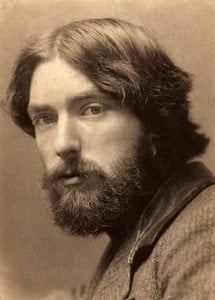
Augustus Edwin John

Augustus Edwin John

1878 - 1961 , Walia

Kluczowe informacje

  • Artistic Movement Or Style: Postimpresjonizm
  • Artists Or Movements Influenced By This Artist: ['Nowoczesne malarstwo brytyjskie']
  • Artists Who Influenced This Artist:
    • Rubens
    • Matisse
    • Gauguin
  • Date Of Birth: 4 stycznia 1878
  • Date Of Death: 31 października 1961
  • Full Name: Augustus Edwin John
  • Nationality: Walijski
  • Notable Artworks:
    • Caspar
    • Air Mechanic Shaw
    • David John
  • Place Of Birth: Tenby, Walia
Odkryj dzieła sztuki uporządkowane według tematów, stylów i cech charakterystycznych.