DARMOWA KONSULTACJA ARTYSTYCZNA

x
Zamów reprodukcję Zamów reprodukcjęKup cyfrowy obraz Kup cyfrowy obraz UdostępnijUdostępnij
SzczegółySzczegóły Dodaj do ulubionych Dodaj do ulubionych PobierzPobierz Podobne obiektyPodobne obiekty RTGRTG Pokaz slajdówPokaz slajdów

untitled

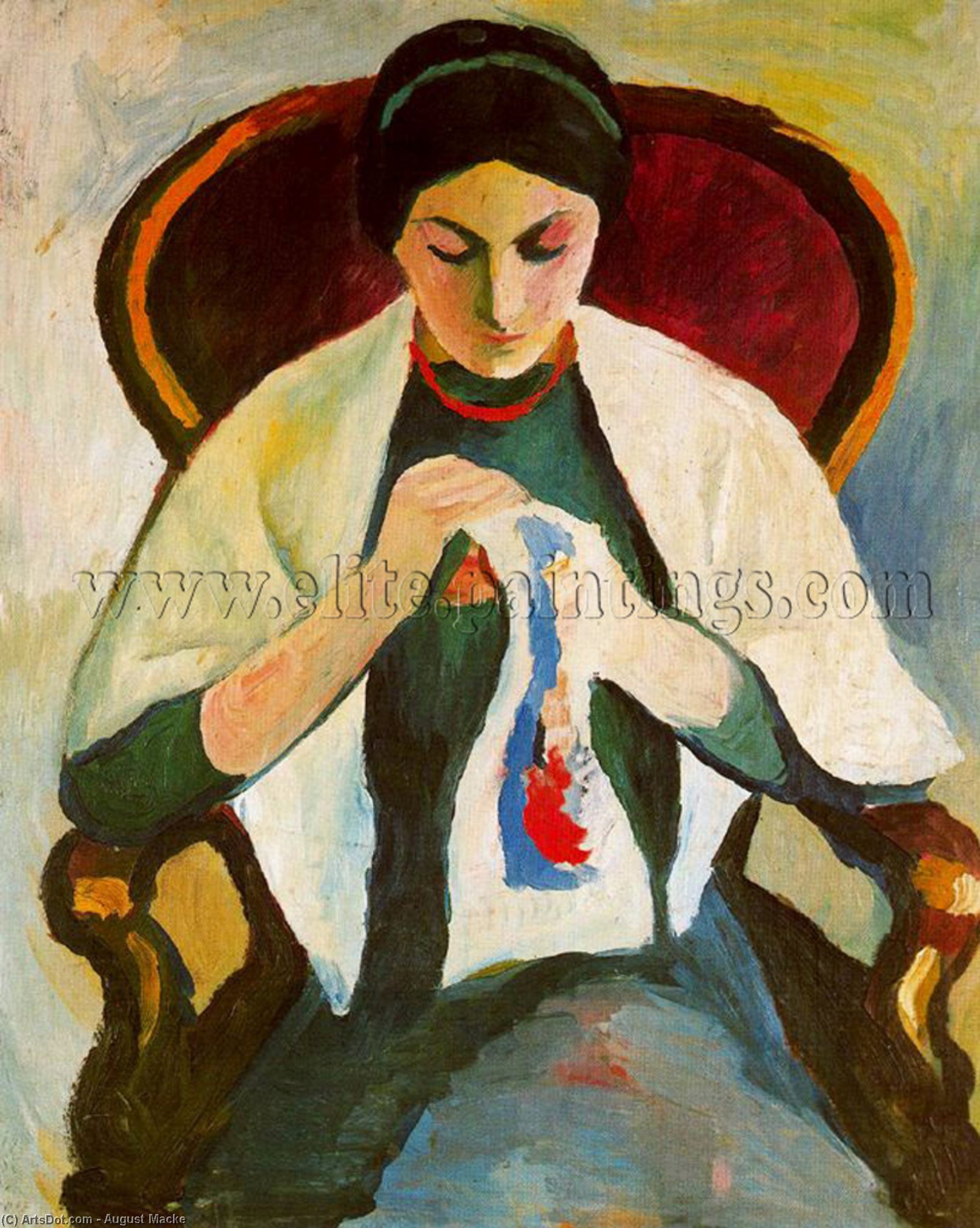
Admire this evocative portrait by August Macke, a master of Expressionism. Hand-painted reproduction capturing modern life's beauty. Explore German art history!

August Macke – niemiecki malarz ekspresjonista, znany z żywych kolorów i optymistycznych pejzaży. Jego twórczość inspirowana Der Blaue Reiter, Fauwizmem i Orfizmem. Tragiczna śmierć w I wojnie światowej.

Giclée / Wydruk artystyczny

Druk giclée lub płótno o jakości muzealnej z szybką realizacją i szerokim wyborem opcji wykończenia.

P118B $10
P118H $10
P118W $10
P438Z $10
P508JH $12
P508YH $12
P805H $10
P805Z $10
P919BZ $10
P919G $10
P919XJ $10
P959ZH $10
P968JZ $12
W106C $8
W218G $10
W218JH $8
W218Y $10
W307PJ $10
W316G $10
W316PJ $8
W316Y $10
W398PJ $8
W4111J $10
W500HY $15
W500JH $15
W692G $12
W849H $8
W940BG $15
W953PJ $8

Standard
custom
CM
INCH

Wybierz spośród naszych predefiniowanych rozmiarów, które zachowują oryginalne proporcje dzieła sztuki.

szerokość
wysokość

Możesz wprowadzić własne wymiary, aby dopasować dzieło do konkretnej ramy lub przestrzeni. Jeśli wybrany rozmiar nie będzie odpowiadał proporcjom oryginalnego obrazu, przytniecie dzieło lub rozszerzymy obraz za pomocą odbicia lustrzanego lub jednolitego wypełnienia krawędzi. Przed rozpoczęciem produkcji prześlemy cyfrową wizualizację do Twojej akceptacji.
Prosimy pamiętać, że podgląd na ekranie nie odzwierciedla faktycznego przycinania ani rozszerzania. Tylko wizualizacja dokładnie pokaże końcową kompozycję.
Mimo dostępności niestandardowych rozmiarów, zalecamy wybór wymiaru z listy zdefiniowanej, aby zachować oryginalne proporcje.

Dostawa na cały świat () w ciągu 2 tygodni zamiast standardowych 4/5 tygodni. (2 Lipiec)

why_choose_icon
Bezpłatna ekspresowa wysyłka na cały świat
why_choose_icon
Wysokiej jakości płótno lniane
why_choose_icon
Pełne ubezpieczenie przesyłki
why_choose_icon
Gwarancja zwrotu należności celnych
why_choose_icon
Gwarancja pełnego zgodności kolorystycznej
why_choose_icon
Polityka 60-dniowego zwrotu (tylko w przypadku wad)
why_choose_icon
Gwarancja 100% zwrotu pieniędzy
why_choose_icon
Zniżka przy większych zamówieniach

Suma całkowita

-

reproduction

untitled

Giclée / Wydruk artystyczny

Wymiary reprodukcji

-

Cena całkowita

-


Biografia artysty

A Life Cut Short: The Vibrant World of August Macke

August Robert Ludwig Macke, a name inextricably linked to the brief but intensely vibrant flowering of German Expressionism, lived a life tragically curtailed by the horrors of the First World War. Born in 1887 in Meschede, a small town nestled within the Westphalian countryside, his artistic journey was one of rapid evolution and profound exploration – a relentless pursuit of capturing not just what he *saw*, but how he *felt* about it. Macke’s early years were marked by a restless spirit and an innate curiosity, leading him to abandon formal schooling at the age of seventeen to dedicate himself entirely to his artistic ambitions. He initially supplemented his income through stage design work in Bonn, honing his compositional skills and developing a keen eye for color – experiences that would prove invaluable as he navigated the complex landscape of early 20th-century art.

Early Influences and Artistic Foundations

Macke’s formative years were deeply shaped by encounters with key artistic movements and individuals. His relocation to Bonn, alongside his family, provided a crucial foundation for his development. He immersed himself in the works of Hans Thuar, a fellow artist who fostered Macke's appreciation for Impressionism and its emphasis on capturing fleeting moments of light and color. Crucially, he also studied at the Düsseldorf Art Academy from 1904 to 1906 under Adolf Maennchen, though he found the academy’s rigid curriculum restrictive. Seeking a more liberating approach, Macke supplemented his formal training with independent study and travel, particularly a transformative trip to Paris in 1907. This experience exposed him to the revolutionary ideas of Impressionism, Post-Impressionism, and the burgeoning Fauvist movement – artists like Henri Matisse who were boldly experimenting with color and form. He was profoundly influenced by Matisse’s use of vibrant hues and simplified shapes, a departure from the traditional academic approach. Simultaneously, he developed a close friendship with Franz Marc, a fellow artist and a key figure in the influential group Der Blaue Reiter (The Blue Rider). Their shared interest in spirituality and their exploration of symbolism would profoundly impact Macke’s artistic vision.

Der Blaue Reiter and the Embrace of Modernity

Macke's arrival in Munich in 1909 marked his full integration into the orbit of Der Blaue Reiter, a group dedicated to pushing the boundaries of art and exploring new modes of expression. This association proved pivotal, introducing him to Wassily Kandinsky and other avant-garde thinkers who championed abstraction and spiritual themes. He began experimenting with broken planes of color and increasingly simplified forms, moving away from strict representational accuracy towards a more emotive and subjective approach. The group’s emphasis on “inner necessity” – the driving force behind artistic creation – resonated deeply with Macke's own creative impulses. His style began to evolve rapidly, incorporating elements of Cubism, Orphism (influenced by Robert Delaunay’s exploration of simultaneous contrast), and even hints of Futurism’s dynamism. He wasn’t simply imitating these movements; he was synthesizing them into a uniquely personal language of color and form. His paintings became increasingly infused with a sense of movement, light, and atmosphere – capturing the essence of modern experience rather than merely depicting it.

A Luminist Vision: Landscapes and Everyday Life

Despite his engagement with abstract tendencies, Macke remained fundamentally rooted in the observation of the natural world. He developed a distinctive style that he termed “luminism,” characterized by an intense focus on light, color, and atmosphere. His landscapes – particularly those depicting the Sauerland region of Westphalia – are imbued with a palpable sense of joy and vitality. Figures are often rendered as simplified silhouettes against vibrant backgrounds, creating a dreamlike quality. He also found inspiration in everyday life, capturing scenes of family gatherings, children at play, and intimate moments between lovers. These paintings, such as *Woman in a Green Jacket*, radiate warmth and optimism through their bold color palettes and confident brushwork. His ability to convey emotion through the subtle interplay of light and color was truly remarkable. The influence of Robert Delaunay’s “Orphism” is particularly evident in works like *Shop Windows*, where he employed broken planes of color to create a dazzling, kaleidoscopic effect.

A Tragic Interruption: Death on the Western Front

The outbreak of World War I tragically cut short Macke's promising career. Driven by patriotic fervor, he enlisted as a soldier in 1914 and was killed in action near Champagne, France, on September 26th at the young age of 27. His final painting, *Farewell*, is a haunting testament to the horrors of war – a somber depiction of departing soldiers that foreshadows his own untimely demise. Despite his brief life, August Macke left behind a remarkable body of work that continues to captivate and inspire artists and art lovers alike. His paintings are celebrated for their vibrant colors, dynamic compositions, and enduring optimism—a testament to the power of art to transcend even the darkest of times.

Exploring Macke’s World Today

Today, August Macke's works are held in prominent collections across Europe, including the Staatsgalerie Moderner Kunst in Munich, the Museum Ludwig in Cologne, and the Kunsthaus Zürich. Numerous museums dedicated to Expressionism showcase his paintings prominently, offering visitors a chance to experience the emotional intensity and visual brilliance of his art firsthand. The Westfälisches Landesmuseum Münster and the Kunstmuseum Bonn are particularly noteworthy for their extensive holdings of Macke’s oeuvre. His influence can be seen in the continued exploration of color and emotion by contemporary artists, solidifying his place as a pivotal figure in the history of modern art. Resources like Artnet and Wikipedia provide valuable biographical information and insights into his artistic development, allowing us to delve deeper into the life and legacy of this tragically short-lived but profoundly influential artist.
August Macke

August Macke

1887 - 1914 , Niemcy

Kluczowe informacje

  • Artistic Movement Or Style: Ekspresjonizm
  • Artists Or Movements Influenced By This Artist: ['Der Blaue Reiter']
  • Artists Who Influenced This Artist:
    • Robert Delaunay
    • Franz Marc
  • Date Of Birth: 3 stycznia 1887
  • Date Of Death: 26 września 1914
  • Full Name: August Robert Ludwig Macke
  • Nationality: Niemiecki
  • Notable Artworks:
    • Bathing girls z miastem
    • Woman in a Green Jacket
    • Farewell
  • Place Of Birth: Meschede, Niemcy
Odkryj dzieła sztuki uporządkowane według tematów, stylów i cech charakterystycznych.