DARMOWA KONSULTACJA ARTYSTYCZNA

x
Zamów wydruk Zamów wydrukKup cyfrowy obraz Kup cyfrowy obraz UdostępnijUdostępnij
DetailsDetails Dodaj do ulubionych Dodaj do ulubionych PobierzPobierz Podobne obiektyPodobne obiekty X-RayX-Ray Pokaz slajdówPokaz slajdów

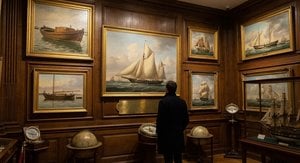
Landscape With Boats

Discover Arthur Lismer’s ‘Landscape With Boats,’ a captivating watercolor capturing coastal tranquility. Explore its Impressionistic style & muted palette – a serene piece of art history.

Arthur Lismer (1885-1969): Kanadyjski malarz Grupy Siedmiu znany z dynamicznych krajobrazów i innowacyjnych obrazów kamuflażu dazzle z I wojny światowej. Wpływowy nauczyciel sztuki, którego twórczość odzwierciedla ducha kanadyjskiej przyrody.

Ręcznie malowana reprodukcja olejowa

Ręcznie malowany olej na płótnie w Twoim wymiarze i ramie, tworzony na zamówienie przez naszych artystów.

Standard
custom
CM
INCH

Wybierz spośród naszych predefiniowanych rozmiarów, które zachowują oryginalne proporcje dzieła sztuki.

szerokość
wysokość

Możesz wprowadzić własne wymiary, aby dopasować obraz do konkretnej ramy lub przestrzeni. Jeśli wybrany rozmiar nie będzie odpowiadał proporcjom oryginału, przytniecie dzieło sztuki lub rozszerzymy je o dodatkowe elementy, ręcznie domalowane przez artystę. Przed rozpoczęciem produkcji wyślemy projekt cyfrowy do Twojej akceptacji.
Należy pamiętać, że podgląd na ekranie nie odzwierciedla rzeczywistego przycinania ani rozszerzania obrazu. Tylko projekt dokładnie pokaże ostateczną kompozycję.
Choć oferujemy możliwość zamówienia niestandardowych rozmiarów, zalecamy wybór wymiaru z gotowej listy, aby zachować oryginalne proporcje dzieła.

Przykłady możliwych zmian: Zamień twarz na zdjęcie klienta; Dodaj zwierzę domowe (np. zamień kota na psa); Ukryj wiadomość w tle; Zmień krajobraz lub elementy tła.
Po złożeniu zamówienia zespół WahooArt.com skontaktuje się z klientem drogą mailową w celu uzyskania instrukcji i prześle wizualizację projektu

Dostawa na całym świecie () w ciągu 3/4 tygodni zamiast standardowych 5 tygodni. (1 Lipiec). Bez kompromisów w kwestii jakości.

why_choose_icon
Bezpłatna ekspresowa wysyłka na cały świat
why_choose_icon
Wysokiej jakości płótno lniane
why_choose_icon
Pełne ubezpieczenie przesyłki
why_choose_icon
Gwarancja zwrotu należności celnych
why_choose_icon
Gwarancja pełnego zgodności kolorystycznej
why_choose_icon
Polityka 60-dniowego zwrotu (tylko w przypadku wad)
why_choose_icon
Gwarancja 100% zwrotu pieniędzy
why_choose_icon
Zniżka przy większych zamówieniach

Suma całkowita

-

reproduction

Landscape With Boats

Technika reprodukcji

Wymiary reprodukcji

-

Cena całkowita

-

Podobne dzieła sztuki

Edward Henry Potthast - Coastal Scene
Edward Henry Potthast
Coastal Scene
adrian maurice daintrey - Beach Scene, Totland Bay
adrian maurice daintrey
Beach Scene, Totland Bay
Arthur Lismer - Georgian Bay
Arthur Lismer
Georgian Bay
Arthur Lismer - Evening Silhouette
Arthur Lismer
Evening Silhouette
Arthur Lismer - Landscape
Arthur Lismer
Landscape
Arthur Lismer - Landscape
Arthur Lismer
Landscape
hercules brabazon brabazon - A market scene in Karachi
hercules brabazon brabazon
A market scene in Karachi

Biografia artysty

A Life Forged in Steel and Painted in Light

Arthur Lismer’s story is one of remarkable transformation, a journey from the grimy industrial heartland of Sheffield, England, to becoming a pivotal figure in defining a distinctly Canadian artistic identity. Born in 1885, his early life was steeped in the realities of working-class existence, a world of factories and smoke that perhaps unknowingly fueled within him a lifelong yearning for the unspoiled beauty of nature. His apprenticeship at age thirteen with a photo-engraving company wasn’t merely a trade; it was an immersion into visual language, honing skills that would later serve as the foundation for his artistic explorations. Evening classes at the Sheffield School of Art provided formal training, nurturing a talent already blossoming through sketches and observations of his surroundings – even discreetly during Unitarian church services, much to his mother’s gentle disapproval. This early exposure wasn't just about technique; it was about seeing, truly *seeing*, the world around him, a skill that would define his entire career. The move to Antwerp’s Academie Royale further broadened his horizons, exposing him to European artistic currents like Barbizon and Post-Impressionism – influences that subtly shaped his evolving style.

From Halifax Harbor to the Group of Seven

The pivotal decision to immigrate to Canada in 1911 marked a turning point. Settling in Toronto, Lismer found employment at Grip Ltd., a commercial art firm where fatefully, he encountered Tom Thomson, another artist destined for legendary status in Canadian art history. However, it was his appointment as principal of the Victoria School of Art and Design in Halifax in 1916 that revealed his commitment to education. He didn’t simply administer; he revitalized the school, expanding its curriculum and student body, believing passionately in fostering artistic talent. World War I dramatically altered his path, though. Assigned as an official war artist, Lismer found himself captivated by the bustling Halifax harbor, a strategic port teeming with ships. It was here that he developed a unique series of paintings depicting vessels adorned with *dazzle camouflage* – a revolutionary technique designed to confuse enemy submarines through bold patterns and disruptive coloration. These weren’t merely technical exercises; they were striking visual statements, demonstrating his ability to adapt artistic principles to practical wartime needs and earning him recognition from Lord Beaverbrook. Upon returning to Toronto in 1919, Lismer became vice-principal of the Ontario College of Art and actively collaborated with a group of artists who shared a vision: to create an art that was uniquely Canadian. This collective would become known as the Group of Seven.

A Distinctly Canadian Vision

Lismer’s artistic development wasn't static; it was a continuous evolution, influenced by his European training and profoundly shaped by the vastness and raw beauty of the Canadian landscape. Initially embracing Post-Impressionist techniques, he gradually moved towards a more expressive and personal style. His landscapes weren’t simply representations of scenery; they were attempts to capture the *essence* of Canada – its emotional resonance, its untamed spirit. Vibrant colors, dynamic compositions, and bold brushstrokes became hallmarks of his work. He sought not just to depict what he saw but to convey how it felt to be immersed in the wilderness, to experience the power and majesty of nature firsthand. His paintings often featured flattened perspectives and expressive textures, reflecting a desire to move beyond mere imitation and towards a more subjective interpretation of reality. The Group of Seven’s collective goal was ambitious: to forge an artistic identity independent from European traditions, one rooted in the unique character of the Canadian environment. Lismer played a crucial role in this endeavor, contributing not only his artistic talent but also his unwavering dedication to their shared vision.

Key Characteristics of His Work

  • Vibrant Color Palettes: Employing bold, expressive colors to capture the emotional impact of landscapes.
  • Dynamic Compositions: Utilizing strong compositional elements to create a sense of movement and energy.
  • Expressive Brushwork: Characterized by visible brushstrokes that convey texture and emotion.
  • Dazzle Camouflage Paintings: Unique depictions of ships during WWI, showcasing innovative use of pattern and color.
  • Focus on Canadian Wilderness: A deep connection to the landscapes of Canada, particularly Northern Ontario and Nova Scotia.

Legacy and Enduring Influence

Arthur Lismer’s contributions extend far beyond his paintings. As an educator, he profoundly impacted generations of Canadian artists through his leadership at NSCAD University and the Ontario College of Art, instilling in them a passion for creativity and a commitment to artistic excellence. His dazzle camouflage works remain historically significant, offering a unique visual record of World War I and demonstrating his adaptability as an artist. He was made a Companion of the Order of Canada in 1967, a testament to his lasting impact on Canadian culture. Today, Lismer is celebrated as one of Canada’s most important artists, recognized for his vibrant landscapes, innovative techniques, and unwavering dedication to fostering artistic talent. His works are held in major public and private collections across the country and internationally, continuing to inspire and captivate audiences with their beauty and emotional depth. His legacy isn't just about what he painted; it’s about how he inspired others to see the world – and Canada – in a new light.
Arthur Lismer

Arthur Lismer

1885 - 1969 , Wielka Brytania
Kluczowe informacje

  • Artistic Movement Or Style: Grupa Siedmiu, krajobraz
  • Artists Or Movements Influenced By This Artist:
    • Szkoła Barbizon
    • Postimpresjonizm
  • Artists Who Influenced This Artist:
    • Impressioniści
    • Grupa Siedmiu
  • Date Of Birth: 27 czerwca 1885
  • Date Of Death: 23 marca 1969
  • Full Name: Arthur Lismer
  • Nationality: Angielsko-kanadyjski
  • Notable Artworks:
    • Convój w Bedford Basin
    • Burza, Georgian Bay
    • Sęp
    • Krajobraz
  • Place Of Birth: Sheffield, Anglia