


Wydruki giclée lub płótna o jakości muzealnej, szybka realizacja i szeroki wybór opcji wykończenia. ( Zamów ręcznie malowaną reprodukcję Przejdź do wersji cyfrowej)





























Wybierz spośród naszych standardowych rozmiarów, które zachowują oryginalne proporcje dzieła sztuki.

Wpisz wymaganą szerokość i wysokość, aby dopasować grafikę do ramy lub ściany. Wydruk można jedynie przyciąć, nigdy nie powiększając go poza oryginalny obraz, dlatego format o innych proporcjach spowoduje utratę części kompozycji. Przed rozpoczęciem druku prześlemy Ci cyfrowy podgląd do zatwierdzenia. Obraz wyświetlany na tej stronie nie pokazuje rzeczywistego przycięcia — jedynie podgląd oddaje ten efekt.
Dostawa na cały świat () w ciągu 2 tygodni zamiast standardowych 4/5 tygodni. (17 Listopad)
Veritas
Wymiary reprodukcji
In this somber monochrome portrait, the figure of Veritas emerges from a deep, undifferentiated void. Painted by Arnold Böcklin about 1881, the work presents a female personification of Truth. She holds a long, slender sword upright in her right hand, a gesture that feels both steady and unyielding. Her gaze is direct, meeting the viewer with a stoic expression that suggests a quiet, piercing revelation. There is a sense of stillness here, as if she exists in a space removed from the passage of time.
The subject possesses a statuesque quality, her form rendered with a luminous skin texture that contrasts against the dark background. Fine, translucent folds of draped fabric fall from her head, adding a layer of soft, organic detail to her classical silhouette. The sharp, vertical line of the blade cuts through the composition, providing a rigid counterpoint to the curves of her anatomy. She does not merely exist within the frame; she commands the space with a presence that feels both ancient and immediate.
Through this allegorical lens, Arnold Böcklin explores themes of purity and strength. The grayscale palette strips away the distraction of color, forcing a confrontation with the subject's intense, singular purpose. Every shadow and highlight works to define her form, creating a sense of shallow depth that keeps the focus entirely on her unwavering stare and the metallic sheen of her weapon. Truth stands before us, stripped of ornament, defined only by her essence and her steel.
The composition centers on a vertical portrait, drawing the eye immediately to the upper torso and head of the woman. She holds a long, slender sword upright in her right hand, a sharp verticality that cuts through the space. This straight, rigid line of the blade provides a striking contrast to the soft, organic curves of her anatomy. The subject gazes directly toward the viewer with a stoic expression, her eyes meeting the observer in a moment of unyielding presence. Everything about her posture suggests a stillness that is both heavy and resolute.
Light and shadow perform a dramatic dance across the figure, creating a strong chiaroscuro effect. This interplay of light pulls her form out of a dark, undifferentiated void, giving the portrait a sense of shallow depth. The color palette remains strictly grayscale, stripping away the distraction of hue to focus entirely on the interplay of tone. One can almost feel the textures through the visual shifts: the smooth, luminous quality of the skin contrasts against the metallic sheen of the blade and the fine, translucent folds of the draped fabric falling from her head.
The work emerges from a style of academic realism infused with heavy allegorical symbolism. Every brushstroke seeks to ground the ethereal subject in a tangible, physical reality. This sense of presence is heightened by the medium, as the piece appears to be executed in oil on a small panel or canvas. The intimate scale of 27.4 x 21.8cm forces a close encounter with the subject, demanding a quiet, focused gaze to fully register the subtle shifts in light and form. It is a work that feels contained, as if the energy of the figure is being held within its modest boundaries.
A profound darkness defines the environment, with a background of deep black void that offers no sense of horizon or distance. This lack of setting pushes the figure forward, creating a sharp, dramatic contrast between the luminous skin and the surrounding nothingness. The light seems to strike the subject from an unseen source, carving out the anatomy with precision. This technique creates a sense of weight and volume, making the figure feel as though she is stepping out from the shadows into the viewer's immediate space. The composition remains fixed and steady, anchored by the verticality of the sword and the stillness of the pose.
Created about 1881, the painting relies on the interplay of light and shadow to define its narrative. The textures of the draped fabric and the metallic edge of the blade emerge from the darkness through careful application of pigment. There is a tension between the soft, organic lines of the human form and the rigid, unyielding geometry of the weapon. This visual dialogue between the living and the inanimate reinforces the allegorical weight of the scene, leaving the viewer to wonder at the silent strength held within this monochrome realm.
Nie – dzieło znajduje się poza granicami kraju artysty. Dzieło "Veritas" znajduje się w zbiorach Niemcy, podczas gdy Arnold Böcklin urodził(a) się w Szwajcaria.
"Veritas" reprezentuje Mature Period twórczości Arnold Böcklin.
Dzieło "Veritas" autorstwa Arnold Böcklin znajduje się w należy do domeny publicznej – autorskie prawa majątkowe wygasły. Okres ochrony praw autorskich liczony jest od daty śmierci artysty, a Arnold Böcklin zmarł(a) w 1901.

Bazylea w Szwajcarii stanowi punkt wyjścia dla życia zdefiniowanego przez napięcie między tym, co namacalne, a tym, co spektralne. Urodzony 16 października 1827 roku przez Christiana Frederica Böcklina i Ursulę Lippe, młody człowiek ostatecznie wzniósł się ponad handel jedwabiem swojego ojca, by trafić do surowych murów Akademii w Düsseldorfie. Pod okiem Schirmera zaczął chłonąć język pejzażu – umiejętność, która w przyszłości miała posłużyć do mapowania geografii ludzkiej duszy. Nie malował on jedynie scenerii; on konstruował krainy, w których klasyka zderza się z makabrą.
Ruch od akademickiej dyscypliny Düsseldorfu ku światłu Paryża i antycznemu ciężarowi Rzymu wyznacza fundamentalną zmianę w jego wizji. W Luwrze chłonął historię mistrzów, lecz to atmosfera Włoch prawdziwie ukształtowała jego warsztat. Powrócił do Rzymu między 1862 a 1866 rokiem, w okresie, gdy jego paleta zaczęła faworyzować bardziej gwałtowne, ekspresyjne barwy. Nie była to jednak słoneczna, pełna blasku Italia renesansu, lecz miejsce głębokich cieni i mitologicznego ciężaru. Jego twórczość zaczęła skłaniać się ku alegorii, wykorzystując postaci z antyku do zgłębiania przytłaczającej, nieuniknionej obecności śmiertelności.
Pod koniec XIX wieku jego reputacja została ugruntowana przez specyficzną, niepokojącą obsesję. Między 1880 a 1886 rokiem stworzył pięć wersji Wyspy Umarłych. Dzieło to, zainspirowane angielskim cmentarzem we Florencji, gdzie pochowana została jego córka, stało się punktem centralnym ruchu symbolistycznego. To scena głębokiego bezruchu: skalista wysepka, ciemne cyprysy i łódź zbliżająca się do milczącego brzegu. Obraz ten nie tylko przedstawia miejsce; on ukazuje stan bycia. Ta zdolność do oddawania tego, co nieuchwytne – szeptów snów i ciężaru życia pozagrobowego – postawiła go w centrum nowej europejskiej wrażliwości.
Jego podejście techniczne często wykorzystywało gęsty, ekspresyjny impasto, szczególnie w takich dziełach jak La Guerre (1896). W tym płótnie drży chaos konfliktu. Unika on czystych linii tradycjonalizmu, wybierając zamiast tego gęstą, warstwową kompozycję, w której postaci ścierają się pośród kruszejącej architektury. Jest to wizceralna manifestacja destrukcji, gdzie zasłona między mitem a rzeczywistością rozpuszcza się w burzy cieni. Jego styl przenikał się z nurtem prerafaelitów, jednak pozostał odrębny, skupiony na mistycyzmie, który wydawał się jednocześnie starożytny i niepokojąco nowoczesny.
Oddziaływanie jego wyobraźni wykraczało daleko poza płótno, sięgając do audytywnej sfery muzyki późnego romantyzmu. Jego obrazy stanowiły wizualny bodziec dla kompozytorów, wywierając wpływ przede wszystkim na atmosferę twórczości Gustava Mahlera. Zdolność do budowania mostów między tym, co wizualne, a psychologiczne, sprawiła, że jego wpływ odczuli ci, którzy pragnęli reprezentować podświadomość. Jego zasięg dotknął kilku pokoleń artystów:
Zmarł w Fiesole we Włoszech, pozostawiając po sobie dorobek, który odmawiał łatwego sklasyfikowania. Był malarzem szwajcarskiego krajobrazu, rzymskiej tawerny i mitologicznego gaju, a jednak jego prawdziwym tematem pozostawała cicha, trwająca obecność nieznanego. Jego dzieła znajdują się w najważniejszych kolekcjach, w tym w Kunstmuseum w Bazylei oraz Kunsthaus Zürich, służąc jako punkty odniesienia dla tych, którzy badają przecięcia mitu i śmiertelności.

1827 - 1901 , Szwajcaria
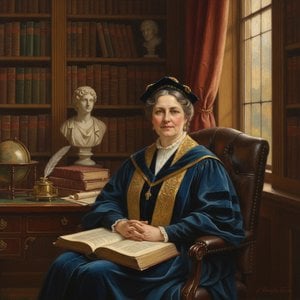
Discover the profound beauty of Academic Portraiture. Explore how classical realism captures prestige through meticulous technique, anatomical truth, and timeless elegance—perfect for discerning collectors seeking museum-quality mastery and historical grandeur.

Explore the clinical precision of German New Objectivity through masters like Otto Dix. Discover the truth behind the Weimar era's raw realism.

Discover the profound beauty of Classical Realism. Explore a curated guide to academic mastery, from technical precision to timeless elegance, perfect for discerning collectors seeking museum-quality excellence and bespoke artistry.

Master the art of decoding hidden symbols and visual allegories in historical masterpieces. Elevate your collection with expert insights.

Decode the profound symbolism of hands in masterworks from Van Gogh to Hindu mudras. Explore the silent language of art with our expert guide.
 Podgląd w skali 1:1

 Wyślij jako kartkę
 Udostępnij
 Szczegóły dzieła
 Przewodnik


 Pobierz obraz
 Podobne obiekty
 RTG
 Pokaz slajdów
 Pytania i odpowiedzi

 Statystyki


 Rozwiń treść









 Opcja ze szkłem jest dostępna wyłącznie w rozmiarach poniżej 110 cm


