Zobacz w skali 1:1 Zobacz w AR Kup ręcznie malowany obraz Przełącz na wersję cyfrową Wyślij
Szczegóły Przewodnik Dodaj do ulubionych Pobierz plik obrazu Podobne obiekty RTG Pokaz slajdów Statystyki

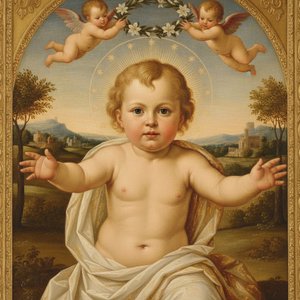
Triptych (detail)

Meta Description: Antonio Vivarini stworzył piękny Tryptych przedstawiający Marię Pannę z Dzieciątkiem Jezus przed kościołem Murano. Jego dzieło emanuje spokojem i duchową głębią.

A master of the early Renaissance and late Gothic periods, Antonio Vivarini captured spiritual devotion in iconic works like his Triptych and Adoration of the Magi, inviting you to discover the luminous soul of Venice.

Giclée / Wydruk artystyczny

Wydruki giclée lub płótna o jakości muzealnej, szybka realizacja i szeroki wybór opcji wykończenia. ( Kup ręcznie malowany obraz Przełącz na wersję cyfrową)

Corner sample of the P118B picture frame: polistyren formowany, 5 cm wide and 3 cm thick
P118B zł10
Corner sample of the P118H picture frame: polistyren formowany, 5 cm wide and 3 cm thick
P118H zł10
Corner sample of the P118W picture frame: polistyren formowany, 5 cm wide and 3 cm thick
P118W zł10
Corner sample of the P438Z picture frame: polistyren formowany, 5.5 cm wide and 3.5 cm thick
P438Z zł10
Corner sample of the P508JH picture frame: polistyren formowany, 7 cm wide and 3.5 cm thick
P508JH zł12
Corner sample of the P508YH picture frame: polistyren formowany, 7 cm wide and 3.5 cm thick
P508YH zł12
Corner sample of the P805H picture frame: polistyren formowany, 5 cm wide and 3.5 cm thick
P805H zł10
Corner sample of the P805Z picture frame: polistyren formowany, 5 cm wide and 3.5 cm thick
P805Z zł10
Corner sample of the P919BZ picture frame: polistyren formowany, 7 cm wide and 3.5 cm thick
P919BZ zł10
Corner sample of the P919G picture frame: polistyren formowany, 7 cm wide and 3.5 cm thick
P919G zł10
Corner sample of the P919XJ picture frame: polistyren formowany, 7 cm wide and 3.5 cm thick
P919XJ zł10
Corner sample of the P959ZH picture frame: polistyren formowany, 5 cm wide and 3 cm thick
P959ZH zł10
Corner sample of the P968JZ picture frame: polistyren formowany, 6 cm wide and 4 cm thick
P968JZ zł12
Corner sample of the W106C picture frame: lite drewno, 5 cm wide and 3 cm thick
W106C zł8
Corner sample of the W218G picture frame: lite drewno, 5 cm wide and 3 cm thick
W218G zł10
Corner sample of the W218JH picture frame: lite drewno, 5 cm wide and 3 cm thick
W218JH zł8
Corner sample of the W218Y picture frame: lite drewno, 5 cm wide and 3 cm thick
W218Y zł10
Corner sample of the W307PJ picture frame: lite drewno, 6 cm wide and 3 cm thick
W307PJ zł10
Corner sample of the W316G picture frame: lite drewno, 6 cm wide and 3 cm thick
W316G zł10
Corner sample of the W316PJ picture frame: lite drewno, 6 cm wide and 3 cm thick
W316PJ zł8
Corner sample of the W316Y picture frame: lite drewno, 6 cm wide and 3 cm thick
W316Y zł10
Corner sample of the W398PJ picture frame: lite drewno, 5 cm wide and 3 cm thick
W398PJ zł8
Corner sample of the W4111J picture frame: lite drewno, 6.5 cm wide and 3.5 cm thick
W4111J zł10
Corner sample of the W500HY picture frame: lite drewno, 7 cm wide and 5 cm thick
W500HY zł15
Corner sample of the W500JH picture frame: lite drewno, 7 cm wide and 5 cm thick
W500JH zł15
Corner sample of the W692G picture frame: lite drewno, 8 cm wide and 4 cm thick
W692G zł12
Corner sample of the W849H picture frame: lite drewno, 5 cm wide and 3 cm thick
W849H zł8
Corner sample of the W940BG picture frame: lite drewno, 7.5 cm wide and 4.5 cm thick
W940BG zł15
Corner sample of the W953PJ picture frame: lite drewno, 6 cm wide and 3.5 cm thick
W953PJ zł8

Standardowy
na zamówienie
CM
INCH

Wybierz spośród naszych standardowych rozmiarów, które zachowują oryginalne proporcje dzieła sztuki.

szerokość
wysokość

Wpisz wymaganą szerokość i wysokość, aby dopasować grafikę do ramy lub ściany. Wydruk można jedynie przyciąć, nigdy nie powiększając go poza oryginalny obraz, dlatego format o innym proporcji spowoduje utratę części kompozycji. Przed rozpoczęciem druku prześlemy Ci cyfrowy podgląd do zatwierdzenia. Obraz wyświetlany na tej stronie nie pokazuje rzeczywistego przycięcia — jedynie podgląd oddaje ten efekt.

Dostawa na cały świat () w ciągu 2 tygodni zamiast standardowych 4/5 tygodni. (22 Październik)

Bezpłatna ekspresowa wysyłka na cały świat
Wysokiej jakości płótno lniane
Pełne ubezpieczenie transportowe
Gwarancja zwrotu należności celnych i podatków importowych
Gwarancja idealnego odwzorowania barw
100-dniowy okres na zwrot dzieła w przypadku wykrycia wad produkcyjnych
Gwarancja 100% zwrotu pieniędzy
Oferta przy zakupie wielu sztuk

Cena całkowita

zł 261

Triptych (detail)

Giclée / Wydruk artystyczny

Rozmiar reprodukcji

-

Suma do zapłaty

zł 261

Kluczowe informacje

  • Movement: Early Renaissance
  • Location: Private Collection
  • Year: 1446
  • Dimensions: 339 x 200 cm
  • Artist: Antonio Vivarini
  • Subject or theme: Christian iconography

Quiz wiedzy o sztuce

Do każdego pytania dotyczy tylko jedna poprawna odpowiedź.

Pytanie 1:
Jak nazywa się obraz?
Pytanie 2:
Kto jest twórcą tego obrazu?
Pytanie 3:
W którym roku powstał obraz?
Pytanie 4:
Gdzie znajduje się obraz?
Pytanie 5:
Jaką technikę wykorzystał Antonio Vivarini przy tworzeniu tego dzieła?

Antonio Vivarini’s Triptych – A Reflection of Florentine Spirituality

The triptych by Antonio Vivarini, completed in 1446, stands as a poignant emblem of Renaissance Florence and its fervent devotion to religious iconography. More than just a visually stunning artwork—a monumental canvas measuring 339 x 200 cm—it embodies the spiritual ethos that permeated the city’s artistic landscape during this transformative period. Examining Vivarini's masterpiece reveals layers of meaning, skillfully interwoven into its composition and executed with meticulous attention to detail.

Style and Technique: The Fresco Revival

Vivarini’s approach aligns perfectly with the burgeoning revival of fresco painting—a technique championed by artists like Piero della Francesca and Masaccio—that prioritized luminosity and depth. Unlike tempera paint, which dries quickly and can appear brittle over time, fresco employs pigments mixed with lime plaster applied directly onto wet wall surfaces. This method ensured exceptional durability and allowed for a breathtaking illusion of three-dimensionality, capturing the ethereal quality characteristic of Florentine art at the time. Vivarini’s masterful use of color—particularly rich reds and blues—creates an immersive experience for the viewer, transporting them into the serene atmosphere of the church depicted.

Historical Context: Patronage and Religious Belief

The commission for this triptych underscores the pervasive influence of papal patronage on Florentine art. The Medici family, rulers of Florence during Vivarini’s lifetime, actively supported artistic endeavors aimed at glorifying God and reinforcing their authority. Such commissions demanded adherence to strict theological precepts—the depiction of Saints Ambrose and Augustine was intended to inspire piety and reverence among worshippers. Furthermore, the artwork reflects the broader humanist movement gaining traction in Europe, which sought to reconcile faith with reason – a delicate balance achieved through artistic representation.

Symbolism: Light and Divine Presence

The central panel showcases Saint Augustine and Saint Ambrose, figures revered for their theological scholarship and unwavering commitment to Christian dogma. Their postures convey solemn contemplation, emphasizing the importance of prayer and spiritual introspection. The artist’s deliberate use of light—a hallmark of Renaissance painting—is particularly significant. Light emanates from an unseen source, illuminating the saints' faces and drapery with a radiant glow. This symbolic illumination represents divine grace and underscores the belief that God permeates all aspects of creation.

Emotional Impact: A Window into Florentine Soul

Looking upon Vivarini’s Triptych is akin to stepping back in time—into the heart of Florence during its golden age. The artwork evokes a profound sense of tranquility and spiritual contemplation, mirroring the prevailing mood of the era. Its meticulous craftsmanship and harmonious color palette speak volumes about the artistic sensibilities of the period, reminding us that art can transcend mere visual beauty to convey enduring truths about faith and human experience. It remains an unforgettable testament to Florentine artistry and its unwavering devotion to religious ideals.

Pytania i odpowiedzi

Jaka jest technika i data powstania „Triptych (detail)” autorstwa Antonio Vivarini?

"Triptych (detail)" powstało w 1446 roku przy użyciu Akryl na płótnie.

Czy obraz „Triptych (detail)” autorstwa Antonio Vivarini można swobodnie reprodukować?

„Triptych (detail)” autorstwa Antonio Vivarini znajduje się w stanowi domenę publiczną – autorskie prawa majątkowe wygasły. Status ten określa zasady reprodukcji obrazu tego dzieła.

Jaką tematykę i atmosferę łączy „Triptych (detail)” autorstwa Antonio Vivarini?

„Triptych (detail)” autorstwa Antonio Vivarini przedstawia virgin mary, jesus christ, church architecture, religious iconography, medieval art, italian painting, renaissance tradition, wprowadzając Pełen spokoju nastrój. Tematyka i atmosfera wspólnie definiują to dzieło.


Odkryj dzieła sztuki uporządkowane według tematów, stylów i cech charakterystycznych.