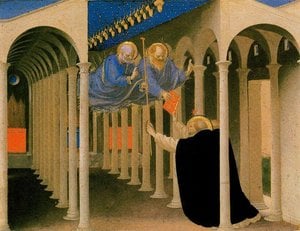
Św. Eufemia (1454) autorstwa Andrea Mantegna, ręcznie malowana reprodukcja olejowa wykonana przez mistrza
Podgląd w skali 1:1 Podgląd AR Przełącz na wydania drukowane Przejdź do wersji cyfrowej Wyślij jako kartkę
Szczegóły dzieła Przewodnik Dodaj do ulubionych Pobierz obraz Podobne obiekty RTG Pokaz slajdów Pytania i odpowiedzi Pobierz prezentację Statystyki

Św. Eufemia Ręcznie malowana reprodukcja obrazu olejnego

Uroczysty portret św. Eufemii oddaje rzymski ideal Mantegny poprzez stonowane barwy. Odkryj to arcydzieło wczesnego renesansu.

Andrea Mantegna (1431-1506) – renesansowy mistrz perspektywy i rzeźbiarskiego detalu. Odkryj ikoniczne dzieła, takie jak 'Lamentacja' i Sala Ślubów w Pałacu Książęcym!

Ręcznie malowana reprodukcja olejowa

Ręcznie malowany obraz olejny na płótnie, wykonany na zamówienie przez naszych artystów w wybranym przez Ciebie wymiarze i oprawie. ( Przełącz na wydania drukowane Przejdź do wersji cyfrowej)

Corner sample of the P118B picture frame: polistyren formowany, 5 cm wide and 3 cm thick
P118B zł10
Corner sample of the P118H picture frame: polistyren formowany, 5 cm wide and 3 cm thick
P118H zł10
Corner sample of the P118W picture frame: polistyren formowany, 5 cm wide and 3 cm thick
P118W zł10
Corner sample of the P438Z picture frame: polistyren formowany, 5.5 cm wide and 3.5 cm thick
P438Z zł10
Corner sample of the P508JH picture frame: polistyren formowany, 7 cm wide and 3.5 cm thick
P508JH zł12
Corner sample of the P508YH picture frame: polistyren formowany, 7 cm wide and 3.5 cm thick
P508YH zł12
Corner sample of the P805H picture frame: polistyren formowany, 5 cm wide and 3.5 cm thick
P805H zł10
Corner sample of the P805Z picture frame: polistyren formowany, 5 cm wide and 3.5 cm thick
P805Z zł10
Corner sample of the P919BZ picture frame: polistyren formowany, 7 cm wide and 3.5 cm thick
P919BZ zł10
Corner sample of the P919G picture frame: polistyren formowany, 7 cm wide and 3.5 cm thick
P919G zł10
Corner sample of the P919XJ picture frame: polistyren formowany, 7 cm wide and 3.5 cm thick
P919XJ zł10
Corner sample of the P959ZH picture frame: polistyren formowany, 5 cm wide and 3 cm thick
P959ZH zł10
Corner sample of the P968JZ picture frame: polistyren formowany, 6 cm wide and 4 cm thick
P968JZ zł12
Corner sample of the W106C picture frame: lite drewno, 5 cm wide and 3 cm thick
W106C zł8
Corner sample of the W218G picture frame: lite drewno, 5 cm wide and 3 cm thick
W218G zł10
Corner sample of the W218JH picture frame: lite drewno, 5 cm wide and 3 cm thick
W218JH zł8
Corner sample of the W218Y picture frame: lite drewno, 5 cm wide and 3 cm thick
W218Y zł10
Corner sample of the W307PJ picture frame: lite drewno, 6 cm wide and 3 cm thick
W307PJ zł10
Corner sample of the W316G picture frame: lite drewno, 6 cm wide and 3 cm thick
W316G zł10
Corner sample of the W316PJ picture frame: lite drewno, 6 cm wide and 3 cm thick
W316PJ zł8
Corner sample of the W316Y picture frame: lite drewno, 6 cm wide and 3 cm thick
W316Y zł10
Corner sample of the W398PJ picture frame: lite drewno, 5 cm wide and 3 cm thick
W398PJ zł8
Corner sample of the W4111J picture frame: lite drewno, 6.5 cm wide and 3.5 cm thick
W4111J zł10
Corner sample of the W500HY picture frame: lite drewno, 7 cm wide and 5 cm thick
W500HY zł15
Corner sample of the W500JH picture frame: lite drewno, 7 cm wide and 5 cm thick
W500JH zł15
Corner sample of the W692G picture frame: lite drewno, 8 cm wide and 4 cm thick
W692G zł12
Corner sample of the W849H picture frame: lite drewno, 5 cm wide and 3 cm thick
W849H zł8
Corner sample of the W940BG picture frame: lite drewno, 7.5 cm wide and 4.5 cm thick
W940BG zł15
Corner sample of the W953PJ picture frame: lite drewno, 6 cm wide and 3.5 cm thick
W953PJ zł8

Standardowy format
personalizowane
CM
INCH

Wybierz spośród naszych standardowych rozmiarów, które zachowują oryginalne proporcje dzieła sztuki.

szerokość
wysokość

Wpisz wymaganą szerokość i wysokość, aby obraz pasował do Twojej ramy lub ściany. Ponieważ jest to dzieło malowane ręcznie, w przypadku rozmiaru o innych proporcjach artysta może domalować nieco więcej wokół obrazu lub przyciąć jego fragmenty — wybór należy do Ciebie. Przed rozpoczęciem pracy prześlemy Ci cyfrową wizualizację do zatwierdzenia. Obraz widoczny na tej stronie nie przedstawia rzeczywistego efektu — jedynie wizualizacja oddaje realny rezultat.

Przykłady możliwych zmian: Zamień twarz na zdjęcie klienta; Dodaj zwierzę domowe (np. zamień kota na psa); Ukryj wiadomość w tle; Zmień krajobraz lub elementy tła.
Po złożeniu zamówienia zespół WahooArt.com skontaktuje się z klientem drogą mailową w celu uzyskania instrukcji i prześle wizualizację projektu

Dostawa na całym świecie () w ciągu 3–4 tygodni zamiast standardowych 5 tygodni. (9 Listopad). Bez kompromisów w kwestii jakości.

Bezpłatna ekspresowa wysyłka na cały świat
Wysokiej jakości płótno lniane
Pełne ubezpieczenie przesyłki
Gwarancja zwrotu należności celnych i podatków importowych
Gwarancja wiernego odwzorowania kolorów
100-dniowa polityka zwrotów (tylko w przypadku wad)
Gwarancja 100% zwrotu pieniędzy
Zniżka przy zakupie wielu sztuk

Suma całkowita

zł 1065

Św. Eufemia

Technika reprodukcji

Wymiary reprodukcji

-

Cena całkowita

zł 1065

Najważniejsze informacje

  • Movement: Wczesny renesans
  • Subject or theme: Ikonografia religijna
  • Medium: Tempera na desce
  • Year: 1454
  • Title: Św. Eufemia

Quiz o sztuce

Do każdego pytania dotyczy tylko jedna poprawna odpowiedź.

Pytanie 1:
Z jakim nurtem artystycznym kojarzony jest przede wszystkim Andrea Mantegna?
Pytanie 2:
Fotografia przedstawia obraz Mantegny. Jakiej techniki najprawdopodobniej użyto w tym dziele?
Pytanie 3:
Jaka dominująca paleta barw charakteryzuje atmosferę obrazu?
Pytanie 4:
Łukowa nisza obramowująca Św. Eufemię przyczynia się do jakiego elementu kompozycyjnego?
Pytanie 5:
Jakie elementy symboliczne występują w przedstawieniu Św. Eufemii?

Wizja oddania: Wieczna obecność Św. Eufemii

W cichej, kontemplacyjnej przestrzeni dzieła Św. Eufemia autorstwa Andrei Mantegny, ukończonego w 1454 roku, widzowie zostają zaproszeni do głębokiego spotkania z tym, co boskie i klasyczne. To arcydzieło stanowi fundament ekspresji wczesnego renesansu, uchwycając moment, w którym religijny żar spotyka się z intelektualnym odrodzeniem antycznego Rzymu. Sama święta przedstawiona jest w uderzającej, łukowej niszy – zabiegu architektonicznym, który robi znacznie więcej niż tylko obramowuje jej postać; tworzy on zapierającą dech w piersiach iluzję głębi, wciągając obserwatora w święty wymiar, który wydaje się namacalny i bezpośredni. Mistrzostwo Mantegny w zakresie perspektywy linearnej prowadzi wzrok ku punktowi zbiegu znajdującemu się za świętą, ustanawiając poczucie trójwymiarowości, które było rewolucyjne dla tamtych czasów, zwiastując zdecydowane odejście od płaskich, bardziej dekoracyjnych tradycji gotyckich.

Emocjonalny rezonans tego dzieła jest głęboko zakorzeniony w jego ponurej i pełnej czci atmosferze. Mantegna stosuje celowo stonowaną paletę barw, zdominowaną przez ziemiste odcienie brązu, ochry i głębokiej czerwieni. Tones te przywołują poczucie uroczystej pobożności, tworząc nastrój cichej kontemplacji, idealny dla przestrzeni przeznaczonych do refleksji lub luksusowych, klasycznych wnętrz. Aby przełamać powagę tych przygaszonych odcieni, artysta strategicznie wykorzystuje akcenty płatków złota, które podkreślają koronę świętej, jej biżuterię oraz misterne fałdy szat. Ta subtelna luminancja zapewnia niebiański błysk pośród cieni, podkreślając duchowe znaczenie jej stanu.

Symbolika i mistrzostwo techniki

Poza swoim wizualnym pięknem, Św. Eufemia jest bogatą tkaniną chrześcijańskiej ikonografii i archeologicznej precyzji. Święta staje jako potężny symbol triumfu nad przeciwnościami losu; trzyma w górze gałązkę palmy, uniwersalny symbol męczeństwa, podczas gdy jej dłonie są uniesione w geście błogosławieństwa. Każdy element jej stroju i otoczenia świadczy o jej świętości i królewskim statusie. W niektórych interpretacjach tego okresu obecność lwa lub konkretnych ran służy przypomnieniu wiernym o jej wytrwałości w obliczu prześladowań, dodając warstw narracyjnej głębi, która angażuje zarówno serce, jak i intelekt.

Techniczna egzekucja dzieła ujawnia niezłomne oddanie Mantegny detalom oraz jego fascynację teksturami antycznego świata. Wykorzystując farbę temperową – pigmenty łączone z żółtkiem jajka – na drewnianej desce, artysta uzyskał aksamitną teksturę i subtelne przejścia tonalne, które pozwalają światłu rzeźbić formę świętej z niezwykłą precyzją. To skrupulatne nakładanie warstw pigmentu zapewnia trwałość i głębię koloru, co sprawia, że wysokiej jakości reprodukcja jest szczególnie pociągająca dla kolekcjonerów. Dla projektanta wnętrz lub entuzjasty sztuki dzieło to oferuje coś więcej niż tylko dekorację; stanowi ono okno do duszy renesansu, wnosząc poczucie historycznego ciężaru, rzeźbiarskiej godności i ponadczasowej elegancji do każdej starannie dobranej kolekcji.

Pytania i odpowiedzi

Gdzie mogę pobrać „Św. Eufemia” – Andrea Mantegna?

Możliwość pobrania dzieła „Św. Eufemia”: strona Pobierz plik cyfrowy oferuje wysokiej rozdzielczości cyfrowe zdjęcie do pobrania.

Któremu artyście przypisuje się "Św. Eufemia"?

Autorem dzieła „Św. Eufemia” jest Andrea Mantegna. Praca ta figuruje w katalogu pod nazwiskiem Andrea Mantegna.

Jakie zastosowanie i przestrzeń są zalecane dla „Św. Eufemia” – Andrea Mantegna?

Zalecane zastosowanie (Punkt centralny) oraz przestrzeń (Salon lub strefa dzienna) to dwie rekomendacje dla dzieła „Św. Eufemia” – Andrea Mantegna.


Biografia artysty

A Renaissance Forged in Antiquity: The Life and Art of Andrea Mantegna

Andrea Mantegna, born near Padua around 1431, stands as a pivotal figure bridging the Early and High Renaissances. His artistic journey wasn’t merely about adopting classical forms; it was an immersive excavation of antiquity, a passionate attempt to resurrect the spirit of Rome within the burgeoning Italian Renaissance. Unlike many contemporaries who drew inspiration from classical models, Mantegna possessed a unique fervor for archaeological accuracy. This obsession stemmed from his formative years under Francesco Squarcione, a painter and collector whose workshop functioned less as a traditional studio and more as an academy dedicated to the study of Roman ruins, sculptures, and inscriptions. It was within these walls, surrounded by fragments of a lost empire, that Mantegna’s artistic vision began to take shape—a vision characterized by sculptural forms, dramatic perspective, and an almost obsessive attention to detail. His early life remains somewhat shrouded in mystery; accounts suggest he was discovered as a promising apprentice, his innate talent recognized and nurtured by Squarcione despite humble origins. This unconventional beginning perhaps fueled Mantegna’s relentless pursuit of artistic mastery and his determination to forge a style distinctly his own.

The Gonzaga Court and the Illusion of Reality

Mantegna's career truly blossomed when he entered the service of the Gonzaga family in Mantua, becoming court painter in 1488. This patronage provided him with an unprecedented level of artistic freedom and a platform to realize his most ambitious projects. The Gonzaga’s were not simply patrons; they were collaborators, commissioning works that pushed the boundaries of artistic innovation. It was during this period that Mantegna created what is arguably his masterpiece: the *Camera degli Sposi* (Bridal Chamber) frescoes in the Palazzo Ducale. This groundbreaking work transcends mere decoration; it's a complete illusionistic environment, seamlessly integrating architecture and painting to create an extended sense of space. The frescoes depict scenes from the life of the Gonzaga family – portraits that are remarkably lifelike and engaging – and a breathtaking *di sotto in sù* (seen from below) ceiling panel that creates the illusion of an open sky. This masterful manipulation of perspective wasn’t simply about technical skill; it was about creating a world within a room, blurring the lines between reality and representation. The *Camera degli Sposi* is considered one of the most significant achievements in Renaissance art, demonstrating Mantegna's unparalleled ability to create convincing illusions of depth and space. Beyond the *Camera degli Sposi*, Mantegna continued to produce works of exceptional quality for the Gonzaga court, including the monumental series *Triumphs of Caesar*. These paintings, inspired by Roman triumphal processions, are not merely historical depictions; they are elaborate allegories celebrating the power and prestige of the Gonzaga family, presented with a grandeur that rivals the imperial ambitions of ancient Rome.

A Master of Perspective and Anatomical Precision

Mantegna’s artistic innovations extended far beyond illusionistic environments. He was a pioneer in the use of perspective, frequently employing techniques that went against conventional methods to achieve dramatic effects. Frequently, he adjusted the horizon line, creating a sense of monumentality and imposing scale. This technique, coupled with his meticulous attention to anatomical detail, gave his figures an unparalleled sense of weight and presence. He wasn’t content with simply representing the human form; he dissected it, studied its musculature, and rendered it with a precision that was revolutionary for his time. His mastery of *trompe-l'oeil* – creating illusions so convincing they deceive the eye – further enhanced this effect, blurring the boundaries between painting and reality. This dedication to anatomical accuracy wasn’t merely an exercise in technical skill; it reflected Mantegna’s deep engagement with classical sculpture and his desire to emulate the idealized forms of antiquity. He sought not just to depict the human body but to capture its inherent dignity and power. His influence on subsequent generations of artists, including Raphael and Michelangelo, is undeniable, as they built upon his foundations in perspective, anatomy, and composition.

Early Works and Influences

Mantegna’s early career was marked by a rapid development of his distinctive style. He began with religious works, such as the *St. George and the Dragon* (c. 1465-1466), which showcases his mastery of perspective and dramatic composition. His *Lamentation over the Dead Christ*, painted around 1480, is another significant example of his early work, demonstrating his ability to convey emotion through carefully rendered figures and a somber color palette. His artistic influences were diverse, drawing from both classical antiquity and contemporary Italian painting. The works of Donatello, particularly his sculptures, undoubtedly influenced Mantegna’s interest in anatomical accuracy and the portrayal of human form. Similarly, the paintings of Giovanni Bellini, with their rich colors and expressive figures, likely shaped his approach to color and composition. However, Mantegna ultimately forged a unique style that combined these influences into something entirely new and distinctive.

Legacy and Enduring Influence

Andrea Mantegna died in Mantua in 1506, leaving behind a legacy that continues to resonate with art historians and enthusiasts alike. His work represents a crucial turning point in the history of Renaissance art, bridging the gap between the Early and High Renaissance styles. He wasn’t simply an imitator of classical forms; he was an interpreter, adapting ancient motifs and techniques to create something entirely new and uniquely his own. His meticulous attention to detail, his mastery of perspective, and his profound engagement with classical antiquity established him as a leading figure of his time. Mantegna’s exploration of classical themes helped revive interest in ancient art and culture, paving the way for the artistic achievements of the High Renaissance. His influence can be seen in the works of countless artists who followed, from Raphael's graceful compositions to Michelangelo's powerful figures. Today, his paintings are housed in major museums around the world, including The National Gallery in London and the Pinacoteca di Brera in Milan, where they continue to inspire awe and admiration.
Andrea Mantegna

Andrea Mantegna

1431 - 1506 , Włochy

Krótka nota

  • Artistic Movement Or Style: Renesans
  • Artists Or Movements Influenced By This Artist:
    • Donatello
    • Renesans
  • Artists Who Influenced This Artist: ['Squarcione']
  • Date Of Birth: ok. 1431
  • Date Of Death: 1506
  • Full Name: Andrea Mantegna
  • Nationality: Włoski
  • Notable Artworks:
    • Lamentacja nad zmartwionym Chrystusem
    • Święty Jerzy
    • Camera degli Sposi
  • Place Of Birth: Carturu, Italia
Odkryj dzieła sztuki uporządkowane według tematów, stylów i cech charakterystycznych.