

Wydruki giclée lub płótna o jakości muzealnej, szybka realizacja i szeroki wybór opcji wykończenia. ( Zamów ręcznie malowaną reprodukcję Przejdź do wersji cyfrowej)





























Wybierz spośród naszych standardowych rozmiarów, które zachowują oryginalne proporcje dzieła sztuki.

Wpisz wymaganą szerokość i wysokość, aby dopasować grafikę do ramy lub ściany. Wydruk można jedynie przyciąć, nigdy nie powiększając go poza oryginalny obraz, dlatego format o innych proporcjach spowoduje utratę części kompozycji. Przed rozpoczęciem druku prześlemy Ci cyfrowy podgląd do zatwierdzenia. Obraz wyświetlany na tej stronie nie pokazuje rzeczywistego przycięcia — jedynie podgląd oddaje ten efekt.
Dostawa na cały świat () w ciągu 2 tygodni zamiast standardowych 4/5 tygodni. (12 Listopad)
Boats at Colliure
Wymiary reprodukcji
Ogólnie rzecz biorąc, poziom jasności dzieła „Boats at Colliure” określany jest jako brilliant. Postrzegana jasność opisuje, jak jasne lub ciemne wydaje się dane dzieło.
"Boats at Colliure" można badać warstwa po warstwie na stronie Analiza rentgenowska, która oferuje interaktywny podgląd inspirowany stołem świetlnym konserwatora, prezentujący jedenaście optycznych odczytów obrazu.
Strona Podgląd w pomieszczeniu dzieła „Boats at Colliure” pozwala na podgląd obrazu przed złożeniem zamówienia.

W 1880 roku André Derain przyszedł na świat w Chatou, urokliwej wiosce położonej w departamencie Yvelines we Francji. Jego dzieciństwo i młodość zostały ukształtowane przez spokojne krajobrazy Île-de-France, gdzie w sercu młodego artysty zaczęła kiełkować naturalna ciekawość otaczającego świata. Już w 1895 roku rozpoczął samodzielne studia, pragnąc zrozumieć świat wizualny własnymi oczami, z dala od rygorów formalnego nauczania. Ten okres samodzielnych poszukiwań pozwolił mu wypracować unikalny, osobisty sposób patrzenia na rzeczywistość, zanim surowe zasady akademii mogły narzucić mu swoją wolę.
Droga malarza nie była jednak jedynym kierunkiem, jaki rozważał. W 1898 roku zdecydował się na bardziej ustrukturyzowaną edukację, studiując krótko na potrzeby inżynierii w Académie Camillo. To właśnie w tych akademickich murach jego życie nabrało decydującego zwrotu; uczęszczał na zajęcia malarskie pod okiem Eugène Carrière, gdzie spotkał Henri Matisse. To spotkanie miało odmienić bieg jego życia, odciągając go od precyzji inżynierskiej w stronę ekspresyjnych możliwości płótna. Choć jego ambicje były silne, rozwój artystyczny został na chwilę przerwany przez obowiązki obywatelskie. Od września 1901 do 1904 roku André Derain odbywał służbę wojskową w Commercy, co było okresem rozłąki z pasją, który tymczasowo wstrzymał jego rozkwitający talent.
Lato 1905 roku przyniosło nagłą, świetlistą zmianę w życiu André Derain oraz Henri Matisse'a. Wspólnie wyruszyli do rybackiego miasteczka Collioure, miejsca, w którym światło zdawało się domagać zupełnie nowego sposobu patrzenia na rzeczywistość. W tym nadmorskim otoczeniu artysta zaczął odchodzić od tradycyjnych reguł przedstawiania świata. Jego twórczość z lat 1905–1906 została zdefiniowana przez radosny, wręcz nieokiełznany koloryzm, który szokował tych przyzwyczajonych do bardziej subtelnych tonacji. Stosował uproszczony rysunek i przesadną ekspresję barw, aby uchwycić samą esencję krajobrazu, przedkładając intensywne, niezmieszane odcienie nad naturalistyczne barwy świata.
To radykalne podejście do malarstwa wywołało gwałtowną reakcję publiczności oraz prasy. Dzieła artystów spotkały się z tak wielkim zdumieniem, że okrzyknięto ich Les Fauves – dzikimi bestiami. Nazwa ta, choć pierwotnie miała służyć drwinie z ich rzekomego braku dyscypliny, została w pełni przyjęta przez grupę. Płótna André Derain z tamtych lat nie dążyły do replikowania scenerii niczym fotografia; zamiast tego kolor stał się bezpośrednim wyrazem emocji. Odważne pociągnięcia pędzla i zaskakujące palety barw stanowiły radykalne zerwanie ze wszystkim, co powstało dotychczas w sztuce.
W marcu 1906 roku marszand sztuki Ambroise Vollard dostrzegł nowy kierunek rozwoju dla artysty i wysłał go do Londynu. Nie była to zwykła wycieczka, lecz celowe zamówienie, mające na celu uchwycenie esencji miasta, które od dawna stanowiło temat licznych malarzy. André Derain przybył do angielskiej stolicy i zaczął postrzegać miejski krajobraz przez pryzmat intensywnego koloru, odchodząc od sielankowej ciszy francuskiej prowincji. Pragnął on przełożyć energię metropolii na coś, co jest bardziej odczuwane, niż tylko widziane.
W tym okresie artysta stworzył serię trzydziestu obrazów, kierując swoją uwagę na Tamizę oraz monumentalną architekturę miasta. Nie próbował on odtworzyć szarych mgieł, tak często kojarzonych z tą rzeką; zamiast tego użył odważnych barw, aby oddać ruch wody i sylwetki mostów. Jego wizja miasta stanowiła radykalne odejście od nastrojowych studiów tych, którzy tworzyli przed nim. Skupił się na strukturalnym ciężarze zabytków oraz zmiennym świetle miejskiego środowiska.
Dzieła te na stałe zapisały się w kanonie jego najpopularniejszych dokonań, oferując świeże spojrzenie na dobrze znaną scenerię. Skupiając się na Tamizie i Tower Bridge, uchwycił on poczucie nowoczesności i nieustannego ruchu. Gruba faktura farby oraz niekonwencjonalna paleta barw pozwoliły mu przedstawić miasto jako żywą, oddychającą istotę, utkaną ze światła i cienia.
Wraz z upływem lat dzikie impulsy jego młodości zaczęły powoli wygasać. Około 1907 roku jego ręka i wzrok uległy przemianie, a twórczość stała się bardziej surowa i powściągliwa. Niepohamowane barwy, które niegdyś definiowały jego płótna, ustąpiły miejsca bardziej zdyscyplinowanemu podejściu. Ta zmiana nie była gwałtownym zerwaniem, lecz stopniowym ruchem w stronę struktury i formy. André Derain zaczął poszukiwać innego rodzaju prawdy – takiej, którą odnajduje się w cichej sile kompozycji, a nie w szokującym oddziaływaniu koloru.
W latach 1911–1914 artysta wkroczył w fazę, którą wielu określa mianem jego okresu gotyckiego. W tym czasie jego zainteresowanie dawnymi mistrzami oraz formami klasycznymi stało się wyraźnie bardziej wyraziste. Odszedł od krzykliwych, niezmieszanych pigmentów wczesnych lat, szukając w zamian bardziej kontrolowanego i intelektualnie rygorystycznego sposobu patrzenia na świat. Był to czas poszukiwań, w którym spoglądał wstecz, ku fundamentom sztuki, aby odnaleźć nową drogę naprzód.
Wielka Wojna po raz kolejny zmieniła krajobraz jego życia i jego sztuki. Po konflikcie wyłonił się jako lider ruchu znanego jako powrót do ładu. Ten nowy klasycyzm poszukiwał stabilności i jasności w epoce głębokich przemian. André Derain stał się centralną postacią tego odrodzenia, pomagając nakierować sztukę ku bardziej ustrukturyzowanej i tradycyjnej estetyce. Jego dzieła odzwierciedlały to pragnienie porządku, przyjmując poczucie trwałości, którego brakowało w jego bardziej eksperymentalnych latach.
Wraz z upływem lat zainteresowania artysty wykraczały poza ramy płótna, przenosząc się w sferę teatru. W 1919 roku skierował on swoje twórcze spojrzenie na scenę, projektując balet La Boutique Fantasque dla słynnych Ballets Russes. Ta wyprawa w świat scenografii i kostiumów ujawniła w nim niezwykłe poczucie rytmu oraz zamiłowanie do widowiskowości, które idealnie dopełniało jego ewoluującą estetykę. Zdolność André Derain do przyciągania uwagi poprzez formę i kolor była nieustannie doceniana przez środowisko artystyczne, czego wyrazem było przyznanie mu w 1928 roku prestiżowej nagrody Carnegie Prize.
Ostatnie dekady jego życia upłynęły pod znakiem nieustannego dążenia ku nowemu klasycyzmowi, stanowiącego odejście od dzikich, nieokiełznanych impulsów młodości. Pozostał aktywny w świecie sztuki, nawet gdy polityczny krajobraz Europy gwałtownie się zmieniał. André Derain odszedł 8 września 1954 roku, pozostawiając po sobie dorobek, który przeszedł przez wiele odmiennych, fascynujących trybów ekspresji.
Echa ruchu fowistycznego, który André Derain pomógł ustanowić u boku Henri Matisse’a, sięgnęły znacznie dalej niż początkowy szok wywołany ich odważnymi wyborami kolorystycznymi. Poprzez zerwanie z tradycyjnymi więzami łączącymi kolor ze światem fizycznym, artysta ten pomógł utorować drogę dla strukturalnych innowacji kubizmu oraz emocjonalnej intensywności odnalezionej w nowoczesnym ekspresjonizmie. Jego nieustanne poszukiwanie nowego języka wizualnego sprawiło, że lekcje odebrane w skąpanych w słońcu krajobrazach Collioure ostatecznie dotarły na północ, wpływając na rozwój ekspresjonizmu niemieckiego. André Derain nie tylko malował; on pomógł przedefiniować sam cel i istotę pociągnięcia pędzla.
Jego wpływ pozostawał stałą obecnością dla kolejnych pokoleń artystów, którzy starali się zrównoważyć surową energię jego wczesnych lat ze strukturalną dyscypliną późniejszej twórczości. Nawet gdy jego własny styl ewoluował w stronę bardziej surowego i klasycznego podejścia, radykalny duch młodości wciąż w nim rezonował. Udowodnił on, że artysta może poruszać się między dzikimi, niezmieszanymi barwami młodości a bardziej kontrolowaną, intelektualną rygorystycznością, nie tracąc przy tym swojej twórczej prawdy. Ta zdolność do adaptacji sprawiła, że jego obecność w historii sztuki nowoczesnej pozostała niezaprzeczalna, nawet gdy ruchy, które pomógł powołać do życia, przekształcały się w zupełnie nowe formy wyrazu.

1880 - 1954 , Francja
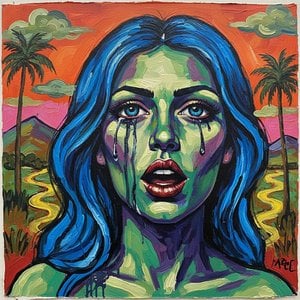
Embark on a journey through the vibrant world of Fauvism. Discover how masters like Henri Matisse revolutionized art through bold colors and raw emotion in this expert-led guide to one of modern art's most powerful movements.

Explore the vibrant world of Fauvism with our expert guide. Discover how Matisse and Derain revolutionized art through bold colors and expressive strokes. Perfect for classic art enthusiasts seeking to deepen their passion for modern masterpieces.
 Podgląd w skali 1:1
 Wyślij jako kartkę
 Udostępnij
 Szczegóły dzieła
 Przewodnik

 Pobierz obraz
 Podobne obiekty
 RTG
RTG Pokaz slajdów
 Pytania i odpowiedzi
 Statystyki

 Rozwiń treść









 Opcja ze szkłem jest dostępna wyłącznie w rozmiarach poniżej 110 cm


