


Druk giclée lub płótno o jakości muzealnej, szybka realizacja i szeroki wybór opcji wykończenia. ( Zamów ręcznie malowaną reprodukcję Kup obraz wysokiej rozdzielczości)





























Wybierz spośród naszych standardowych rozmiarów, które zachowują oryginalne proporcje dzieła sztuki.

Możesz wprowadzić własne wymiary, aby dopasować dzieło do konkretnej ramy lub przestrzeni. Jeśli wybrany rozmiar nie będzie odpowiadał proporcjom oryginalnego obrazu, przytniecie dzieło lub rozszerzymy obraz za pomocą odbicia lustrzanego lub jednolitego wypełnienia krawędzi. Przed rozpoczęciem produkcji prześlemy cyfrową wizualizację do Twojej akceptacji.
Prosimy pamiętać, że podgląd na ekranie nie odzwierciedla faktycznego przycinania ani rozszerzania. Tylko wizualizacja dokładnie pokaże końcową kompozycję.
Mimo dostępności niestandardowych rozmiarów, zalecamy wybór wymiaru z listy zdefiniowanej, aby zachować oryginalne proporcje.
Dostawa na cały świat () w ciągu 2 tygodni zamiast standardowych 4/5 tygodni. (7 Wrzesień)


Lunia Czechovska
Wymiary reprodukcji
In the pantheon of early 20th-century modernism, few portraits possess the haunting, melancholic magnetism of Amedeo Modigliani’s 1919 masterpiece, Portrait of Lunia Czechowska. To look upon this canvas is to enter a silent dialogue with the subject, a moment frozen in time where the boundaries between the observer and the observed begin to dissolve. The painting captures a woman of striking presence, her vibrant red hair pulled back into a soft ponytail, framed by the crisp simplicity of a white shirt. Yet, it is not merely the physical likeness that arrests the viewer; it is the profound, almost spiritual depth found within her eyes. Modigliani, a master of the human psyche, utilizes a close-up composition to force an intimate encounter, stripping away the distractions of the external world to focus entirely on the quiet intensity of the sitter's gaze.
The technique employed in this oil on canvas is a quintessential expression of the École de Paris style. Modigliani’s hand is evident in the deliberate, rhythmic application of paint that lends a sculptural quality to the flesh. While his work often features the surreal elongation of necks and faces—a hallmark of his unique modernism—in this portrait, there is a grounded, tender realism that balances his characteristic stylization. The brushwork is smooth yet textured, creating a luminous skin tone that seems to glow against the more muted, atmospheric background. This interplay of light and shadow does more than define form; it breathes life into the subject, suggesting a warmth and vitality that contrasts beautifully with the underlying sense of wistful longing often found in his oeuvre.
Color serves as the emotional heartbeat of this work. The fiery, autumnal hues of Lunia’s hair act as a focal point, drawing the eye immediately to the upper portion of the canvas before leading it downward toward the stark, clean lines of her white attire. This contrast between the warmth of the hair and the coolness of the shirt creates a visual tension that mirrors the complexity of human emotion—a blend of passion and restraint. The palette is sophisticated and restrained, avoiding unnecessary ornamentation to ensure that every pigment serves the narrative of the soul. For the discerning collector or interior designer, this piece offers a remarkable versatility; its bold yet harmonious tones can anchor a room with a sense of historical gravity while providing a sophisticated pop of color that complements both contemporary and classical decor.
Beyond the aesthetic brilliance, the historical context of 1919 adds a layer of poignant resonance to the piece. Created in the aftermath of the Great War, a period of immense global transition and collective mourning, Modigliani’s work often reflects a search for identity and beauty amidst fragility. The portrait of Lunia Czechowska stands as a testament to the enduring power of the individual spirit. There is a profound sense of dignity in her expression, an unyielding presence that speaks to the resilience of the human condition. To possess a reproduction of this painting is to bring more than just art into a space; it is to invite a contemplative atmosphere, a piece of history that continues to whisper stories of beauty, loss, and the eternal search for connection.

1884 - 1920 , Włochy
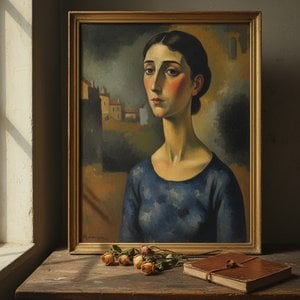
Delve into the haunting beauty of Amedeo Modigliani's portraits. Explore the intersection of Expressionism and Modernism through an expert analysis of his iconic elongated forms, melancholic gazes, and profound influence on art history.

Discover the profound beauty of Modigliani-style art. Explore the elegance of elongated forms and soulful portraits through our expert curation of hand-painted oil reproductions and museum-quality prints designed for the sophisticated collector.

Explore the profound psychological depth of Expressionist portraiture. From Munch to Schiele, discover how distorted forms and visceral brushstrokes unmask raw human emotion in this definitive guide for art enthusiasts and collectors.

Explore the profound emotional depth of Expressionist painting. From the bold colors of Emil Nolde to the distorted forms of Kirchner, discover how this movement redefined art through raw feeling and visceral texture in our expert guide to art history.

Discover the profound power of Expressionist art. From the raw intensity of Edvard Munch to the visceral textures of Neo-Expressionism, explore how subjective emotion and distorted reality define this movement. An expert guide for discerning collectors seeking depth and soul in fine art.

 Podgląd w skali
 Wyślij jako kartkę
 Udostępnij
 Szczegóły dzieła

 Pobierz
 Podobne obiekty
 RTG
RTG Pokaz slajdów

 Rozwiń treść







 Opcja ze szkłem jest dostępna wyłącznie w rozmiarach poniżej 110 cm


