Pionier orientalistycznych wizji: Życie i sztuka Alexandre’a Gabriela Decampsa
Alexandre Gabriel Decamps, nazwisko rezonujące żywymi barwami egzotycznych krajobrazów i dramatycznym rozmachem romantyzmu, wyłonił się jako kluczowa postać francuskiego malarstwa XIX wieku. Urodzony w Paryżu 3 marca 1803 roku, przeszedł artystyczną drogę pełną śmiałych innowacji, rzucając wyzwanie akademickim konwencjom i torując szlak temu, co później przeszło do historii jako orientalizm. Choć jego współcześni, tacy jak Delacroix czy Ingres, również zajmowali prestiłowe miejsca w świecie francuskiej sztuki, Decamps wyróżnił się niezwykle osobistym stylem – połączeniem skrupulatnej obserwacji, dramatycznej kompozycji i urzekającej narracji, która wciągała widzów w światy jednocześnie bliskie i całkowicie obce. Wczesne uznanie dla jego talentu zapowiadało karierę naznaczoną triumfami, których zwieńczeniem było zdobycie Grand Medal na Wystawie Paryskiej w 1855 roku – dowód jego wyjątkowych umiejętności i unikalnej wizji. Poza płótnem Decamps był człowiekiem głęboko związanym z naturą; odnajdywał ukojenie i inspirację na paryskich przedmieściach, gdzie oddawał się pasji do zwierząt i łowiectwa – zamiłowaniu, które subtelnie przenikało przez znaczną część jego twórczości.
Od Pisma Świętego po Saharę: Ewolucja stylu artystycznego
Rozwój artystyczny Decampsa charakteryzował się gotowością do eksplorowania różnorodnych tematów i technik. Początkowo przyciągane scenami historycznymi i biblijnymi, jego prace szybko zyskały odrębność dzięki przedstawianiu tych narracji z niespotykanym dotąd poziomem realizmu – osadzał je on w autentycznych, lokalnych sceneriach, zamiast polegać na wyidealizowanych czy konwencjonalnych reprezentacjach. To dążenie do prawdy wynikało z jego podróży na Wschód, doświadczeń, które głęboko wpłynęły na jego wrażliwość artystyczną. Nie tylko odtwarzał to, co widział; on przekazywał poczucie atmosfery, światła i samej esencji tych odległych krain. Przykładem może być
Joseph sprzedany przez braci, który nie jest jedynie ilustracją biblijnej opowieści, lecz żywym portretem konkretnego czasu i miejsca, przesyconym głębią emocjonalną i psychologiczną przenikliwością. Podejście to rozciągało się na jego większe dzieła historyczne, takie jak
Porażka Cimbrów, gdzie po mistrzowsku uchwycił chaos i brutalność bitwy, prezentując zdolność do prowadzenia wielkoskalowych kompozycji z dynamiczną energią. Jednak to właśnie przedstawienia życia orientalnego sprawiły, że stał się on postacią wyjątkową. Ukazywał codzienne sceny – targowiska, szkoły, wnętrza domowe – z wiernością, która początkowo wprawiała krytyków przyzwyczajonych do bardziej romantyzowanych lub stereotypowych obrazów w osłupienie.
Ojciec orientalizmu i jego trwały wpływ
Decamps jest słusznie uważany za ojca założyciela orientalizmu w malarstwu francuskim. Przed nim przedstawienia Wschodu były często filtrowane przez pryzmat fantazji i egzotyki. On zaprezentował inną wizję – zakorzenioną w bezpośredniej obserwacji i szczerej ciekawości. Jego wystawa w Salonie w 1831 roku stała się punktem zwrotnym, wprowadzając paryską publiczność w nieprzefiltrowany obraz życia w Afryce Północnej i na Bliskim Wschodzie. To przełomowe podejście rezonowało zarówno z artystami, jak i pisarzami, inspirując falę dzieł orientalistycznych, które zdominowały dużą część sztuki XIX wieku. Jego styl – charakteryzujący się odważnymi pociągnięciami pędzla, uderzającymi kontrastami światła i cienia oraz wyczuwalną atmosferą – stał się punktem odniesienia dla pokoleń malarzy, fotografów i autorów.
Maxime du Camp słynnie nazwał go „Krzysztofem Kolumbem Orientu”, uznając jego pionierską rolę w otwieraniu tych nowych terytoriów artystycznych. Dzieło
Albańska tancerka, z jego żywymi kolorami i energetyczną kompozycją, stanowi przykład jego zdolności do chwytania ducha kultury przy jednoczesnym zachowaniu wyraźnie francuskiej wrażliwości estetycznej. Nawet dzieła satyryczne, jak
Koneserzy małp – będące żartobliwym uderzeniem w konserwatywne jury Académie des Beaux-Arts – demonstrują jego chęć rzucania wyzwania ustalonym normom i przyjęcia bardziej niezależnej wizji artystycznej.
Tragiczny koniec i nieprzemijające dziedzictwo
Niestety, życie Decampsa zostało przerwane 22 sierpnia 1860 roku w wieku 57 lat, w wyniku wypadku podczas polowania w pobliżu Fontainebleau. Jego przedwczesna śmierć odebrała światu sztuki prawdziwie innowacyjny talent, lecz jego dziedzictwo trwa dzięki urzekającym obrazom i ich nieprzemijającemu urokowi. Dziś arcydzieła takie jak
Pożar włoskiej wioski, z dramatycznym przedstawieniem konfliktu i mistrzowskim użyciem impastu, czy
Beduin i wielbłąd odpoczywający na pustyni, ukazujące tekstury i spokój pustynnego życia, są celebrowane za ich wartość artystyczną i znaczenie historyczne. Jego prace można odnaleźć w prestiżowych instytucjach, takich jak Musée du Louvre w Paryżu, co gwarantuje, że jego wizja nadal inspiruje i zachwyca odbiorców na całym świecie. Platformy takie jak WahooArt.com odgrywają kluczową rolę w zachowaniu i upowszechnianiu jego sztuki, oferując wysokiej jakości reprodukcje, które pozwalają miłośnikom bezpośrednio doświadczyć piękna i siły malarstwa Decampsa. Jego wpływ wykracza poza sferę malarstwa, kształtując postrzeganie Wschodu i pozostawiając niezatarty ślad w krajobrazie kulturowym XIX-wiecznej Europy.
Eksploracja świata Decampsa: Wybrane dzieła
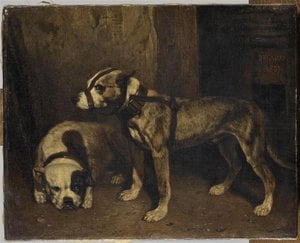
- CHIENS BRIFAUTS: Urocza orientalistyczna scena przedstawiająca psy w pełnym życia otoczeniu.
- LA COUR DE FERME: Urzekający obraz z XIX wieku, łączący francuski romantyzm z historycznym detalem.
- L’ÉCOLE TURQUE: Żywy opis tureckiej szkoły, uchwycony w celu oddania energii i atmosfery codziennego życia.
- PAYSAGE TURC: Spokojny pejzaż badający realizm i romantyzm w francuskiej estetyce.



 Podgląd w skali
 Przełącz na wydruki
 Wyślij jako kartkę
 Udostępnij
 Szczegóły dzieła

 Pobierz
 Podobne obiekty
 RTG
RTG Pokaz slajdów
 Statystyki

 Rozwiń treść






































 Opcja ze szkłem jest dostępna wyłącznie w rozmiarach poniżej 110 cm