DARMOWA KONSULTACJA ARTYSTYCZNA

x
Zamów wydruk Zamów wydrukZamów reprodukcję Zamów reprodukcję UdostępnijUdostępnij
SzczegółySzczegóły Dodaj do ulubionych Dodaj do ulubionych PobierzPobierz Podobne obiektyPodobne obiekty RTGRTG Pokaz slajdówPokaz slajdów

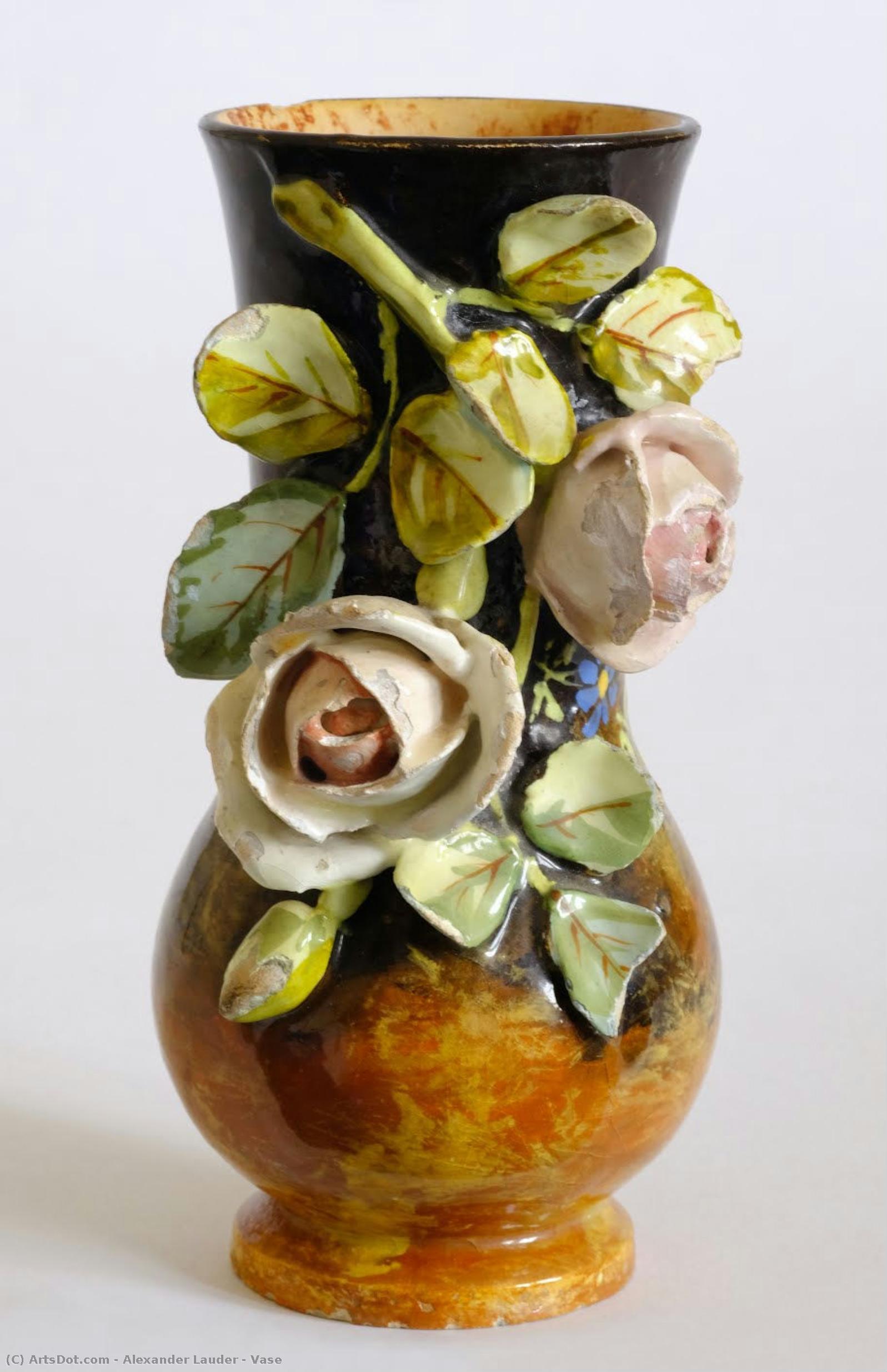
Vase

Discover Alexander Lauder (1870-1943), a Scottish agricultural chemist & ceramic artist. Admire his charming ‘Vase’ and explore British art from the early 20th century.

Kup wysokiej rozdzielczości, ulepszony obraz cyfrowy, znacznie lepszy niż podgląd online.

Każdy plik jest starannie przygotowywany przez naszych specjalistów przy użyciu zaawansowanych narzędzi oraz profesjonalnej, ręcznej retuszy. Dbamy o to, aby każdy obraz cechował się wyjątkową ostrością, precyzyjnym odwzorowaniem kolorów i subtelnymi detalami.

Ostateczny plik dostarczany jest drogą mailową w ciągu 72 godzin, zoptymalizowany do natychmiastowego wykorzystania w profesjonalnych zastosowaniach redakcyjnych i poligraficznych. To ta sama jakość, której ufają czołowe studia projektowe, wydawnictwa oraz galerie sztuki.

Obraz cyfrowy

Pobierz plik o wysokiej rozdzielczości do osobistego wyświetlania, druku oraz projektów kreatywnych.

Suma do zapłaty

$9.99

Zawarte w każdym zamówieniu na obraz cyfrowy

Profesjonalna dostawa cyfrowa, gwarantowana

Wybierając WahooArt.com, nie otrzymujesz jedynie obrazu – otrzymujesz profesjonalnie udoskonalone cyfrowe dzieło sztuki, stworzone z najwyższą precyzją i objęte gwarancją satysfakcji. Oto wszystko, co automatycznie dołączane jest do Twojego zamówienia:

shipping_icon
Błyskawiczna wysyłka e-mailowa

Plik z obrazem cyfrowym w wysokiej rozdzielczości zostanie przesłany na Twój adres e-mail w ciągu 72 godzin od złożenia zamówienia – gotowy do natychmiastowego użycia.

canvas_icon
Plik cyfrowy wzbogacony przez AI

Twoja grafika została profesjonalnie zoptymalizowana przy użyciu zaawansowanych narzędzi AI oraz ręcznej edycji, co zapewnia maksymalną szczegółowość, klarowność i wierność kolorów.

insurance_icon
Dożywotnia darmowa ponowna dostawa

Przypadkowo usunąłeś lub zgubiłeś swój plik? Bez obaw – prześlemy go Tobie ponownie w dowolnym momencie, bez żadnych opłat.

tax_icon
Bez opłat importowych – zawsze

Ciesz się swoją sztuką natychmiast, bez żadnych opłat celnych, należności ani kosztów dostawy – pliki cyfrowe są zawsze wolne od podatku.

color_icon
Gwarancja wierności kolorów

Dzięki zastosowaniu profesjonalnych narzędzi i procesów zarządzania barwą zapewniamy, że Twoje cyfrowe zdjęcie odzwierciedla oryginalne kolory tak wiernie, jak to tylko możliwe.

return_icon
60-dniowa gwarancja satysfakcji

Jeśli nie będziesz zadowolony ze swojego cyfrowego obrazu, poprawimy go lub zwrócimy 100% kosztów w ciągu 60 dni – bez żadnych pytań.

guarantee_icon
100% Gwarancja zwrotu pieniędzy

Nie zadowoleni? Otrzymaj pełny zwrot kosztów w ciągu 60 dni od otrzymania pliku cyfrowego – bez zbędnych pytań.

discount_icon
Rabaty na zamówienia hurtowe

Kup 3 obrazy, oszczędź 10% - Kup 5, oszczędź 15% - Kup 10+, oszczędź 20%. Idealne do projektów kreatywnych, galerii i agencji.


Biografia artysty

A Life Bridging Science and Serenity: The Art of Alexander Lauder

Alexander Lauder (1870-1943) presents a fascinating paradox – a dedicated agricultural chemist who found profound artistic expression in the delicate world of ceramic painting. Born in Greenock, Scotland, his life was initially defined by rigorous scientific pursuit, yet he cultivated a parallel passion that blossomed into a charming and distinctive body of work. Lauder’s story isn't one of abandoning science for art, but rather of seamlessly integrating observation, precision, and an appreciation for the natural world honed through his professional life into his creative endeavors.

Lauder received his early education at the Andersonian College in Glasgow under the tutelage of Professor William Dittmar, a figure known for his work in analytical chemistry. He continued his studies at the University of Edinburgh, laying a solid foundation in scientific principles. His career path led him through academic positions – beginning as an assistant lecturer at University College Bangor in Wales before returning to Edinburgh, where he lectured in Agricultural Chemistry and also shared his expertise at the East of Scotland College of Agriculture. It was during this period, residing at 13 George Square, that Lauder began to explore his artistic inclinations more fully.

From Laboratory to Landscape: The Development of an Artistic Voice

While deeply immersed in the world of chemistry, Lauder’s artistic journey wasn't a sudden shift but a gradual unfolding. His scientific background profoundly influenced his approach to painting. He possessed an acute eye for detail and a methodical understanding of materials – qualities that translated beautifully into his ceramic work. The precision required in chemical analysis likely fostered a similar attention to nuance when mixing pigments and applying brushstrokes. It’s tempting to speculate whether his research into agricultural processes sparked a deeper appreciation for the organic forms and subtle colors found in nature, which became central themes in his art.

Lauder's work is characterized by its gentle realism and idyllic scenes. He didn’t strive for grand statements or dramatic compositions; instead, he focused on capturing quiet moments of beauty – a duck peacefully foraging, the delicate curve of a flower petal, the soft glow of light on water. His paintings often feature charming depictions of domestic animals, particularly ducks, rendered with a warmth and affection that resonates deeply with viewers. These weren’t merely representations; they were imbued with a sense of tranquility and harmony.

Fellowship and Recognition: Acknowledging Lauder's Contributions

Lauder’s dedication to his field was formally recognized in 1905 when he obtained a Doctor of Science (DSc) degree from the University of Edinburgh. Further testament to his standing within the scientific community came in 1910 with his election as a Fellow of the Royal Society of Edinburgh. His proposers – Sir James Johnston Dobbie, Alexander Crum Brown, Sir James Walker, and Arthur Pillans Laurie – were all prominent figures in their respective fields, signifying the respect he commanded among his peers. He further served the society as its Secretary from 1923 to 1928.

However, it is through his art that Lauder perhaps leaves the most enduring legacy. While not widely known during his lifetime, his ceramic paintings have gained appreciation in recent years for their unique charm and understated beauty. His work offers a glimpse into a world where scientific rigor and artistic sensitivity coexist harmoniously.

A Lasting Impression: The Significance of Lauder's Art

Alexander Lauder’s art represents a delightful intersection of disciplines. He wasn’t simply an agricultural chemist who dabbled in painting; he was an artist whose scientific background informed his unique vision and approach. His paintings, particularly those featuring ducks, evoke a sense of peacefulness and nostalgia, offering a respite from the complexities of modern life.

His work stands as a testament to the power of observation, the beauty of simplicity, and the enduring appeal of the natural world. While his scientific publications contributed to the advancement of agricultural chemistry, it is through his ceramic paintings that Lauder’s spirit continues to captivate and inspire – a gentle reminder that art and science can coexist beautifully, enriching our understanding and appreciation of both.

alexander lauder

alexander lauder

1870 - 1943 , United Kingdom

Krótka nota

  • Artistic Movement Or Style: Ceramic art
  • Date Of Birth: 1870
  • Date Of Death: 1943
  • Full Name: Alexander Lauder
  • Nationality: Scottish
  • Notable Artworks:
    • Vase
    • Wall Pocket
  • Place Of Birth: Greenock, UK