x
Podgląd w skaliPodgląd w skali Podgląd ARPodgląd AR Zamów wydruk Zamów wydrukKup obraz wysokiej rozdzielczości Kup obraz wysokiej rozdzielczości Wyślij jako kartkęWyślij jako kartkę
Szczegóły dziełaSzczegóły dzieła Dodaj do ulubionych Dodaj do ulubionych PobierzPobierz Podobne obiektyPodobne obiekty RTGRTG Pokaz slajdówPokaz slajdów

The Tempest

Explore Albert Pinkham Ryder's evocative masterpiece 'The Tempest,' depicting a dramatic storm scene inspired by Shakespeare and showcasing his signature tonalist style at the Detroit Institute of Arts.

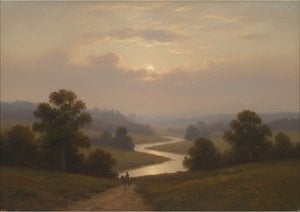
Podziwiający obraz Alberta Pinkhama Rydera „Ścieżka wyścigowa”, arcydzieło Symbolizmu i Ekspresjonizmu, przedstawiające melancholijną krajobrazową scenę z samotnym jeźdźcem na koniu przeciwko ponuremu niebu. Znajdziesz tu głębokie emocje i bogatą kolorystykę.

Ręcznie malowana reprodukcja olejowa

Ręcznie malowany obraz olejny na płótnie, wykonany na zamówienie przez naszych artystów w wybranym przez Ciebie wymiarze i oprawie. (Zamów wydruk Zamów wydrukKup obraz wysokiej rozdzielczości Kup obraz wysokiej rozdzielczości)

P118B $10
P118H $10
P118W $10
P438Z $10
P508JH $12
P508YH $12
P805H $10
P805Z $10
P919BZ $10
P919G $10
P919XJ $10
P959ZH $10
P968JZ $12
W106C $8
W218G $10
W218JH $8
W218Y $10
W307PJ $10
W316G $10
W316PJ $8
W316Y $10
W398PJ $8
W4111J $10
W500HY $15
W500JH $15
W692G $12
W849H $8
W940BG $15
W953PJ $8

Standardowy rozmiar
na wymiar
CM
INCH

Wybierz spośród naszych standardowych rozmiarów, które zachowują oryginalne proporcje dzieła sztuki.

szerokość
wysokość

Możesz wprowadzić własne wymiary, aby dopasować obraz do konkretnej ramy lub przestrzeni. Jeśli wybrany rozmiar nie będzie odpowiadał proporcjom oryginału, przytniecie dzieło sztuki lub rozszerzymy je o dodatkowe elementy, ręcznie domalowane przez artystę. Przed rozpoczęciem produkcji wyślemy projekt cyfrowy do Twojej akceptacji.
Należy pamiętać, że podgląd na ekranie nie odzwierciedla rzeczywistego przycinania ani rozszerzania obrazu. Tylko projekt dokładnie pokaże ostateczną kompozycję.
Choć oferujemy możliwość zamówienia niestandardowych rozmiarów, zalecamy wybór wymiaru z gotowej listy, aby zachować oryginalne proporcje dzieła.

Przykłady możliwych zmian: Zamień twarz na zdjęcie klienta; Dodaj zwierzę domowe (np. zamień kota na psa); Ukryj wiadomość w tle; Zmień krajobraz lub elementy tła.
Po złożeniu zamówienia zespół WahooArt.com skontaktuje się z klientem drogą mailową w celu uzyskania instrukcji i prześle wizualizację projektu

Dostawa na całym świecie () w ciągu 3–4 tygodni zamiast standardowych 5 tygodni. (27 Sierpień). Bez kompromisów w kwestii jakości.

why_choose_icon
Bezpłatna ekspresowa wysyłka na cały świat
why_choose_icon
Wysokiej jakości płótno lniane
why_choose_icon
Pełne ubezpieczenie przesyłki
why_choose_icon
Gwarancja zwrotu należności celnych i podatków importowych
why_choose_icon
Gwarancja wiernego odwzorowania kolorów
why_choose_icon
Polityka 60-dniowego zwrotu (tylko w przypadku wad)
why_choose_icon
Gwarancja 100% zwrotu kosztów
why_choose_icon
Zniżka przy zamówieniu wielu produktów

Suma całkowita

$ 272

reproduction

The Tempest

Technika reprodukcji

Wymiary reprodukcji

-

Cena całkowita

$ 272

Szybki podgląd

  • Artistic style: Dreamlike, melancholic
  • Artist: Albert Pinkham Ryder
  • Location: Detroit Institute of the Arts
  • Medium: Oil on canvas
  • Notable elements or techniques: Bold brushstrokes; light and shadow
  • Title: The Tempest

Quiz o sztuce

Do każdego pytania dotyczy tylko jedna poprawna odpowiedź.

Pytanie 1:
In what year was Albert Pinkham Ryder's painting 'The Tempest' created?
Pytanie 2:
What is a defining characteristic of Albert Pinkham Ryder's painting style, as mentioned in the description?
Pytanie 3:
What natural element heavily contributes to the dramatic atmosphere depicted in 'The Tempest'?
Pytanie 4:
What object are the two main figures in 'The Tempest' holding to provide light?
Pytanie 5:
Where is the painting 'The Tempest' housed, according to the provided information?

Opis dzieła

The painting The Tempest by Albert Pinkham Ryder is a captivating work of art that showcases the artist's unique style and contribution to the American art movement. Created in 1892, this oil on canvas piece is housed at the Detroit Institute of the Arts in Detroit, United States.

Artist Background

Albert Pinkham Ryder was an American artist known for his dreamlike and often melancholic paintings. His style is characterized by the use of bold colors and loose brushstrokes, which gives his works a sense of movement and energy. Ryder's paintings often depicted landscapes, seascapes, and figurative scenes, showcasing his ability to capture the beauty of the natural world.

The Painting's Composition

The painting The Tempest depicts a dramatic scene of two people standing on a rocky hillside during a storm. The man appears to be pointing towards the sky while the woman stands beside him, both holding lanterns in their hands. The use of light and shadow creates a sense of depth and atmosphere, drawing the viewer into the scene. The brushstrokes are bold and expressive, giving the painting a sense of movement and energy.
  • The painting's composition is characterized by the use of contrasting colors and bold brushstrokes, which creates a sense of tension and drama.
  • The scene is set against a backdrop of a stormy sky, with the wind and rain adding to the sense of turmoil.
  • The figures in the painting are faceless, which adds to the sense of mystery and universality.
For more information on Albert Pinkham Ryder and his works, visit https://WahooArt.com. To learn more about the Detroit Institute of the Arts, visit their website or check out /art/list/?Filter=8YE4QC-Albert-Pinkham-Ryder-The-Tempest.
You can also find more information on Albert Pinkham Ryder on Wikipedia.

O artyście

Albert Pinkham Ryder – A Visionary of Mood and Light

Albert Pinkham Ryder (1847-1917) remains a figure shrouded in artistic enigma, yet undeniably influential within the annals of American art history. Details concerning his formative years are scarce—fragments gleaned from archival records paint a picture of a childhood steeped in the maritime atmosphere of New Bedford, Massachusetts. Little is known about Ryder’s early life beyond this coastal upbringing, which undoubtedly instilled within him an enduring fascination with the sea and its transformative power. This fascination would become a recurring motif throughout his oeuvre, manifesting itself as a constant source of inspiration for decades to come.

Early Life and Artistic Beginnings

Ryder's family relocated to New York City in 1867 or 1868, joining Ryder’s elder brother who had established Hotel Albert in Greenwich Village—a landmark reflecting the burgeoning cultural dynamism of the era. This move placed young Albert within a milieu brimming with artistic possibilities and exposure to groundbreaking ideas. Balancing familial responsibilities alongside his unwavering passion for painting, he diligently honed his craft, laying the groundwork for his future artistic trajectory. Despite facing rejection from the National Academy of Design—a pivotal moment in his artistic ambitions—Ryder persevered, securing admittance after a second attempt and forging an enduring friendship with fellow artist Julian Alden Weir. These formative years nurtured his technical skills and introduced him to the established art world, shaping his aesthetic sensibilities profoundly.

Formal Training and European Influences

Ryder’s formal artistic education commenced under William Edgar Marshall in New York City before he enrolled at the National Academy of Design between 1870 and 1875. His initial exhibition in 1873 cemented his position within the artistic landscape, establishing a lifelong connection with Weir—a bond that would prove invaluable throughout his career. These years instilled in him a mastery of traditional techniques while simultaneously fostering an openness to innovative concepts championed by European artists. Between 1877 and 1903, Ryder embarked on four transformative journeys to Europe, immersing himself in the artistic currents of the Old World—a period that irrevocably altered his artistic vision. He was particularly captivated by the French Barbizon school’s emphasis on naturalism and plein air painting, alongside the Dutch Hague School's muted color palettes and atmospheric landscapes. These influences instilled within him a profound appreciation for tonal effects and textural nuances—elements that would become hallmarks of his distinctive style.

A Distinctive Artistic Style: Tonalism and Symbolism

Ryder’s artistic approach distinguished itself from prevailing trends, prioritizing mood and emotion over meticulous detail. He eschewed academic conventions in favor of expressive brushwork and a deliberate manipulation of color to convey intangible feelings—a stylistic choice that foreshadowed the burgeoning movement of Abstract Expressionism. His canvases frequently depict solitary figures enveloped within expansive landscapes or seascapes bathed in ethereal light—scenes imbued with an otherworldly quality that transcends mere representation. Ryder’s masterful use of tonal variations—subtle gradations of hue and shade—created a palpable sense of atmosphere, mirroring the psychological depth he sought to capture on canvas. Recurring motifs included biblical narratives and mythological references—symbols that resonated deeply within his artistic imagination and reflected his spiritual convictions.

Legacy and Recognition

Ryder’s oeuvre garnered considerable acclaim during his lifetime, securing him a place alongside European masters at the groundbreaking 1913 Armory Show—an event that effectively defined modern art in America. His singular vision captivated critics and fellow artists alike, establishing him as a pioneer of American Tonalism and Symbolism. Notably, Jackson Pollock famously proclaimed Ryder’s influence on his own work, recognizing him as “the only American master who interests me.” Ryder's enduring legacy continues to inspire contemporary artists—a testament to the timeless power of his artistic intuition and unwavering dedication to exploring the expressive potential of color and form. His paintings remain treasured artifacts of American art history—illuminating glimpses into a visionary artist’s profound engagement with both nature and spirituality.
Albert Pinkham Ryder

Albert Pinkham Ryder

1847 - 1917 , Stany Zjednoczone

Krótka nota

  • Artistic Movement Or Style: Tonalism & Symbolism
  • Artists Who Influenced This Artist:
    • William Edgar Marshall
    • J. Alden Weir
  • Date Of Birth: March 19, 1847
  • Date Of Death: March 28, 1917
  • Full Name: Albert Pinkham Ryder
  • Nationality: American
  • Notable Artworks:
    • Misty Moonlight
    • The Race Track
    • Siegfried & Rhine Maidens
  • Place Of Birth: New Bedford, USA
Odkryj dzieła sztuki uporządkowane według tematów, stylów i cech charakterystycznych.