Gratis kunstkonsultasjon

x
Bestill trykk Bestill trykkBestill maleri Bestill maleri SendSend
DetaljerDetaljer Legg til i favoritter Legg til i favoritter Last ned bildetLast ned bildet Liknende objekterLiknende objekter RøntgenRøntgen LysbildefremvisningLysbildefremvisning

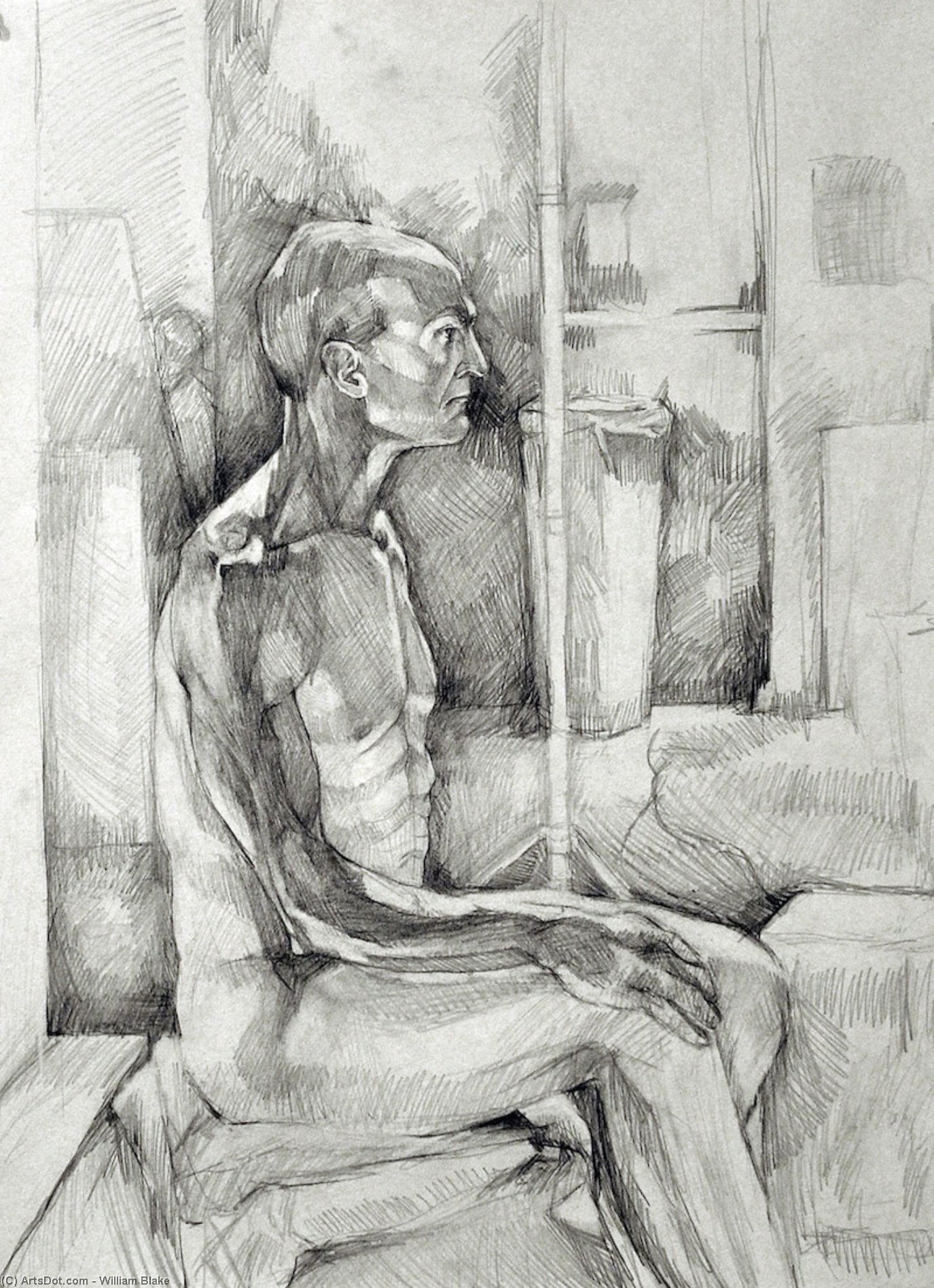
Untitled 6

This graphite drawing depicts a seated male figure against a simple wall backdrop, illuminated by diffused light. Executed in grayscale, it showcases Blake's signature academic style, utilizing hatching and crosshatching to build up tonal values and convey texture – mirroring the solemn contemplation of his subject matter.

Et kraftfullt vannfargekunstverk av William Blake som illustrerer Revelasjonen og utforsker kampen mellom godt og ondskap gjennom symbolikk og dynamiske komposisjoner.

Kjøp et høyoppløselig, forbedret digitalt bilde som er langt bedre enn forhåndsvisningen på nettet.

Hver fil er omhyggelig klargjort av våre egne spesialister ved hjelp av avanserte verktøy og profesjonell manuell retusjering. Vi sørger for at hvert bilde har eksepsjonell klarhet, presis fargegjengivelse og fine detaljer.

Den endelige filen leveres via e-post innen 72 timer, optimalisert for umiddelbar bruk i profesjonelle, redaksjonelle og trykte miljøer. Dette er den samme kvaliteten som benyttes av ledende designstudioer, utgivere og gallerier.

Digitalt bilde

Last ned en høyoppløselig fil for personlig bruk, utskrift og kreative prosjekter.

Totalbeløp

$9.99

Inkludert i alle bestillinger av digitale bilder

Ekspert digital levering, garantert

Når du velger WahooArt.com, får du ikke bare et bilde – du mottar et profesjonelt forbedret digitalt kunstverk, skapt med presisjon og med en garantert tilfredshetsgaranti. Her er alt som automatisk følger med din bestilling:

shipping_icon
Rask digital levering

Din høyoppløselige digitale bildefil sendes til din e-post innen 72 timer etter bestilling – klar til umiddelbar bruk.

canvas_icon
KI-forbedret digital fil

Ditt kunstverk blir profesjonelt optimalisert ved hjelp av avanserte AI-verktøy og manuell redigering, noe som sikrer maksimal detaljrikdom, klarhet og fargegjengivelse.

insurance_icon
Gratis livslang nyutlevering

Har du ved et uhell slettet eller mistet filen din? Ingen bekymring – vi sender den på nytt når som helst, helt gratis.

tax_icon
Ingen importavgifter – noen gang

Nyt ditt kunstverk umiddelbart uten toll, avgifter eller leveringskostnader – digitale nedlastinger er alltid avgiftsfrie.

color_icon
Garantert fargenøyaktighet

Vi sikrer at ditt digitale bilde gjenspeiler de originale fargene så nøyaktig som mulig ved hjelp av profesjonelle verktøy og fargehåndtering.

return_icon
60 dagers tilfredshetsgaranti

Hvis du ikke er fornøyd med ditt digitale bilde, vil vi revidere det eller refundere 100% innen 60 dager – uten spørsmål.

guarantee_icon
100% Penggaranti

Ikke fornøyd? Få full refusjon innen 60 dager etter at du har mottatt din digitale fil – uten spørsmål.

discount_icon
Rabatt ved storkjøp

Kjøp 3 bilder, spar 10% - Kjøp 5, spar 15% - Kjøp 10+, spar 20%. Ideelt for kreative prosjekter, gallerier og byråer.

Kort om verket

  • Medium: Graphite pencil on paper
  • Artistic style: Academic draftsmanship; Realistic depiction
  • Subject or theme: Male figure study; Biblical crucifixion scene
  • Artist: William Blake
  • Notable elements or techniques: Detailed hatching & shading; Anatomical realism.
  • Location: Private Collection

Beskrivelse av samlerobjektet

A Study in Quiet Contemplation: William Blake’s “Untitled 6”

William Blake's "Untitled 6" stands as a testament to the Romantic spirit—a deceptively simple pencil drawing brimming with profound observation and imbued with an atmosphere of solemn contemplation. Executed sometime around 1820, this piece exemplifies Blake’s distinctive approach to artistic representation: prioritizing psychological depth over mere visual accuracy. It's not merely a depiction of a seated male figure; it’s a distillation of emotion and intellect captured in meticulous detail.
  • Subject Matter: The drawing portrays a solitary man, positioned centrally within the frame, facing left. His gaze directs outwards, suggesting an engagement with something beyond the immediate visual field—perhaps a reflection on faith or mortality.
  • Style & Technique: Blake’s style leans heavily into academic draftsmanship, characterized by a commitment to precise proportions and tonal values achieved through painstaking pencil rendering. The technique utilizes hatching and cross-hatching extensively to build up shading, creating textures that mimic skin, fabric, and the wood of easels positioned behind him—a subtle nod to his artistic milieu.
  • Composition: The composition is carefully balanced, emphasizing the figure’s stillness and isolation. Two easels serve as grounding elements, anchoring the scene in an environment conducive to creative thought.

Light & Texture: Capturing Essence Through Pencil Rendering

Blake skillfully employs diffused lighting from the right side, casting shadows that delineate contours and highlighting areas of facial prominence—a technique designed to convey not just form but also mood. The artist’s masterful use of hatching creates a palpable textural quality; varying densities of lines simulate the surface appearance of materials, fostering an immersive experience for the viewer. This deliberate layering of tonal values underscores Blake's belief that art should strive to capture the inner spirit as much as it portrays external reality.

Symbolism & Emotional Resonance: A Moment Frozen in Time

Beyond its technical prowess, “Untitled 6” resonates with symbolic significance. The solitary figure embodies introspection and contemplation—a characteristic theme within Blake’s oeuvre. The drawing captures a fleeting moment of stillness, inviting viewers to consider the complexities of human experience and the pursuit of spiritual understanding. It speaks to the Romantic preoccupation with emotion and imagination as pathways to truth.

Historical Context & Legacy

Created during Blake's prolific period—a time marked by intense artistic experimentation and philosophical inquiry—this drawing reflects the broader intellectual currents of the Romantic Age. Blake’s unwavering conviction that “the imagination is the body of God” informs his entire artistic practice, prioritizing symbolic representation over literal depiction. Like many of his works, "Untitled 6" continues to inspire artists and scholars alike, cementing Blake's enduring legacy as a visionary artist who challenged conventional notions of beauty and truth.

Om kunstneren

A Visionary’s Journey: The Life and Art of William Blake

William Blake, born in London on November 28, 1757, was a figure perpetually out of step with his time, yet destined to become one of the most celebrated artists and poets of the Romantic Age. His life unfolded against the backdrop of a rapidly changing England—a world grappling with industrialization, political upheaval, and shifting spiritual beliefs. From humble beginnings as the son of a hosier, Blake’s early years were marked by an intensely vivid imagination and a propensity for visionary experiences that would profoundly shape his artistic trajectory. Though largely self-taught in formal academics, he received drawing instruction at a young age, quickly revealing a talent that hinted at the extraordinary path ahead. His apprenticeship with engraver James Basire proved pivotal, providing him not only with technical mastery but also an understanding of printmaking techniques he would later revolutionize. These early influences—the Gothic grandeur of Westminster Abbey, the classical forms of Raphael and Michelangelo—served as foundational elements in his developing aesthetic, though Blake was never one to remain bound by convention.

The Early Years: A Spark of Imagination

Blake’s formative years instilled within him a remarkable sensitivity to beauty and an unwavering belief in the power of imagination. Growing up in Soho, London, he absorbed the artistic currents of his era—particularly the ornate style of Gothic architecture—which fostered a fascination with elaborate ornamentation and storytelling. Despite lacking formal training, Blake possessed an innate aptitude for drawing, honing his skills through self-directed study and experimentation. His apprenticeship under James Basire, a respected engraver, provided invaluable experience in printmaking, equipping him with the technical tools necessary to realize his ambitious artistic visions. This early exposure to craftsmanship combined with a burgeoning inner life would become central to Blake’s distinctive creative process.

Illuminated Printing: A Revolutionary Technique

Blake’s artistic innovation wasn't merely about subject matter; it resided fundamentally in *how* he created. Dissatisfied with conventional engraving methods—which he considered sterile and incapable of conveying the full richness of his imagination—he developed a unique process known as “illuminated printing.” This involved etching both text and illustrations onto copper plates, then painstakingly hand-coloring the resulting prints—a laborious but deeply personal undertaking that allowed for complete artistic control. It wasn’t simply illustration accompanying poetry; it was an integrated art form where image and verse were inextricably linked, each enhancing the meaning of the other. Blake's breakthrough came from a profound spiritual experience following his brother’s death—an event that spurred him to explore visionary techniques rooted in alchemy and symbolism. This method allowed for unparalleled textural depth and color vibrancy, elevating printmaking beyond mere reproduction into a form of artistic expression akin to painting.

Major Works: Visions of Innocence and Experience

Blake's oeuvre encompasses a vast range of poetic and visual works—each imbued with symbolic significance and reflecting his unwavering commitment to exploring the complexities of human consciousness. Among his most celebrated achievements are *Songs of Innocence and of Experience* (1794), a dual collection that presents contrasting depictions of childhood—one characterized by purity and joy, the other marred by corruption and disillusionment. These poems are accompanied by exquisitely detailed engravings that amplify their emotional impact and reinforce their thematic unity. Equally remarkable is *The Marriage of Heaven & Hell* (1793)—a provocative prose poem that challenges conventional morality and celebrates energy, desire, and rebellion against restrictive doctrines. Blake’s illustrations for Dante's *Divine Comedy*, commissioned by John Flaxman, demonstrate his mastery of dramatic composition and his ability to translate complex narratives into powerful visual imagery—works that continue to captivate audiences today. Furthermore, *Jerusalem* (1804-1820), a sprawling epic poem exploring themes of prophecy, redemption, and the struggle between good and evil, stands as testament to Blake’s enduring imaginative power.

Legacy: An Influence That Endures

Blake's artistic vision profoundly impacted subsequent generations of artists and writers—particularly the Pre-Raphaelites, who embraced his style and symbolism as inspiration for their own creative endeavors. His rejection of academic conventions and his insistence on subjective experience paved the way for movements like Symbolism and Modernism, which recognized him as a precursor to avant-garde artistic expression. Blake’s enduring influence can be seen in contemporary artists who grapple with themes of mythology, spirituality, and social critique—artists who strive to capture the essence of human emotion and imagination through unconventional mediums. William Blake remains an artist whose work continues to provoke contemplation and inspire awe—a beacon of visionary creativity in a world increasingly dominated by rational thought. He died August 12, 1827, leaving behind a legacy that transcends time and borders, securing his place as one of the most important figures in British Romanticism.
William Blake

William Blake

1757 - 1827 , Storbritannia

Kort om kunstneren

  • Artistic Movement Or Style: Romantikk
  • Artists Who Influenced This Artist:
    • Rafael
    • Michelangelo
  • Date Of Birth: 1757
  • Date Of Death: 1827
  • Full Name: William Blake
  • Nationality: Britisk
  • Notable Artworks:
    • Lieder eines Innocents und einer Erfahrenen
    • Die Hochzeit von Himmel und Erde
    • Der Tiger
    • Jerusalem
  • Place Of Birth: London, UK