Om kunstneren
A Life Etched in Ink and Wood: The World of Tsukioka Yoshitoshi
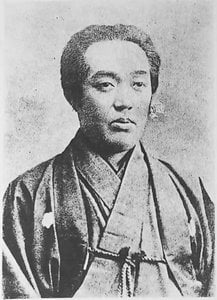
Tsukioka Yoshitoshi, født Owariya Yonejiro i 1839 midt i de travle gatene i Edo (moderne Tokyo), står som en monumental figur i japansk kunsthistorie. Han er bredt anerkjent som den siste store mesteren av *ukiyo-e*, “bildene fra det flytende verden,” men å definere ham utelukkende med denne tittelen er utilstrekkelig. Yoshitoshi var ikke bare en bevarer av tradisjon; han var en innovatør, en visuell forteller som fryktløst fanget den turbulente ånden i et Japan under radikal transformasjon. Hans liv utfoldet seg mot et bakteppe av samfunnsmessig opprør – de siste årene av Tokugawa-shogunate, Meiji-restaureringen og den raske tilstrømningen av vestlige ideer – alt som dypt påvirket hans kunstneriske visjon. Fra ydmyke begynnelser som sønn av en kjøpmann forhøyet til samurai-status, ledet Yoshitoshis vei inn i et lærerskap med Utagawa Kuniyoshi, en mesters hånd som ville være uomtvistelig innflytelsesrik. Dette formative perioden la ikke bare grunnlaget for teknisk dyktighet, men også en dyp forståelse for narrativ og dynamisk komposisjon.
Fra Lærling til Kunstnerisk Uavhengighet
Yoshitoshis tidlige år var fylt av den strenge disiplinen i *ukiyo-e*-trening under Kuniyoshi. Han absorberte sin mesters teknikker, finpusset sitt håndverk og lærte å oversette historier til fengslende visuell form. Likevel begynte Yoshitoshi raskt å forme sin egen vei. Mens han opprinnelig arbeidet innenfor etablerte konvensjoner, viste han snart en vilje til å presse grensene, spesielt i sine fremstillinger av vold og død. Disse var ikke grådig utstilling, men snarere refleksjoner over epokens uro og personlige tragedier – tapet av både sin far og Kuniyoshi hadde en dyp innvirkning på hans kunstneriske retning. Midten av 1860-tallet så Yoshitoshi anerkjennelse for det han ble kjent som sine “blødende trykk,” en serie karakterisert av grafisk bildebruk og dramatisk intensitet. Serier som *Eimei nijûhasshûku* (Femtiseks berømte mord med dikt) sjokkerte og fengslet publikum, og viste scener av brutal drap fremstilt med foruroligende realisme. Denne viljen til å konfrontere mørke temaer skilte ham fra mange av sine samtidige. Han eksperimenterte med forskjellige serier og motiver, inkludert den populære *Tsūzoku saiyūki* (“En moderne reise til Vesten”) og *Wakan hyaku monogatari* (“En hundre historier om Kina og Japan”), som demonstrerte en versjonalitet som ytterligere solidifiserte hans rykte.
Innovasjon i En Foranderlig Verden
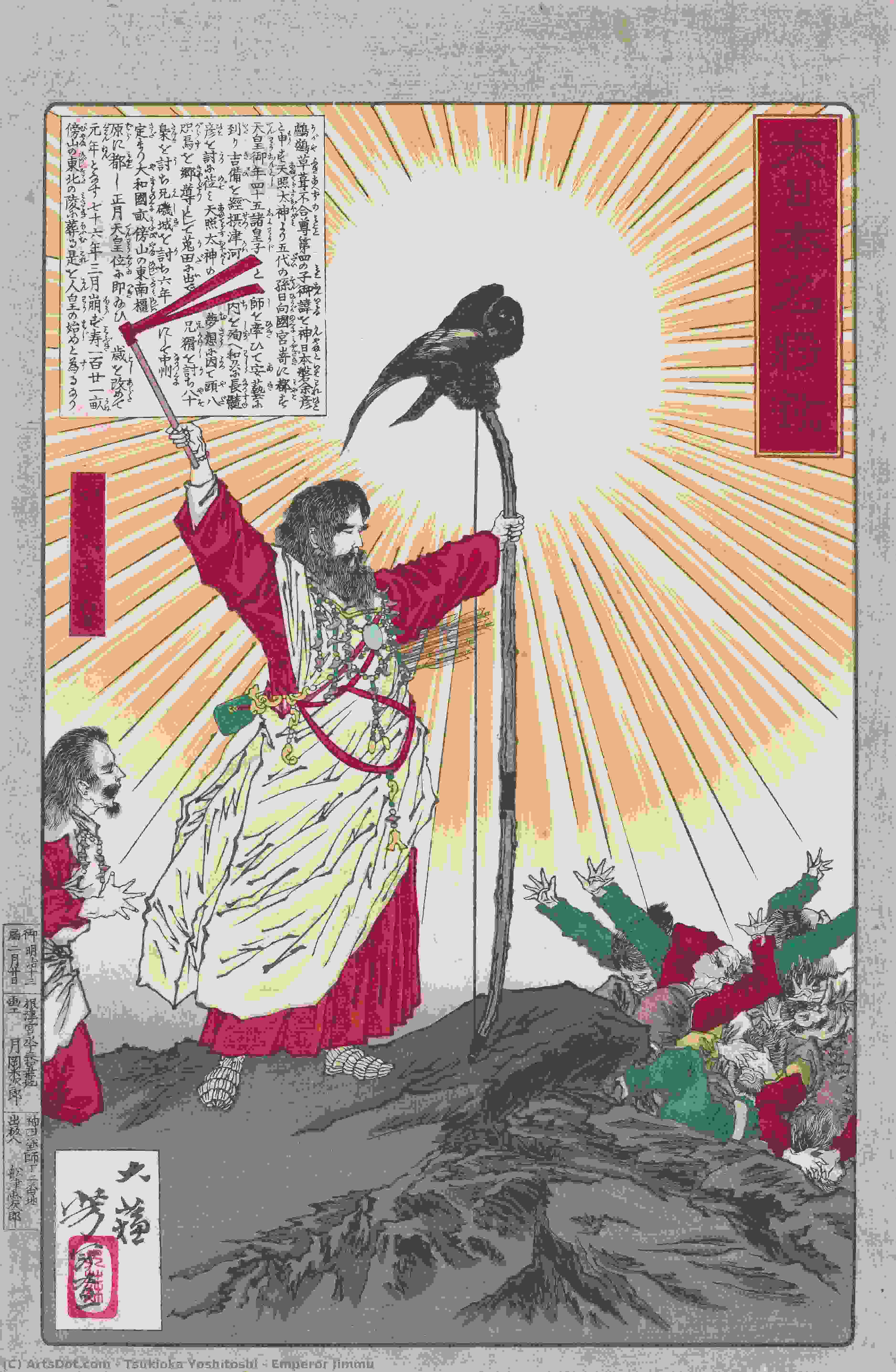
Yoshitoshis geni lå ikke bare i motivvalget, men også i hans kunstneriske teknikk. Han blandet mesterlig tradisjonelle japanske estetikk med vestlige innflytelser, og integrerte elementer av perspektiv og komposisjon hentet fra importerte trykk og gravyrer. Denne fusjonen skapte et unikt visuelt språk som var både distinkt japansk og slående moderne. Da Japan omfavnet modernisering, truet nye teknologier som fotografi og litografi selve eksistensen av *ukiyo-e*. Yoshitoshi erkjente denne utfordringen og reagerte ved å heve sin håndverk til uovertruffen kunstnerisk dyktighet. Han eksperimenterte med fargepaletter, finpusset sine skjæreteknikker og presset grensene for narrativ fortelling i treblokkmediet. Hans serie *Musha Burui* (Kriger Trykk) er et eksempel på denne dedikasjonen – hver trykk en dynamisk eksplosjon av handling og følelser, som viser hans ferdigheter i å fremstille helter og dramatiske kamper. Han forsto at for å overleve måtte *ukiyo-e* utvikle seg, og han dedikerte seg til å sikre dens fortsatte relevans.
Historisk Kontekst og Personlige Tragedier
Yoshitoshis liv utspilte seg i en tid preget av intens uro. Den vedvarende innflytelsen fra vestlige kolonier og vestlige ideer gjennom 1850- og 1860-årene hadde en dyptgripende påvirkning på et feudal og svært lukket japansk samfunn. Selv om den folkelige stemningen var sterkt anti-vestlig, var det de som erkjente at den eneste forsvaret mot Vesten var å adoptere dets overlegne militære og økonomiske teknologi. Denne spenningen mellom å avvise vestlig innflytelse og omfavne vestlig teknologi, kombinert med skogbranner, økonomisk resesjon og hyperinflasjon, rystet Tokugawa-shogunate (som styrte i navnet til keiseren, men utøvde nesten absolutt kontroll over alle politiske spørsmål) til grunnvollen. Denne konflikten kulminerte i 1868 med avsettelsen av Tokugawa-shogunate og dens erstatning med en mer moderne regjering som proklamert en keiserlig restaurering og en ny æra kalt Meiji ("Opplyst styre"). John Stevenson, i sin banebrytende arbeid, *One Hundred Aspects of the Moon* noterer at den virkningsfulle massakren av to tusen shogunate-soldater ved hendene til de velutstyrte keiserlige styrkene på slutten av borgerkrigen "resonnerte gjennom Yoshitoshis verk i mange år."
I tillegg til den politiske uroen, var Yoshitoshi plaget av personlige tragedier. Han mistet sin far i 1863 og hans mester Kuniyoshi i 1861, begge hendelser som formet hans kunstneriske retning. Hans liv ble preget av fattigdom, ensomhet og en konstant kamp for å overleve.
Et Kunstverk For Sinnet
Yoshitoshis mest kjente verk er de såkalte "blødende trykkene," der han skildret vold og død med en sjokkerende detaljert realisme. Disse seriene, som *Eimei nijûhasshûku* (Femtiseks berømte mord med dikt), viste ofte groteske scener av drap, stikking og henrettelser, ofte med fokus på kvinnelige ofre. Selv om disse trykkene var kontroversielle på sin tid, ble de også populære blant europeiske samlere og kritikere, som beundret Yoshitoshis evne til å fange den rå kraften i vold. Han brukte sine kunstneriske ferdigheter for å uttrykke en følelse av fortvilelse og urettferdighet, og reflekterte de vanskelige tider Japan opplevde på denne tiden.
Arv og Vedvarende Innflytelse
Til tross for enorme utfordringer – økonomisk nød, personlige kamper og nedgangen i tradisjonelle kunstformer – holdt Yoshitoshi fast ved sin forpliktelse til *ukiyo-e*. Han arbeidet utrettelig frem til sin død i 1892, og etterlot seg et omfattende verk som fortsatt inspirerer beundring og beundring. Selv om hans direkte innflytelse på neste generasjon japanske kunstnere er debattert, kan det ikke benektes at han står som en historisk figur. Yoshitoshi er den siste store mesteren av *ukiyo-e*, en sentral skikkelse som bevarte og hevet en kunstform under en periode med dyp transformasjon. Hans mot, visjon og urokkelige dedikasjon sikret at ånden i "det flytende verden" ville vare for kommende generasjoner. I dag er hans trykk feiret i museer og samlinger over hele verden, som vitnesbyrd om hans vedvarende kunstneriske arv.


 Forhåndsvisning
 Kjøp håndlaget maleri
 Send
Send Del med andre
 Vis detaljer
 Veiledning

 Last ned bildet
 Liknende objekter
 Røntgenundersøkelse
 Lysbildefremvisning
 Statistikk
 Vis hele teksten






































 Glassalternativet er kun tilgjengelig i størrelser under 110 cm