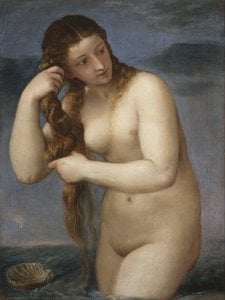
En renessanseekko i den nye verden
Titian Ramsay Peale II inntar en fascinerende, ofte oversett nisje i det amerikanske kunstlandskapet på 1800-tallet. Født i Philadelphia i 1799 vokste han opp i et sterkt kunstnerisk miljø som den yngste sønnen til Charles Willson Peale, en sentral skikkelse i tidlig amerikansk portrettmaleri og grunnleggeren av nasjonens første museum. Selv om farens arv ruvet stort, smidde Titian sin egen vei, dypt forankret i de estetiske idealene fra høyrenessansen, særlig de som strømmet fra Venezia. Han kopierte ikke bare stiler; han kanaliserte en dyp kunstnerisk følsomhet, og fylte sine lerret med presis detaljrikdom og levende fargepaletter som skilte ham ut fra mange samtidige. Hans liv utfoldet seg mot bakgrunnen av et spirende amerikansk identitetsbilde, men hans kunstneriske hjerte forble bundet til de klassiske mestrene, noe som skapte en spenningsfylt balanse mellom gammel verdens ærbødighet og ny verdens uttrykk.
Fra naturalistskissebok til malerens lerret
Peales tidlige år var preget av en dobbel fascinasjon for kunst og naturhistorie – en kombinasjon fremmet av farens mangefasetterte interesser. Han deltok på ekspedisjoner, mest bemerkelsesverdig Stephen Harriman Longs reise til Rocky Mountains i 1819-20, der han dokumenterte flora og fauna med et stadig mer raffinert kunstnerisk blikk. Denne perioden handlet ikke bare om å registrere observasjoner; det handlet om å *forstå* form, lys og tekstur – ferdigheter som skulle vise seg uvurderlige da han vendte sin fulle oppmerksomhet mot maleriet. Arbeidet hans som naturalist informerte kunsten hans, ga vitenskapelig presisjon til fremstillingene av naturen, men fylte dem også med en emosjonell resonans som overskred ren dokumentasjon. Han viste oss ikke bare hvordan ting så ut; han avslørte deres iboende skjønnhet og åndelige betydning. Denne dedikasjonen til begge disiplinene kommer tydelig frem i verk som «The Tribute Money», et dramatisk gjengivelse som viser mesterlig lys og skygge i stil med Rubens, og "Nymph and Shepherd", som blander natur, mytologi og sensuell skjønnhet.
Venetianske påvirkninger og hellige visjoner
Påvirkningen av venetiansk kolorisme – vektleggingen av rike, lysende farger og atmosfæriske effekter fremmet av kunstnere som Titian (etter hvem han tok sitt fornavn) – er uomtvistelig i Peales oeuvre. Han kopierte ikke bare disse mestrene; han internaliserte deres prinsipper og tilpasset dem sin egen kunstneriske visjon. Dette kommer særlig frem i hans religiøse arbeider, som «Altar Shrine with Four Saints» og "Adoration of the Shepherds". Disse maleriene er ikke bare fremstillinger av bibelske scener; de er oppslukende opplevelser, som trekker betrakteren inn i en verden av åndelig kontemplasjon gjennom nøye orkestrerte komposisjoner og mesterlig bruk av farge for å vekke følelser. Den omhyggelige oppmerksomheten på detaljer i disse verkene taler ikke bare til hans tekniske ferdigheter, men også til en dyp ærbødighet for sitt emne. «The Beauty», et slående portrett, demonstrerer videre hans evne til å fange menneskelig form og karakter med eleganse og raffinement.
Gjenoppdagelse og varig betydning
I store deler av det 20. århundre forble Titian Ramsay Peale II stort sett skjult fra kunsthistoriske fortellinger. Arbeidet hans passet ikke pent inn i rådende trender, og hans dedikasjon til en klassisk stil føltes anakronistisk i et raskt skiftende kunstnerisk landskap. Imidlertid har de siste årene vært vitne til en økende revurdering av hans bidrag. Forskere og samlere anerkjenner den unike blandingen av amerikanske sensibiliteter og europeiske tradisjoner som kjennetegner maleriene hans. Gjenoppdagelsen av hans arbeid handler ikke bare om å fylle hull i kunsthistorien; det handler om å få en dypere forståelse av de komplekse kulturelle kreftene som formet 1800-tallets Amerika. Peale representerer en bro mellom verdener, et vitnesbyrd om den varige kraften i klassiske idealer og en påminnelse om at kunstnerisk innovasjon ofte oppstår fra uventede kombinasjoner av innflytelser. Hans malerier, som nå finnes i samlinger som de ved WahooArt, Uffizi Gallery og Palazzo Pitti, gir et overbevisende glimt inn i et glemt hjørne av amerikansk kunsthistorie – et hjørne opplyst av renessansens strålende glød.
En kompleks arv
Til tross for sin betydelige innsats og talent, levde Peale et liv preget av økonomiske vanskeligheter og manglende anerkjennelse i samtiden. Han ble overskygget av farens rykte og Audubons økende popularitet. Etter at familiemuseet mislyktes i Philadelphia, ble samlingene hans auksjonert bort til P.T. Barnum. Personlige tragedier, som tapet av sin kone og datter, bidro også til hans vanskeligheter. Han fant en ny karriere som eksaminator ved Patent Office i Washington D.C., hvor han utviklet interesser for fotografi og oljemaleri. Likevel klarte han aldri å gjenvinne den profesjonelle statusen han hadde hatt før 1842.
Peales arbeid er et fascinerende eksempel på spenningen mellom europeisk kunstnerisk tradisjon og amerikansk identitet. Han forsøkte å forene klassiske idealer med en ny verdens realisme, noe som resulterte i verk som er både teknisk imponerende og emosjonelt resonante. Hans dedikasjon til vitenskapelig nøyaktighet kombinert med kunstnerisk finesse gjør ham til en unik figur i amerikansk kunsthistorie.
Han var ikke bare en maler, men også en naturalist, en illustratør og en pioner innen flere felt.
- Hans tidlige arbeid som naturalist informerte hans kunstneriske utvikling.
- Venetiansk kolorisme hadde en dyp innvirkning på hans fargebruk og atmosfære.
- Han var medlem av flere viktige ekspedisjoner, der han dokumenterte flora, fauna og landskap.
- Hans religiøse verk viser mesterlig komposisjon og bruk av lys og skygge.
- Gjenoppdagelsen av hans arbeid har ført til en økende anerkjennelse av hans betydning i amerikansk kunsthistorie.



 Se i rommet
 Bytt til trykkversjon
 Del som digitalt kort
 Del
Del
 Detaljer
 Studentguide

 Last ned
 Liknende objekter
 Røntgen
 Lysbildefremvisning
 Besøksstatistikk


 Les mer