


Kjøp et høyoppløselig, forbedret digitalt bilde som er langt bedre enn forhåndsvisningen på nettet.
Hver fil er omhyggelig klargjort av våre egne spesialister ved hjelp av avanserte verktøy og profesjonell manuell retusjering. Vi sørger for at hvert bilde har eksepsjonell klarhet, presis fargegjengivelse og fine detaljer.
Den endelige filen leveres via e-post innen 72 timer, optimalisert for umiddelbar bruk i profesjonelle, redaksjonelle og trykte miljøer. Dette er den samme kvaliteten som benyttes av ledende designstudioer, utgivere og gallerier.
Last ned en høyoppløselig fil for personlig bruk, utskrift og kreative prosjekter. ( Kjøp trykk Kjøp håndlaget maleri)
Når du velger WahooArt.com, får du ikke bare et bilde – du mottar et profesjonelt forbedret digitalt kunstverk, skapt med presisjon og med en garantert tilfredshetsgaranti. Her er alt som automatisk følger med din bestilling:

Din høyoppløselige digitale bildefil sendes til din e-post innen 72 timer etter bestilling – klar til umiddelbar bruk.

Ditt kunstverk blir profesjonelt optimalisert ved hjelp av avanserte AI-verktøy og manuell redigering, noe som sikrer maksimal detaljrikdom, klarhet og fargegjengivelse.

Har du ved et uhell slettet eller mistet filen din? Ingen bekymring – vi sender den på nytt når som helst, helt gratis.

Nyt ditt kunstverk umiddelbart uten toll, avgifter eller leveringskostnader – digitale nedlastinger er alltid avgiftsfrie.

Vi sikrer at ditt digitale bilde gjenspeiler de originale fargene så nøyaktig som mulig ved hjelp av profesjonelle verktøy og fargehåndtering.

Hvis du ikke er fornøyd med ditt digitale bilde, vil vi revidere det eller refundere 100% innen 100 dager – uten spørsmål.

Ikke fornøyd? Få full refusjon innen 100 dager etter at du har mottatt din digitale fil – uten spørsmål.

Kjøp 3 bilder, spar 10% - Kjøp 5, spar 15% - Kjøp 10+, spar 20%. Ideelt for kreative prosjekter, gallerier og byråer.
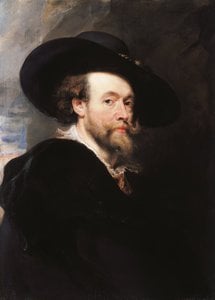
To encounter Sir Peter Paul Rubens’ “Saint Bartholomew” is to step directly into the heart of the Baroque era, where the boundaries between the earthly and the divine blur through a lens of profound human suffering. Executed in 1612, this masterpiece serves as more than a mere religious icon; it is a visceral exploration of martyrdom and spiritual endurance. The painting captures the saint in a moment of intense psychological and physical vulnerability, his face etched with a distress that transcends the canvas. As he gazes toward the viewer, one does not simply observe a biblical figure, but rather witnesses a soul navigating the turbulent waters of faith and agony. This is Rubens at his most intimate, stripping away the grander spectacles of his typical mythological scenes to focus on the raw, unadorned essence of human experience.
The technical brilliance of this work lies in Rubens’ masterful use of oil on panel, a medium that allowed him to achieve an almost supernatural luminosity. Through the painstaking application of translucent glazes, the artist creates a surface that breathes with life. The textures are nothing short of revelatory; the heavy, earth-toned folds of the saint's robe possess a weight and tactile reality, while the skin tones exhibit a warmth and subtle glow that seem to pulse with an inner vitality. This mastery of light and shadow—the quintessential chiaroscuro of the Baroque—directs the eye toward the focal point: the hands pressed against the chest, a gesture that encapsulates both desperation and a plea for divine mercy. For the discerning collector or interior designer, such a piece offers a profound sense of depth, acting as a dramatic anchor in any curated space.
Born in Siegen and shaped by the vibrant, often volatile artistic atmosphere of Antwerp, Peter Paul Rubens was a man whose life was defined by movement and resilience. His early experiences with displacement due to religious persecution deeply informed his ability to portray the complexities of the human condition. In “Saint Bartholomew,” we see the culmination of his training under Tobias Verhaecq and his absorption of the dramatic energy found in the Counter-Reformation movement. The painting embodies the spiritual fervor of its time, designed to elicit a visceral response from the faithful, pulling them into a state of empathy and contemplation.
Beyond its religious significance, the work stands as a testament to the Flemish Baroque style, characterized by its dynamic compositions and rich, emotive palettes. Rubens does not merely depict a saint; he engineers a spectacle of emotion. The way the figure occupies the frame, creating an almost claustrophobic sense of presence, forces a confrontation between the subject and the observer. For those seeking to infuse a room with character and historical gravity, this reproduction offers an unparalleled opportunity to possess a fragment of art history—a piece that speaks of resilience, the beauty found in struggle, and the eternal power of the human spirit.

1577 - 1640 , Tyskland

 Forhåndsvisning
 Send
Send Del med andre
 Vis detaljer

 Last ned bildet
 Liknende objekter
 Røntgenundersøkelse
 Lysbildefremvisning

 Vis hele teksten


