


Giclée- eller lerretsprint av museumskvalitet med rask produksjon og fleksible valgmuligheter for etterbehandling. ( Kjøp håndmalt maleri Bytt til digitalt bilde)





























Velg mellom våre forhåndsdefinerte størrelser som bevarer kunstverkets opprinnelige proporsjoner.

Skriv inn ønsket bredde og høyde for å tilpasse trykket til din ramme eller vegg. Et trykk kan kun beskjæres, aldri skaleres opp utover motivets opprinnelige størrelse, noe som betyr at et format med andre proporsjoner vil føre til tap av deler av bildet. Vi sender deg en digital mockup for godkjenning før vi starter trykkeprosessen. Bildet som vises på denne siden viser ikke den faktiske beskjæringen — det er kun mockuppen som viser dette.
Verdensomspennende levering () på 2 uker i stedet for standard 4/5 uker. (5 November)
There Comes Papa
Størrelse på reproduksjon
Raja Ravi Varma's "There Comes Papa," painted in 1893, is more than just a portrait; it’s a poignant snapshot of domestic bliss rendered with the meticulous detail and evocative storytelling characteristic of the artist. Measuring 125 x 81 cm, this work transports us to a refined Indian household at the cusp of a significant event – the reunion of a family. The scene unfolds with an aristocratic lady, likely from the Malabar region, holding her infant son while gesturing towards the arrival of his father. A loyal dog, brimming with excitement, mirrors the anticipation, adding a layer of warmth and domesticity to the composition.
Raja Ravi Varma was a pivotal figure in the transition from traditional Indian painting styles to a more modern approach. Born in 1848, he skillfully combined European academic techniques – particularly those influenced by French Orientalism – with deeply rooted Indian mythological and aesthetic traditions. This synthesis is strikingly evident in "There Comes Papa." The woman’s attire, a pristine white gown adorned with a delicate gold necklace, speaks to the wealth and status of her family, while the precise rendering of fabrics and textures demonstrates Ravi Varma's mastery of European academic training. Yet, the subject matter – a scene of familial joy rooted in Indian culture – firmly anchors the painting within its historical context.
The painting’s narrative is rich with symbolism. The arrival of the father represents not just a reunion but also the establishment of lineage, tradition, and social order. The child's excited gaze embodies innocence and hope, while the dog’s eagerness symbolizes loyalty and companionship. Ravi Varma was renowned for his ability to imbue his paintings with narrative depth, often drawing upon Hindu mythology and folklore. While this particular work doesn't explicitly depict a mythological story, it captures a universal human experience – the joy of family connection – with remarkable sensitivity.
"There Comes Papa" was created during a period of significant change in India. The late 19th century witnessed the rise of Indian nationalism alongside increasing contact with Western cultures. Ravi Varma’s work played a crucial role in shaping modern Indian painting, establishing him as one of the most important artists of his time. His paintings were commissioned by royal families and wealthy patrons, reflecting the opulent lifestyles and cultural values of the era. The inclusion of a golden frame further elevates the artwork, emphasizing its elegance and reinforcing its status as a significant piece of art history. This reproduction offers a unique opportunity to own a piece of this pivotal moment in Indian artistic heritage.
I "There Comes Papa" ledsages en Elegant stemning av en Romantic følelse.
En reproduksjon av "There Comes Papa" av Raja Ravi Varma anbefales til Statement. Dette forslaget er basert på verkets motiv, stemning og fargebruk.
Finn lignende kunstverk til "There Comes Papa" av Raja Ravi Varma på verkets Lignende verk-side.

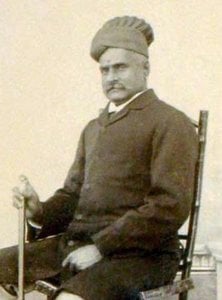
1848 - 1906 , India

Transform scattered family photos into a single, breathtaking oil masterpiece. WahooArt specializes in hand-painted custom portraits that merge loved ones from multiple images into one timeless heirloom. Experience museum-quality artistry and a 100% satisfaction guarantee.

Transform your family's history into a timeless masterpiece. WahooArt specializes in luxury, large-scale custom group portrait commissions for 10+ people. Hand-painted by master artists using traditional oil techniques to create an enduring legacy for your home or organization.

Transform your most cherished family moments into timeless heirlooms with WahooArt's custom hand-painted oil portraits. Enjoy up to 3 faces free in a bespoke masterpiece designed to last generations. Experience premium artistry, professional transparency, and our 100% satisfaction guarantee.

Transform your most cherished family memories into breathtaking oil masterpieces. Discover the elegance of bespoke, hand-painted portrait commissions, meticulously crafted by academy-trained artists to create a timeless legacy for your home and generations to come.
Transform scattered family photos into timeless oil masterpieces with WahooArt. Our master artists hand-paint bespoke portraits that turn precious memories into elegant, generational heirlooms. Experience premium quality, digital previews, and a 100% satisfaction guarantee.
 Forhåndsvisning
 Send
Send Del
Del
 Vis detaljer
 Utskriftsvennlig guide

 Last ned bilde
 Liknende objekter
 Røntgenundersøkelse
 Lysbildefremvisning
 Spørsmål og svar
 Statistikk


 Vis hele teksten









 Glassalternativet er kun tilgjengelig i størrelser under 110 cm


