Om kunstneren
A Life Immersed in the Russian Artistic Spirit
Pyotr Petrovich Konchalovsky, født 21. februar 1876 i landsbyen Slavianka nær Kharkiv, var mer enn bare en maler; han var en visuell skildrer av Russland som gjennomgikk en dyp transformasjon. Hans kunstneriske reise speilet nasjonens egne turbulente tider, preget av et konstant søk etter nye uttrykksformer. Konchalovskys barndom dyppet ham i en atmosfære rik på intellektuelle og kreative strømninger. Faren hans, Petr Petrovich Konchalovsky, var en respektert oversetter og kunstforhandler hvis Moskvas hjem ble et levende senter som besøkes av ledende kunstnere fra sin tid – Valentin Serov, Mikhail Vrubel, Vasily Surikov alle gjestet deres hjem etter at familien flyttet til hovedstaden i 1889. Dette tidlige eksponeringen var ikke bare observasjonell; den la grunnlaget for hans fremtidige vei ved å gi ham en dyp forståelse og kjærlighet for kunstnerisk uttrykk. Helger brukt på å absorbere mesterverkene på Tretyakov Gallery formet hans estetiske sanser med kraften til russiske mestere.
From Parisian Influences to Avant-Garde Innovation
Konchalovskys formelle opplæring begynte ved Moskvas Kunst-, Skulptur- og Arkitekturskole, men en avgjørende periode fulgte i Paris fra 1896 til 1898 ved Académie Julian. Denne fordypningen i det franske kunstmiljøet var transformativ. Han møtte de banebrytende verkene til Paul Cézanne og Vincent van Gogh, kunstnere som utfordret konvensjonell representasjon og utforsket nye måter å oppfatte form og farge på. En etterfølgende reise til Arles ga ham en dypere forståelse av Van Goghs kunstneriske visjon – en pilegrimsferd inn i hjertet av uttrykksintensitet. Tilbake i Russland fortsatte han studiene ved den keiserlige kunstakademiet i St. Petersburg, og ble dimittert i 1907. Imidlertid var det på hjemkomsten at Konchalovsky virkelig begynte å forme sin egen distinkte stil. Han ble en sentral figur i den russiske avant-gardebevegelsen, og grunnla det innflytelserike "Jack of Diamonds" (Knave of Diamonds) selskabet i 1910. Dette selskapet avviste akademiske tradisjoner og fremmet eksperimentering, søkte inspirasjon ikke bare fra vesteuropeisk modernisme, men også fra Russland’s egen folkelivskunst – ikoner, skilt fra tavernaer, og fargerike populære trykk kjent som *lubok*. Som den første formann i gruppen, spilte han en viktig rolle i å forme dens retning og fremme dens radikale ideer.
Navigating Shifting Ideologies: Style and Subject Matter
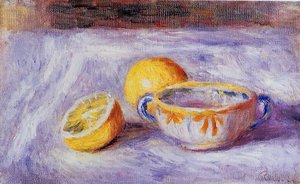
Konchalovskys kunstneriske stil utviklet seg gjennom hele karrieren, gjenspeillet både personlig utforskning og det skiftende politiske klimaet i Russland. Opprinnelig påvirket av fauvisme og Cézanne, var hans tidlige verk preget av dristige farger, forenklede former og fokus på struktur. Malerier som "Still Life med en kaffekopp" illustrerer denne perioden, og viser en livlig palett og en dynamisk komposisjon. Etter tjeneste i den russiske hæren under første verdenskrig, begynte Konchalovskys stil å skifte. Oppkomsten av sosialistrealisme under Sovjetunionen krevde kunst som tjente ideologiske formål, feiring av sosiale idealer og fremstilling av fremtredende figurer. Selv om dette representerte et avvik fra hans tidligere avantgardeforskning, tilpasset han seg, og ble kjent for sine seremonielle portretter. Til tross for disse endringene, beholdt han en distinkt kunstnerisk stemme, og innlemmet selv i hans mer politisk ladede verk en følelse av soliditet og monumentalitet. Gjennom sin produktive karriere – anslått til over 5000 stykker – utforsket han stadig stilliv, landskap og portretter, demonstrerte en bemerkelsesverdig allsidighet og en urokkelig forpliktelse til kunsten å male. Han var ikke bare konformistisk; han fant måter å uttrykke sin kunstneriske sans utenfor de begrensningene av en ny æra.
Key Achievements and Historical Significance
Pyotr Konchalovsky’s bidrag til russisk kunst er uomtvisteligt. Han brot mellom tidlig modernisme og sosialistrealisme, navigerte komplekse politiske strømninger samtidig som han forble en betydelig kunstnerisk kraft. Hans første solos utstilling på Tretyakov Gallery i 1922 solidifiserte hans rykte som en av Russlands ledende kunstnere. Ut over sin egen arbeid, fremmet Konchalovsky en familie dypt involvert i kunsten; hans sønn, Mikhail Petrovich Konchalovsky, ble en berømt filmskaper, og hans datter, Natalia Konchalovskaya, var en dyktig kunstner selv. Hans malerier er ikke bare estetisk tiltalende objekter, men historiske dokumenter som gjenspeiler den turbulente perioden de ble skapt i. De gir verdifulle innsikter i utviklingen av russisk kunst og utfordringene ansiktet av kunstnere som opererer innenfor et raskt foranderlig samfunn. Konchalovskys evne til å tilpasse seg samtidig som han opprettholder en distinkt stil, sikret hans plass som en nøkkelfigur i russisk kunsthistorie, og etterlater seg et arv som fortsatt inspirerer og fenger publikum i dag. Hans arbeid står som et vitnesbyrd om kunstnerisk uttrykks motstandskraft i møte med politisk opprør, og hans innflytelse kan fortsatt sees i samtida russisk kunst.



 Forhåndsvisning
 Kjøp håndlaget maleri
 Send
Send Del med andre
 Vis detaljer
 Guide
Guide

 Last ned bildet
 Liknende objekter
 Røntgenundersøkelse
 Lysbildefremvisning
 Statistikk


 Vis hele teksten






































 Glassalternativet er kun tilgjengelig i størrelser under 110 cm