Selg dine verk
x
ForhåndsvisningForhåndsvisning Se i ARSe i AR Kjøp trykk Kjøp trykkKjøp håndlaget maleri Kjøp håndlaget maleri SendSend
Vis detaljerVis detaljer Legg til i favoritter Legg til i favoritter Last ned bildetLast ned bildet Liknende objekterLiknende objekter RøntgenundersøkelseRøntgenundersøkelse LysbildefremvisningLysbildefremvisning

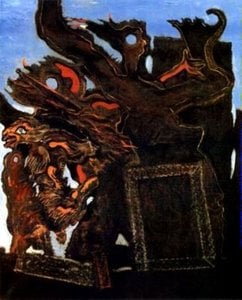
King Arthur

Explore the art of Peter the Elder Vischer (1460-1529), a Nuremberg painter known for religious scenes, portraits & King Arthur depictions. Discover his legacy!

Kjøp et høyoppløselig, forbedret digitalt bilde som er langt bedre enn forhåndsvisningen på nettet.

Hver fil er omhyggelig klargjort av våre egne spesialister ved hjelp av avanserte verktøy og profesjonell manuell retusjering. Vi sørger for at hvert bilde har eksepsjonell klarhet, presis fargegjengivelse og fine detaljer.

Den endelige filen leveres via e-post innen 72 timer, optimalisert for umiddelbar bruk i profesjonelle, redaksjonelle og trykte miljøer. Dette er den samme kvaliteten som benyttes av ledende designstudioer, utgivere og gallerier.

Digitalt bilde

Last ned en høyoppløselig fil for personlig bruk, utskrift og kreative prosjekter. (Kjøp trykk Kjøp trykkKjøp håndlaget maleri Kjøp håndlaget maleri)

Totalbeløp

$ 24.90

Inkludert i alle bestillinger av digitale bilder

Ekspert digital levering, garantert

Når du velger WahooArt.com, får du ikke bare et bilde – du mottar et profesjonelt forbedret digitalt kunstverk, skapt med presisjon og med en garantert tilfredshetsgaranti. Her er alt som automatisk følger med din bestilling:

shipping_icon
Rask digital levering

Din høyoppløselige digitale bildefil sendes til din e-post innen 72 timer etter bestilling – klar til umiddelbar bruk.

canvas_icon
KI-forbedret digital fil

Ditt kunstverk blir profesjonelt optimalisert ved hjelp av avanserte AI-verktøy og manuell redigering, noe som sikrer maksimal detaljrikdom, klarhet og fargegjengivelse.

insurance_icon
Gratis livslang nyutlevering

Har du ved et uhell slettet eller mistet filen din? Ingen bekymring – vi sender den på nytt når som helst, helt gratis.

tax_icon
Ingen importavgifter – noen gang

Nyt ditt kunstverk umiddelbart uten toll, avgifter eller leveringskostnader – digitale nedlastinger er alltid avgiftsfrie.

color_icon
Garantert fargenøyaktighet

Vi sikrer at ditt digitale bilde gjenspeiler de originale fargene så nøyaktig som mulig ved hjelp av profesjonelle verktøy og fargehåndtering.

return_icon
60 dagers tilfredshetsgaranti

Hvis du ikke er fornøyd med ditt digitale bilde, vil vi revidere det eller refundere 100% innen 60 dager – uten spørsmål.

guarantee_icon
100% Penggaranti

Ikke fornøyd? Få full refusjon innen 60 dager etter at du har mottatt din digitale fil – uten spørsmål.

discount_icon
Rabatt ved storkjøp

Kjøp 3 bilder, spar 10% - Kjøp 5, spar 15% - Kjøp 10+, spar 20%. Ideelt for kreative prosjekter, gallerier og byråer.


Om kunstneren

The Bronze Legacy of Nuremberg: The Life and Art of Peter Vischer the Elder

In the heart of Nuremberg, a city that pulsed with the creative energy of the late Middle Ages, the name Vischer became synonymous with the very essence of metalwork and sculptural mastery. Born around 1460, Peter Vischer the Elder did not merely practice an art; he inherited a profound lineage of craftsmanship. As the son of Hermann Vischer the Elder, Peter was raised within the rhythmic clang of the family foundry, a place where the molten breath of bronze met the meticulous precision of German engineering. This familial foundation provided him with more than just technical skill; it instilled in him an artistic ethos that viewed sculpture as a bridge between the earthly weight of metal and the divine aspirations of the soul.

The era in which Vischer worked was one of profound cultural metamorphosis, a period where the intricate, emotive shadows of the Gothic tradition began to dance with the balanced, rational light of the Renaissance. Peter stood at this historic crossroads, acting as a master weaver of styles. His early development was deeply rooted in the expressive dynamism and ornamental complexity characteristic of German Gothic art. Yet, as his reputation grew, so too did his appetite for the burgeoning Renaissance ideals flowing from the south. He possessed a rare ability to maintain the spiritual intensity of the North while embracing the geometric harmony and refined surface treatments that defined the new age.

Masterpieces in Bronze and the Spirit of Devotion

The true magnitude of Vischer’s genius is perhaps most breathtakingly realized in his monumental contributions to Nuremberg's sacred spaces. His most enduring triumph, the Tomb of Saint Sebaldus at St. Lorenz Church, remains a pinnacle of sculptural achievement. This ambitious undertaking, which spanned decades of labor, serves as a profound testament to his ability to command both scale and detail. The tomb’s intricate bronze grille is not merely a barrier but a narrative masterpiece, populated by a celestial assembly of biblical figures and saints that seem to emerge from the metal itself. In this work, one can witness the seamless fusion of Gothic ornamentation with a new, Renaissance-inspired sense of proportion and grace.

Beyond the monumental, Vischer’s hand is felt in works of intimate, piercing beauty. His smaller bronze figures, such as the evocative Kneeling Man, demonstrate a mastery over the medium that captures the delicate nuances of human emotion and physical presence. These works reflect a deep understanding of how light interacts with textured bronze, creating a sense of life that transcends the coldness of the material. His ability to imbue metal with breath and movement allowed him to capture the fleeting moments of prayer and contemplation, making the divine feel tangibly present to the viewer.

Royal Patronage and Historical Significance

The reach of Peter Vischer’s talent extended far beyond the walls of Nuremberg, attracting the gaze of the most powerful figures in Europe. His skill earned him the prestigious patronage of Emperor Maximilian I, a relationship that elevated his status from a local master to an artist of imperial importance. Under this royal mantle, Vischer was commissioned to create magnificent bronze sculptures, including works like the Tomb of Maximilian I: King Arthur, which showcased his ability to weave legendary and historical narratives into the very fabric of monumental art. This patronage ensured that his workshop became a beacon of excellence, influencing generations of sculptors and brass founders.

The historical significance of Peter Vischer the Elder lies in his role as a cultural conduit. He was a pivotal figure who helped navigate the transition from the medieval to the modern artistic consciousness. While much of his work is celebrated for its technical perfection, its true value resides in its ability to embody the tension and the eventual harmony between two eras. Through his dedication to the Vischer family legacy and his fearless embrace of innovation, he left behind a bronze record of an age in flux—a legacy that continues to resonate with the grandeur of Nuremberg’s golden age.

peter the elder vischer

peter the elder vischer

1460 - 1529 , Germany

Kort om kunstneren

  • Artistic Movement Or Style: Renaissance
  • Artists Or Movements Influenced By This Artist: ['International Gothic']
  • Artists Who Influenced This Artist:
    • Stephan Lochner
    • Andrea del Castagno
  • Date Of Birth: ca. 1460
  • Date Of Death: 1529
  • Full Name: Peter Vischer the Elder
  • Nationality: German
  • Notable Artworks:
    • Saint George and the dragon
    • High Altar of St. Mary
  • Place Of Birth: Nuremberg, Germany