


Giclée- eller lerretsprint av museumskvalitet med rask produksjon og fleksible valgmuligheter for etterbehandling. ( Kjøp håndlaget maleri Kjøp bilde)





























Velg mellom våre forhåndsdefinerte størrelser som bevarer kunstverkets opprinnelige proporsjoner.

Du kan oppgi egne mål for å tilpasse en spesifikk ramme eller et bestemt område. Dersom den valgte størrelsen ikke samsvarer med det originale bildets proporsjoner, vil vi enten beskjære kunstverket eller utvide bildet med en speilet eller ensfarget kant. En digital mockup vil bli sendt til din godkjenning før produksjonen starter.
Vennligst merk at forhåndsvisningen på skjermen ikke gjenspeiler den faktiske beskjæringen eller utvidelsen. Kun mockuppen vil vise den endelige komposisjonen nøyaktig.
Selv om tilpassede størrelser er tilgjengelige, anbefaler vi å velge et mål fra den forhåndsdefinerte listen for å bevare de originale proporsjonene.
Verdensomspennende levering () på 2 uker i stedet for standard 4/5 uker. (6 September)


Don Quixote (146)
Størrelse på reproduksjon
Gustave Doré’s “Don Quixote” isn't merely an illustration; it’s a distillation of Cervantes’ epic tale into a powerfully emotive monochrome print. Executed in the Romantic style, Doré captures not just the narrative action but also the psychological landscape inhabited by Don Quixote and Sancho Panza—a realm where idealism clashes with disillusionment.
The artwork’s breathtaking detail stems from Doré's masterful application of engraving technique. Working on a copper plate, he meticulously incised lines using specialized tools, creating an astonishingly intricate surface texture that conveys both the ruggedness of the Spanish countryside and the palpable tension within the scene. Cross-hatching—the layering of intersecting lines—becomes Doré’s primary tool for achieving tonal variation, subtly shading figures and backgrounds to create a sense of depth and atmosphere.
Doré skillfully orchestrates the visual narrative, positioning Don Quixote and his horse Rocinante prominently in the center frame. The inclusion of Sancho Panza—a grounding presence representing pragmatism—and a reciting poet adds layers of symbolic significance. The receding hillside serves as an anchor for the eye, guiding viewers into the heart of the drama and emphasizing the vastness of Don Quixote’s aspirations against the backdrop of a desolate landscape.
The bleak hilltop setting is deliberately chosen to mirror the protagonist's internal struggle—a confrontation with the harsh realities of existence juxtaposed against his unwavering belief in chivalric ideals. Doré’s muted palette reinforces this mood, conveying melancholy and introspection while simultaneously hinting at the enduring power of imagination and perseverance. The poet’s presence symbolizes the importance of contemplation and artistic expression amidst adversity.
Doré’s “Don Quixote” exemplifies Romantic realism—a movement that sought to depict subjects with unflinching honesty while retaining a heightened sense of emotional intensity. His meticulous attention to detail, combined with his expressive use of line and tone, cemented his place as one of the most influential illustrators of his era. Today, reproductions of this iconic artwork continue to inspire awe and admiration for Doré’s unparalleled artistic vision.


1832 - 1883 , Frankrike

Explore the captivating world of Gustave Doré, master of Romantic realism & iconic illustrator. Discover his dramatic wood engravings, paintings, and sculptures – a legacy shaping art history. Learn more at WahooArt.
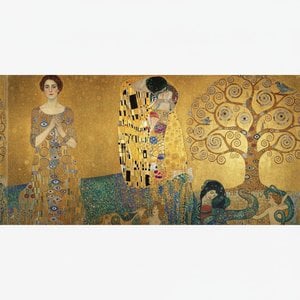
Utforsk Gustav Klimts 25 mest ikoniske kunstverk! Fordyp deg i Jugendstilens gullalder, symbolisme og portretter av kvinner. Finn inspirasjon til interiørdesign & kjøp eksklusive reproduksjoner på WahooArt.com.

Explore 10 defining masterpieces of Romantic Realism! Discover Courbet, Millet & Daumier's powerful paintings—capturing emotion and social realities. Find museum-quality reproductions for your home at WahooArt.com.

Explore the captivating world of Victorian illustration! Discover Pre-Raphaelite influences, key artists like Rossetti & Stephens, and the era's rich narrative detail. A deep dive for art enthusiasts.

Explore the captivating world of Angelo Chiacchio, a master of mid-century American illustration. Discover his evolution, signature style, and lasting impact on commercial art & design. Learn about his legacy at the Museum of American Illustration.

 Forhåndsvisning
 Send
Send Del med andre
 Vis detaljer

 Last ned bildet
 Liknende objekter
 Røntgenundersøkelse
 Lysbildefremvisning
 Vis hele teksten







 Glassalternativet er kun tilgjengelig i størrelser under 110 cm


