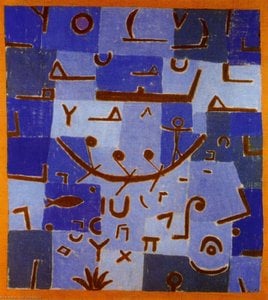
Acrylic On CanvasWallArtBrazilian Modernism
 1926
1926 199.0 x 68.0 cm
 Chamber of Deputies
Kjøp et høyoppløselig, forbedret digitalt bilde som er langt bedre enn forhåndsvisningen på nettet.
Hver fil er omhyggelig klargjort av våre egne spesialister ved hjelp av avanserte verktøy og profesjonell manuell retusjering. Vi sørger for at hvert bilde har eksepsjonell klarhet, presis fargegjengivelse og fine detaljer.
Den endelige filen leveres via e-post innen 72 timer, optimalisert for umiddelbar bruk i profesjonelle, redaksjonelle og trykte miljøer. Dette er den samme kvaliteten som benyttes av ledende designstudioer, utgivere og gallerier.
Last ned en høyoppløselig fil for personlig bruk, utskrift og kreative prosjekter. ( Kjøp trykk Kjøp håndlaget maleri)
Når du velger WahooArt.com, får du ikke bare et bilde – du mottar et profesjonelt forbedret digitalt kunstverk, skapt med presisjon og med en garantert tilfredshetsgaranti. Her er alt som automatisk følger med din bestilling:

Din høyoppløselige digitale bildefil sendes til din e-post innen 72 timer etter bestilling – klar til umiddelbar bruk.

Ditt kunstverk blir profesjonelt optimalisert ved hjelp av avanserte AI-verktøy og manuell redigering, noe som sikrer maksimal detaljrikdom, klarhet og fargegjengivelse.

Har du ved et uhell slettet eller mistet filen din? Ingen bekymring – vi sender den på nytt når som helst, helt gratis.

Nyt ditt kunstverk umiddelbart uten toll, avgifter eller leveringskostnader – digitale nedlastinger er alltid avgiftsfrie.

Vi sikrer at ditt digitale bilde gjenspeiler de originale fargene så nøyaktig som mulig ved hjelp av profesjonelle verktøy og fargehåndtering.

Hvis du ikke er fornøyd med ditt digitale bilde, vil vi revidere det eller refundere 100% innen 100 dager – uten spørsmål.

Ikke fornøyd? Få full refusjon innen 100 dager etter at du har mottatt din digitale fil – uten spørsmål.

Kjøp 3 bilder, spar 10% - Kjøp 5, spar 15% - Kjøp 10+, spar 20%. Ideelt for kreative prosjekter, gallerier og byråer.

Nilo Procópio Peçanha (October 2, 1867 – March 31, 1924), also known as niló peçanha, nilo pecanha, or nilo procopio pecanha, was a remarkable figure in Brazilian history, uniquely recognized for his dual roles as a prominent politician and an accomplished artist. Born in Campos dos Goytacazes, Brazil, Peçanha’s life unfolded against the backdrop of significant political and social change in early 20th-century Brazil. While primarily remembered as the seventh president of Brazil (1909–1910) and a key figure in Rio de Janeiro's governance (1903–1906), his artistic contributions, particularly his portraiture, offer a fascinating glimpse into his personal passions and the era’s aesthetic sensibilities.
Peçanha’s political career was marked by rapid ascent. He served as governor of Rio de Janeiro before being elected fifth vice president of Brazil in 1906. Following the death of President Afonso Pena in 1909, he assumed the presidency, a period characterized by navigating complex national and international affairs. His presidency, though relatively brief (1909-1910), was significant for its role during a turbulent time in Brazilian politics. He is frequently considered Brazil's first Afro-Brazilian president, although discussions surrounding his racial identity remain a subject of historical debate. This recognition underscores the evolving understanding of race and representation within Brazilian society.
Beyond his political achievements, Peçanha possessed a keen artistic talent, primarily expressed through portrait painting. While not extensively documented compared to his political career, surviving examples of his work reveal a skilled hand capable of capturing likeness and character. His most notable artwork is arguably the portrait of Rui Barbosa, a renowned Brazilian jurist, writer, and politician. This piece exemplifies Peçanha’s artistic style – characterized by realistic representation and attention to detail. The portraits offer valuable insights into the personalities and social standing of prominent figures within Brazil's elite circles during that period.
Information regarding specific artistic influences on Peçanha is limited, but it’s reasonable to assume he was influenced by prevailing European portraiture traditions popular in Brazil at the time. The realism evident in his work suggests an appreciation for academic painting styles prevalent during the late 19th and early 20th centuries. His artistic development likely occurred through self-study and observation, reflecting a personal passion pursued alongside his demanding political career. It is believed that he received some formal training but primarily honed his skills through practice.
Nilo Procópio Peçanha’s legacy rests on the unique intersection of his political leadership and artistic talent. He represents a rare instance of a head of state actively engaged in creating visual art, providing a personal perspective on the era's social and political landscape. While his artistic output may not be as extensive as dedicated professional artists, it serves as an intriguing testament to his multifaceted personality and offers a valuable window into Brazilian history through both political action and artistic expression. His work continues to spark interest and discussion regarding Brazil’s complex racial dynamics and the contributions of Afro-Brazilians to its cultural heritage.

1867 - 1924 , Brazil

 Forhåndsvisning
 Send
Send Del med andre
 Vis detaljer

 Last ned bildet
 Liknende objekter
 Røntgenundersøkelse
 Lysbildefremvisning
 Vis hele teksten