Forhåndsvisning Se i AR Bytt til trykk Kjøp håndmalt maleri Send
Vis detaljer Utskriftsvennlig guide Legg til i favoritter Last ned bilde Liknende objekter Røntgenundersøkelse Lysbildefremvisning Spørsmål og svar Last ned presentasjon Statistikk

Turk Playing a Harp

Dimensjoner
245.0 x 163.0 cm

Explore Melchior Lorck’s ‘Turk Playing a Harp’ (1576). A stunning Mannerist engraving showcasing intricate detail, dramatic foreshortening & Eastern influence. Discover Renaissance art.

Melchior Lorck (1526/27-1583): Renaissance painter & printmaker renowned for his detailed visual record of 16th-century Turkish life and customs. First Danish artist with a reconstructable biography, known for portraits, engravings & topographic draw

Få en utskriftsklar fil som går langt utover forhåndsvisningen på nett. Hvert digitale bilde vi selger er hentet fra en høyoppløselig master i vår database – vanligvis mellom 5 000 og 15 000 piksler bred – slik at du kan trykke stort, beskjære tett eller gjenskape fine detaljer med full trygghet.

Ingen filer forlater studioet vårt uten å bli bearbeidet. En digital ekspert kontrollerer fargene mot det originale maleriet og korrigerer dem ved behov, for deretter å forbedre klarhet og detaljrikdom med profesjonelle retusjeringsverktøy — alltid tro mot kunstnerens penselstrøk og stil. Resultatet er et bilde som fremstår som selve maleriet, ikke som en skann med filter.

Du godkjenner før ferdigstilling: vår ekspert sender bildet på e-post til din vurdering innen 72 timer. Ikke fornøyd? Be om forbedringer eller korrigeringer, eller be om refusjon dersom kvaliteten ikke svarer til forventningene.

Dette er kvaliteten forlag, designstudioer, gallerier og trykkerier stoler på.

Digitalt bilde

Last ned en høyoppløselig fil til personlig bruk, utskrift og kreative prosjekter. ( Bytt til trykk Kjøp håndmalt maleri)

Totalbeløp

Nkr 238.00

Inkludert i alle bestillinger av digitale bilder

Ekspert på digital levering, garantert

Når du velger WahooArt.com, får du ikke bare et bilde – du mottar et profesjonelt etterbehandlet digitalt kunstverk, skapt med presisjon og med en garantert tilfredshetsgaranti. Her er alt som automatisk følger med din bestilling:

Rask levering på e-post

Din høyoppløselige digitale bildefil sendes til din e-post innen 72 timer etter bestilling – klar til umiddelbar bruk.

KI-forbedret digital fil

Ditt kunstverk blir profesjonelt optimalisert ved hjelp av avanserte AI-verktøy og manuell redigering, noe som sikrer maksimal detaljrikdom, klarhet og fargegjengivelse.

Gratis livslang nyutlevering

Har du ved et uhell slettet eller mistet filen din? Ingen bekymring – vi sender den på nytt når som helst, helt gratis.

Ingen importavgifter – noen gang

Nyt ditt kunstverk umiddelbart uten toll, avgifter eller leveringskostnader – digitale nedlastinger er alltid avgiftsfrie.

Garantert fargenøyaktighet

Vi sikrer at det digitale bildet gjenspeiler de originale fargene så nøyaktig som mulig ved hjelp av profesjonelle verktøy og fargehåndtering.

100 dagers fornøydhetsgaranti

Hvis du ikke er fornøyd med ditt digitale bilde, vil vi revidere det eller refundere 100% innen 100 dager – uten spørsmål.

100% Penggaranti

Ikke fornøyd? Få full refusjon innen 100 dager etter at du har mottatt din digitale fil – uten spørsmål.

Rabatt ved storkjøp

Kjøp 3 bilder, spar 10% - Kjøp 5, spar 15% - Kjøp 10+, spar 20%. Ideelt for kreative prosjekter, gallerier og byråer.

Kort om verket

  • Artist: Melchior Lorck
  • Influences:
    • Heinrich Aldegrever
    • Albrecht Dürer
  • Artistic style: Dramatic
  • Subject or theme: Music
  • Medium: Engraving
  • Movement: Mannerism

Kunnequiz om kunst

Det er kun ett riktig svar på hvert spørsmål.

Spørsmål 1:
What artistic style is predominantly evident in Melchior Lorck’s ‘Turk Playing a Harp’?
Spørsmål 2:
The engraving utilizes a technique known for creating tonal variations and depth. What is this technique?
Spørsmål 3:
What symbolic significance does the harp hold within the artwork?
Spørsmål 4:
Lorck’s journey to Constantinople was part of an embassy aimed at furthering diplomatic relations between Denmark and the Ottoman Empire. What was a primary goal of this mission?
Spørsmål 5:
Lorck’s engravings are notable for their meticulous detail. Which artistic medium is particularly suited to achieving this level of realism?

A Window into Ottoman Splendor: Melchior Lorck’s ‘Turk Playing a Harp’

Melchior Lorck's “Turk Playing a Harp” (1576) stands as an exceptional testament to Renaissance artistic innovation intertwined with the burgeoning fascination for the Ottoman Empire. More than just a depiction of musical performance, this Mannerist engraving offers a meticulously crafted visual narrative that captures the spirit of its time—a period marked by diplomatic missions and scholarly exploration into distant cultures. Produced during Lorck’s formative years as a Danish artist venturing beyond Northern Europe, it exemplifies his mastery of printmaking technique and his unwavering commitment to capturing detail with remarkable accuracy.

Style and Technique: Mannerist Drama

Lorck's stylistic choices firmly situate “Turk Playing a Harp” within the Mannerist movement—a reaction against the idealized beauty of High Renaissance art. Characterized by elongated figures, exaggerated poses, and dramatic foreshortening, the engraving prioritizes expressive gesture over anatomical precision. The artist employs a masterful use of hatching and crosshatching to achieve tonal variations that imbue the image with depth and luminosity despite its monochrome palette. These techniques skillfully convey texture—the velvety drape of the curtain, the intricate surface of the harp’s ornamentation, and the polished sheen of the vase—creating an illusion of realism that transcends the limitations of engraving. The artist's meticulous attention to perspective subtly enhances the dramatic impact of the scene.

Historical Context: Embassies and Eastern Observation

The engraving emerged from a pivotal moment in European history: the Imperial embassy led by Ogier Gheselin Busbecq to Constantinople (modern Istanbul) under Sultan Suleiman the Magnificent. This diplomatic expedition aimed to foster relations between Christendom and Islam, yet it also fueled an unprecedented influx of knowledge about Ottoman culture and customs into Europe. Lorck’s artistic endeavors were profoundly influenced by this context; he sought to document the grandeur and complexity of the Ottoman court with unflinching realism. The harp itself serves as a potent symbol—representing music, artistry, and perhaps a longing for exotic lands—reflecting the broader intellectual currents of the era.

Symbolism: Harmony and Contemplation

Beyond its technical brilliance and historical significance, “Turk Playing a Harp” resonates with deeper symbolic meanings. The solitary figure of the Turk embodies contemplation and dedication to his craft, mirroring the humanist ideals prevalent during Lorck’s time. The harp's intricate design speaks to the pursuit of beauty and artistic excellence—a core concern of Mannerist artists who rejected simplistic representations in favor of emotionally charged compositions. Furthermore, the dark curtain serves as a visual barrier, emphasizing the subject’s isolation and inviting viewers to contemplate the profound stillness of the scene.

Emotional Impact: A Moment Frozen in Time

Lorck's engraving transcends mere representation; it evokes a palpable sense of solemnity and wonder. The artist skillfully captures the psychological state of his subject—a man absorbed in his musical performance—creating an image that invites viewers to pause and consider the beauty of artistic expression amidst the grandeur of Ottoman culture. “Turk Playing a Harp” remains a captivating masterpiece, offering a glimpse into a bygone era and demonstrating Lorck’s unparalleled ability to translate observation into enduring visual art.

Spørsmål og svar

Er en høyoppløselig nedlasting av "Turk Playing a Harp" tilgjengelig?

"Turk Playing a Harp" er tilgjengelig som nedlasting av et digitalt bilde i høy oppløsning, og kan kjøpes direkte på siden for Digitalt kunstverk.

Når og med hvilke materialer ble "Turk Playing a Harp" laget?

"Turk Playing a Harp" ble laget i 1576 med Acrylic On Canvas.

Hvem har skapt "Turk Playing a Harp", og hvilken stil er det i?

Melchior Lorck skapte "Turk Playing a Harp" innenfor Mannerism-bevegelsen.


Om kunstneren

Melchior Lorck: A Life Bridging Renaissance Art and Ottoman Encounters

  • Born: Flensburg, Germany (1526/27)
  • Died: Copenhagen, Denmark (1583)
  • Nationality: Danish-German
  • Known For: Renaissance painter, draughtsman, and printmaker; detailed visual record of 16th-century Turkey.

Early Life and Training

  • Born in Flensburg, Schleswig (present-day Germany), Lorck came from a family with ties to the Reformation movement.
  • Around 1549, he received a four-year travel stipend from King Christian III of Denmark, enabling him to study art across Europe.
  • Early training likely involved apprenticeship with a goldsmith in Lübeck.
  • During his travels, Lorck demonstrated early artistic skill, producing engravings influenced by artists like Heinrich Aldegrever and paying homage to Albrecht Dürer.

The Ottoman Experience: A Unique Visual Record

  • In 1555, Lorck joined the Imperial embassy led by Ogier Gheselin Busbecq to the court of Sultan Suleiman the Magnificent in Constantinople (Istanbul).
  • This pivotal experience shaped his career and legacy. He spent approximately one and a half years within the Ottoman capital.
  • Lorck meticulously documented Turkish life, customs, architecture, military practices, and portraits of key figures like Sultan Suleiman and Isma'il, the Persian envoy.
  • His drawings and engravings provide an unparalleled visual record of 16th-century Ottoman society, a unique source for historians and art scholars.
  • Notable works from this period include the monumental "Prospect of Constantinople," a detailed panoramic view of the city, and the series of prints known as “The Turkish Publication.”

Artistic Style and Influences

  • Lorck's style reflects the influence of the Northern Renaissance, particularly German masters like Dürer.
  • His work demonstrates a keen observational skill and attention to detail, evident in his precise renderings of architecture, costumes, and portraits.
  • He skillfully employed engraving techniques, creating intricate and expressive prints.
  • Lorck's topographic drawings, such as the "Prospect of Constantinople," foreshadowed later developments in landscape art and cartography.

Later Career and Legacy

  • After returning to Europe in 1559, Lorck worked in Vienna, producing engravings of antique monuments and portraits.
  • He served briefly as a cartographer for the Hamburg city council, creating a large-scale map of the Elbe River.
  • Lorck's "Turkish Publication," though not published during his lifetime, was eventually released in 1626, showcasing his extensive documentation of Ottoman life.
  • He is considered the first Danish artist with a substantial biography and body of work attributable to him.
  • His detailed visual record of Turkey remains invaluable for understanding 16th-century Ottoman culture and represents a significant contribution to Renaissance art and cartography. He is recognized as a precursor to later traveling artists and visual reporters.
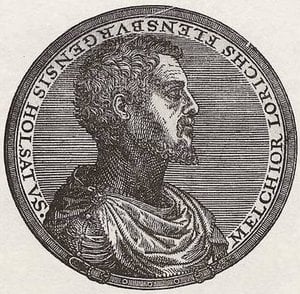
Melchior Lorck

Melchior Lorck

1527 - 1564 , Germany

Kort om kunstneren

  • Full Name: Melchior Lorck
  • Nationality: Danish-German
  • Date Of Birth: 1527
  • Date Of Death: 1564
  • Place Of Birth: Flensburg, Germany
  • Notable Artworks:
    • Constantinople Prospect
    • The Turkish Publication
  • Artistic Movement Or Style: Renaissance
  • Artists Who Influenced This Artist:
    • Heinrich Aldegrever
    • Albrecht Dürer
  • Artists Or Movements Influenced By This Artist:
    • Wenzel Hollar
    • Cornelis de Bruijn