Se i rommet Se i AR Bytt til trykkversjon Gå til digitalt bilde Del som digitalt kort
Detaljer Studentguide Legg til i favoritter Last ned Liknende objekter Røntgen Lysbildefremvisning Besøksstatistikk

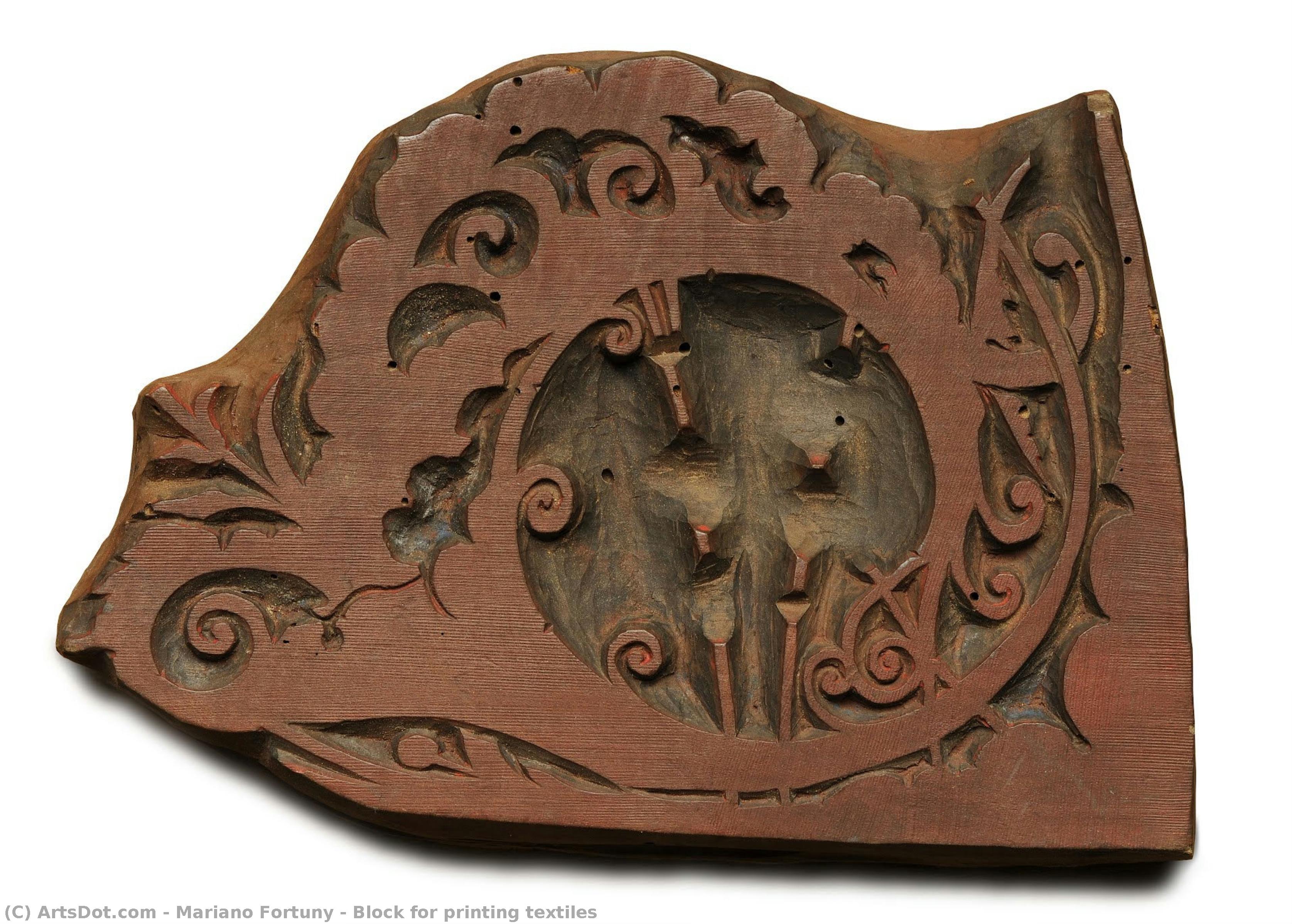
Block for printing textiles

Admire Mariano Fortuny’s ‘Block for Printing Textiles’ – a stunning 1905 wooden block showcasing intricate carvings & design. Hand-painted reproduction available.

Mariano Fortuny (1871-1949) var en spansk kunstner og designer kjent for innovative tekstiler, vakre Delphos-kjoler og banebrytende scenebelysning. Utforsk hans orientalske inspirasjon, oppfinnelser og et varig kunsthistorisk fotavtrykk!

Håndlaget oljereproduksjon

Håndmalt olje på lerret i din valgte størrelse og ramme, laget på bestilling av våre kunstnere. ( Bytt til trykkversjon Gå til digitalt bilde)

P118B $10
P118H $10
P118W $10
P438Z $10
P508JH $12
P508YH $12
P805H $10
P805Z $10
P919BZ $10
P919G $10
P919XJ $10
P959ZH $10
P968JZ $12
W106C $8
W218G $10
W218JH $8
W218Y $10
W307PJ $10
W316G $10
W316PJ $8
W316Y $10
W398PJ $8
W4111J $10
W500HY $15
W500JH $15
W692G $12
W849H $8
W940BG $15
W953PJ $8

Standardformat
tilpasset
CM
INCH

Velg mellom våre forhåndsdefinerte størrelser som bevarer kunstverkets opprinnelige proporsjoner.

bredde
høyde

Du kan angi egne mål for å tilpasse en spesifikk ramme eller plass. Dersom den valgte størrelsen ikke samsvarer med originalbildets proporsjoner, vil vi enten beskjære kunstverket eller utvide maleriet med ytterligere håndmalte elementer. En digital mockup vil bli sendt til din godkjenning før produksjonen starter.
Vennligst merk at forhåndsvisningen på skjermen ikke gjenspeiler den faktiske beskjæringen eller utvidelsen. Kun mockuppen vil vise den endelige komposisjonen nøyaktig.
Selv om tilpassede størrelser er tilgjengelige, anbefaler vi å velge et mål fra den forhåndsdefinerte listen for å bevare de originale proporsjonene.

Eksempler på hva som kan endres: Erstatt ansikt med bilde av kunden; Legg til kjæledyr (f.eks. bytt ut katt med hund); Inkluder en skjult melding i bakgrunnen; Endre bakgrunnslandskap eller elementer.
Etter bestilling vil WahooArt.com-teamet sende e-post til kunden for instruksjoner og sende et utkast (mockup) som forhåndsvisning.

Verdensomspennende levering () på 3–4 uker i stedet for standard 5 uker. (25 September). Ingen kompromisser med kvaliteten.

why_choose_icon
Gratis ekspressfrakt over hele verden
why_choose_icon
Lerretsduk av høykvalitets lin
why_choose_icon
Full transportforsikring
why_choose_icon
Garanti for refusjon av toll og importavgifter
why_choose_icon
Garantert fargeekthet
why_choose_icon
100 dagers returrett ved fabrikasjonsfeil
why_choose_icon
100% pengene tilbake-garanti
why_choose_icon
Mengderabatt

Totalpris

$ 272

reproduction

Block for printing textiles

Reproduksjonsmetode

Format på reproduksjon

-

Totalpris

$ 272

Kort om verket

  • Title: Block for printing textiles
  • Subject or theme: Textile art reproduction
  • Medium: Woodblock print
  • Year: 1905
  • Location: WahooArt.com
  • Artist: Mariano Fortuny

Kunstquiz

Det er kun ett riktig svar på hvert spørsmål.

Spørsmål 1:
What is the primary subject depicted in Mariano Fortuny’s ‘Block for printing textiles’?
Spørsmål 2:
In what year was Mariano Fortuny’s ‘Block for printing textiles’ created?
Spørsmål 3:
The carving on the wooden block features what type of design?
Spørsmål 4:
Mariano Fortuny was primarily known for his work in which field?
Spørsmål 5:
The image shows a close-up of a wooden block. What does this suggest about the artwork's creation process?

A Whisper of Geometry: Unveiling Mariano Fortuny’s ‘Block for Printing Textiles’

Mariano Fortuny y Madrazo, a name synonymous with the opulent elegance of 19th-century Spain and beyond, wasn't merely a painter; he was a revolutionary designer, a master craftsman, and an inventor who fundamentally reshaped the world of theatrical lighting and textile production. His ‘Block for Printing Textiles’ (1905), now meticulously reproduced by WahooArt.com, offers a rare glimpse into this multifaceted genius – a tangible embodiment of his fascination with geometry, Celtic motifs, and the interplay of light and shadow. This isn't simply a decorative block; it’s a concentrated distillation of Fortuny’s artistic vision, a testament to his meticulous hand, and a window into a period of intense experimentation and innovation.

Block for Printing Textiles by Mariano Fortuny

The Language of Form: Geometry and Celtic Echoes

At first glance, the block’s surface appears deceptively simple – a dense arrangement of swirling lines and geometric shapes rendered in shades of reddish-brown. However, closer inspection reveals a complex tapestry of interlocking patterns, echoing the intricate designs found in Celtic knotwork. Fortuny was deeply influenced by Orientalist art, particularly the decorative motifs of Morocco, but he also possessed a profound appreciation for ancient European traditions, evident in this subtle homage to the Celtic aesthetic. The precise execution suggests a deliberate attempt to capture not just visual form, but also the inherent dynamism and interconnectedness of these patterns – a concept central to Fortuny’s broader artistic philosophy.

A Legacy Forged in Light: Technique and Innovation

The creation of this block represents a pivotal moment in Fortuny's career. He was actively experimenting with new techniques for creating theatrical lighting, particularly his ‘cyclorama dome,’ a revolutionary device that utilized reflected light to create seamless transitions between scenes in grand opera houses. This block is believed to be a prototype or working model for these larger-scale installations – a miniature representation of the complex systems he devised to manipulate and control light. The meticulous carving demonstrates an extraordinary level of skill, requiring not only artistic vision but also a deep understanding of materials and their properties. Fortuny’s inventive spirit extended beyond lighting; his patents reveal a relentless pursuit of innovation in various fields, including textiles, ceramics, and even furniture design.

Beyond Decoration: Symbolism and the Fortuny Aesthetic

While undeniably beautiful, ‘Block for Printing Textiles’ transcends mere decorative function. It embodies Fortuny's broader aesthetic – one characterized by a harmonious blend of geometry, asymmetry, and a subtle sense of mystery. The swirling patterns evoke movement and dynamism, while the restrained color palette creates an atmosphere of sophisticated elegance. Fortuny sought to capture not just the appearance of reality but also its underlying essence—a pursuit reflected in his meticulous attention to detail and his innovative use of light and shadow. This block is a tangible manifestation of that quest – a miniature world brimming with artistic intention.

Collecting a Masterpiece: Reproduction and Preservation

WahooArt.com offers high-quality, hand-painted reproductions of this extraordinary work by Mariano Fortuny. Each reproduction meticulously recreates the original block’s intricate details, capturing its unique texture and color palette. Choosing a reproduction allows you to bring this captivating piece into your home or office, celebrating Fortuny's legacy while preserving the integrity of his artistic vision. Explore our selection today and experience the enduring beauty of ‘Block for Printing Textiles.’


Kunstnerbiografi

Early Life and Inspiration

Mariano Fortuny, a name synonymous with theatrical innovation and exquisite textiles, was born in Granada, Spain, on May 11, 1871. His early life was marked by profound loss – his father, Mariano Fortuny y Marsal, a celebrated genre painter, tragically passed away when the young boy was just three years old. This event profoundly shaped his family’s trajectory, leading them to relocate to Paris, France, where his mother, Cecilia de Madrazo, fostered his artistic development and introduced him to the world of luxurious fabrics and textiles. From a tender age, Mariano displayed an extraordinary talent for various art forms: painting, photography, sculpting, architecture, etching, and even theatrical stage lighting—a diverse range that foreshadowed his future as a polymath. The family’s exposure to these materials, particularly during their time in Paris, would become a cornerstone of his creative vision. His mother's background as an artist herself instilled in him a deep appreciation for artistic heritage and technique.

Artistic Talents and Revolutionary Inventions

Mariano Fortuny quickly established himself as a prodigious talent, demonstrating skills across multiple disciplines with remarkable speed. He wasn’t merely a painter; he was an inventor, a designer, and a visionary. His early work showcased a keen eye for detail and a fascination with capturing the essence of movement and light—qualities that would later define his theatrical innovations. Crucially, Fortuny's artistic journey was intertwined with a relentless pursuit of technological advancement. Between 1901 and 1934, he patented over twenty groundbreaking inventions, fundamentally altering the landscape of theater design. His most celebrated creation is undoubtedly the *fortuny cyclorama dome*, a quarter-dome structure constructed from plaster or cloth, ingeniously designed to create seamless transitions between scenes through the strategic use of indirect lighting. His treatise, “Eclairage Scenique” (1904), meticulously documented his revolutionary approach to reflecting light off various surfaces, manipulating its color, intensity, and overall effect—a scientific method applied to artistic expression. This wasn’t simply about illumination; it was about crafting an immersive experience for the audience.

Collaborations and Recognition

Fortuny's work gained significant recognition in the 1920s, catapulting him into the international spotlight. His collaborations with prominent figures cemented his place in art history. He worked closely with Richard Wagner, the German composer, whose operas deeply influenced his artistic sensibilities, inspiring scenes filled with dramatic intensity and evocative atmosphere. His installation of the cyclorama dome at La Scala opera house in Milan was a monumental undertaking—a testament to his engineering prowess and artistic vision. Adapting the dome for the larger theater space presented significant challenges, which he masterfully overcame by inventing a sophisticated suction fan system to maintain its taut structure. Fortuny’s influence extended beyond music; he collaborated with stage designers and performers, shaping the very fabric of theatrical spectacle.

Legacy and Lasting Influence

Mariano Fortuny passed away on May 3, 1949, in Venice, Italy, leaving behind a legacy that continues to resonate today. His work profoundly impacted French novelist Marcel Proust, who drew inspiration from Fortuny’s artistic world for his epic novel *In Search of Lost Time*. Fortuny's life and achievements were also depicted in Pere Gimferrer’s novel *Fortuny*, further solidifying his place in literary history. Beyond the immediate impact on theatrical design, Fortuny’s innovations—particularly in textile printing and lighting technology—laid the groundwork for future developments in both fields. His dedication to blending art, science, and engineering established him as a true pioneer, whose influence can still be felt across multiple creative disciplines. Explore more about Mariano Fortuny's inventions and designs at WahooArt’s collection. Discover the impact of his work on theatrical lighting in the museum destroyed by fire (united states), a story of an unfortunate event that shaped american art history, available at WahooArt’s blog.

Mariano Fortuny

Mariano Fortuny

1871 - 1949 , Spania

Kort om kunstneren

  • Artistic Movement Or Style: Orientalism kunst
  • Artists Or Movements Influenced By This Artist: ['Marcel Proust']
  • Artists Who Influenced This Artist: ['Richard Wagner']
  • Date Of Birth: 11 mai 1871
  • Date Of Death: 3 mai 1949
  • Full Name: Mariano Fortuny y Marsal
  • Nationality: Spansk
  • Notable Artworks:
    • Teagown
    • Portrett av Henriette Fortuny
  • Place Of Birth: Granada, Spania
Utforsk kunstverk organisert etter temaer, stiler og kjennetegn.