A Victorian Adventurer in Bloom
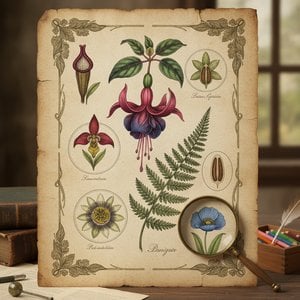
Marianne North var en åndsløs, en kvinne som byttet de forventede komfortene i viktoriansk hjemlighet mot et liv fylt med eventyrlyst og kunstnerisk dedikasjon. Hun ble født i 1830 inn i en privilegert familie i Hastings, England, og hennes tidlige vei virket bestemt for musikalske bestrebelser. Likevel, på grunn av helseproblemer, ble hennes lidenskaper forsiktig omdirigerte mot den delikate kunsten å male blomster – en overgang som ikke bare viste seg å være en trøst, men som ble utspringet til et ekstraordinært liv levd helt på sine egne premisser. Mens mange kvinner i hennes æra var begrenset til stuer og sosiale forventninger, seilte North avsted på en bemerkelsesverdig reise som skulle bære henne over kontinenter, og forvandlet henne både til en anerkjent kunstner og en selvlært botaniker. Historien hennes er et vitnesbyrd om motstandskraft, uavhengighet og en dyp forbindelse med den naturlige verden – et bevis på en ånd fri fra konvensjoner.
Fra Botanisk Observasjon til Global Ekspedisjon
Årene etter morens død i 1855 var formative, fylt med omfattende reiser gjennom Europa sammen med sin far. Disse turene skarpet hennes observasjonsferdigheter og dyrket et skarp øye for landskap, og la en lengsel etter mer inn i henne som snart blomstret ut i noe langt mer ambisiøst. Etter farens død i 1869, bestemde North seg for å dedikere livet fullt og helt til å male floraen fra fjerne land – en beslutning som markerte et avgjørende øyeblikk i hennes liv. Dette var ikke bare om å fange skjønnhet; det var en handling av vitenskapelig dokumentasjon, drevet av et ønske om å registrere den botaniske mangfoldigheten til en verden som raskt forandret seg under påvirkning av kolonialisme og industrialisering. I 1871 begynte North en rekke ekspedisjoner som spennte over nesten femten år, og tok ferd gjennom områder så forskjellige som Canada, Jamaica, Brasil, Japan, Borneo, India, Australia og New Zealand. Hun reiste ikke med vitenskapelige team eller offisiell støtte, men finansierte sine eventyr selv, og stolte på sin families formue for å oppnå sine mål. Hennes metode var nøye: hun fordypte seg i hvert miljø, observerte og skisserte plantene omhyggelig før hun overførte dem til lerretet med en bemerkelsesverdig nøyaktighet og livlige farger. Hun var ikke bare en besøkende; hun ble en del av landskapene hun portretterte, absorberte deres essens og formidlet den gjennom sin kunst. Skalaen på hennes reiser, utført uavhengig av en kvinne i en æra som strengt begrenset kvinnelig autonomi, er i seg selv et bevis på hennes ekstraordinære karakter.
En Unik Kunstnerisk Stil og Arv ved Kew
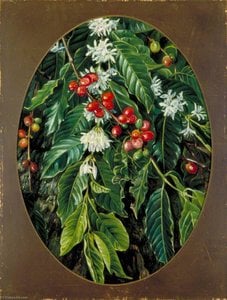
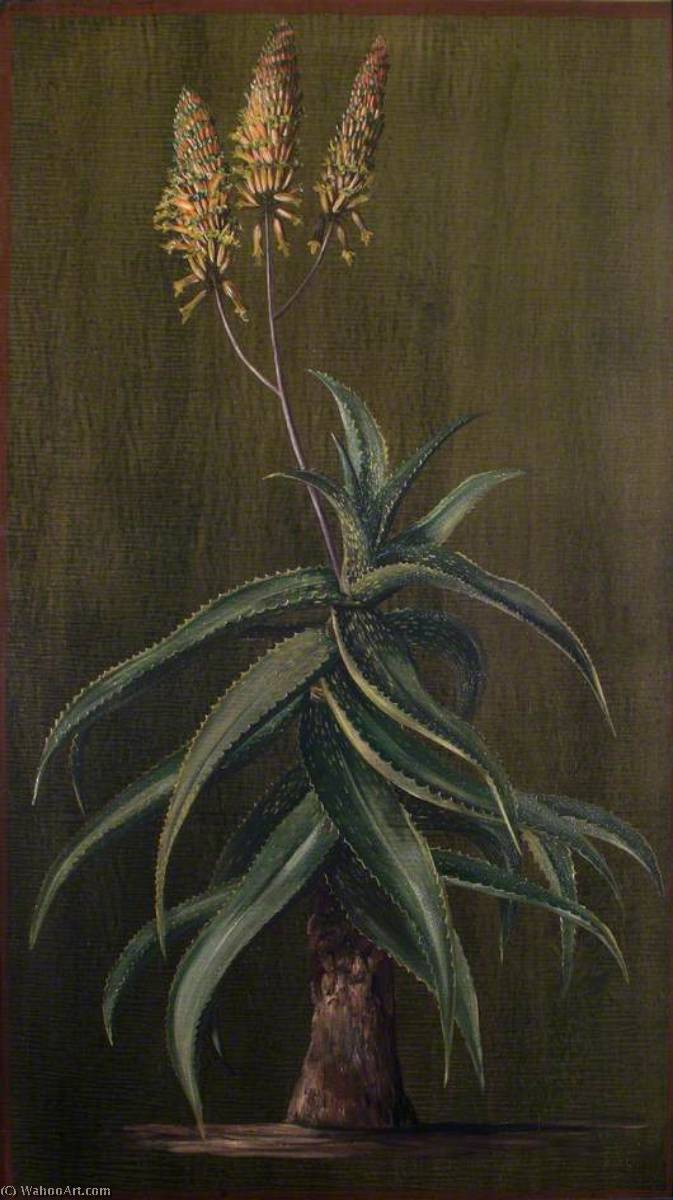
Norths kunstneriske stil er umiddelbart gjenkjennelig for sin detaljerte realisme og strålende palett. Hun arbeidet hovedsakelig med olje, noe som var et uvanlig valg for botanisk illustrasjon på den tiden – men det ga henne muligheten til å oppnå en dybde av farge og tekstur som ga hennes motiver liv. Hennes malerier er ikke sterile vitenskapelige representasjoner; de er fylt med en følelse av atmosfære og sted, og fanger ikke bare plantenes
form, men også deres miljø og følelsen av å være fordypet i dem. Hun var ikke bare en besøkende; hun ble en del av landskapene hun portretterte, absorberte deres essens og formidlet den gjennom sin kunst. Hennes mest vedvarende arv er galleriet dedikert til hennes arbeid på Kew Gardens i London. Anerkjennende betydningen av sin samling – over 800 malerier som dokumenterer planter fra hele verden – donerte North dem generøst til Royal Botanic Gardens i 1882, sammen med midler til å bygge et dedikert utstillingsrom. Marianne North Gallery, åpnet samme år, er det eneste permanente solo-utstillingen av en kvinne på Kew og fortsetter å inspirere besøkende i dag. Den står som et kraftig symbol på hennes kunstneriske prestasjoner og hennes forpliktelse til å dele sine oppdagelser med verden – et levende vitnesbyrd om et liv ledet av lidenskap og kunnskap. Malerier som “Tegoro, Sarawak” illustrerer dette, og transporterer seerne til frodige regnskoger fylt med liv, mens arbeider som “On the Way from Tibet near Nagkunda, North India” fanger det dramatiske majesteten i Himalaya-landskapene.
Utfordrende Konvensjoner og Vedvarende Innflytelse
Marianne North var mer enn bare en kunstner; hun var en pioner som utfordret sosiale normer og utvidet grensene for hva som ble ansett som akseptabelt for kvinner i viktoriansk tid. Hennes uavhengige reiser, profesjonelle karriere og dedikasjon til vitenskapelig observasjon var alle bemerkelsesverdige prestasjoner for sin tid. Hun nektet å gifte seg og valgte heller å forme sitt eget liv, drevet av intellektuell nysgjerrighet og kunstnerisk lidenskap. Hennes malerier tjener som uvurderlige historiske registre, dokumenterer planteliv på et kritisk øyeblikk i historien – en periode med rask miljøendring og kolonial ekspansjon. De gir innsikt i den botaniske mangfoldigheten til 1800-tallet og gir et visuelt bevis på arter som kanskje ikke lenger eksisterer. Hennes historie resonerer fortsatt i dag, inspirerer kunstnere, forskere og eventyrere til å forfølge sine lidenskaper med mot og besluttsomhet – et ekte vitnesbyrd om kraften i en uavhengig ånd og en livslang kjærlighet til den naturlige verden.
Notable Works
- Foliage, Flowers and Fruit of the Cashew, Tanjore, India: A vibrant depiction showcasing the intricate details of this tropical plant.
- Elephants, Exotic Fish, and Leaf Insect: Demonstrates North’s ability to capture not only flora but also fauna within their natural habitat.
- Tegoro, Sarawak: A lush rainforest scene that exemplifies her detailed realism and atmospheric beauty.
- On the Way from Tibet near Nagkunda, North India: Captures the dramatic Himalayan landscapes with romantic realism.
- Lake of Ajmere, North West India: A watercolor landscape showcasing Indian mountains and a serene sunset.


 Forhåndsvisning
 Bytt til trykk
 Send
Send Del med andre
 Vis detaljer

 Last ned bildet
 Liknende objekter
 Røntgenundersøkelse
 Lysbildefremvisning
 Statistikk


 Vis hele teksten






































 Glassalternativet er kun tilgjengelig i størrelser under 110 cm