Forhåndsvisning Se i AR Bytt til trykk Bytt til digitalt bilde Send
Vis detaljer Veiledning Legg til i favoritter Last ned bildet Liknende objekter Røntgenundersøkelse Lysbildefremvisning Statistikk

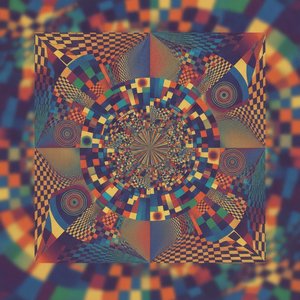
Rotorelief n°11 - Total Eclipse / Rotorelief n°12 - White spiral

Marcel Duchamp was a revolutionary artist who questioned the conventions of art, prioritizing intellectual exploration over traditional representation. Initially trained in Cubism and Impressionism, he embraced Dada's anti-establishment ethos, fundamentally reshaping artistic discourse.

Marcel Duchamp var en fransk kunstner som revolusjonerte kunstens verden ved å stille spørsmål om hva kunst er og hvordan vi oppfatter den. Utforsk hans ikoniske verk og filosofiske innvirkning!

Håndlaget oljereproduksjon

Håndmalt olje på lerret i din valgte størrelse og ramme, laget på bestilling av våre kunstnere. ( Bytt til trykk Bytt til digitalt bilde)

P118B $10
P118H $10
P118W $10
P438Z $10
P508JH $12
P508YH $12
P805H $10
P805Z $10
P919BZ $10
P919G $10
P919XJ $10
P959ZH $10
P968JZ $12
W106C $8
W218G $10
W218JH $8
W218Y $10
W307PJ $10
W316G $10
W316PJ $8
W316Y $10
W398PJ $8
W4111J $10
W500HY $15
W500JH $15
W692G $12
W849H $8
W940BG $15
W953PJ $8

Standardformat
skreddersydd
CM
INCH

Velg mellom våre forhåndsdefinerte størrelser som bevarer kunstverkets opprinnelige proporsjoner.

bredde
høyde

Du kan angi egne mål for å tilpasse en spesifikk ramme eller plass. Dersom den valgte størrelsen ikke samsvarer med originalbildets proporsjoner, vil vi enten beskjære kunstverket eller utvide maleriet med ytterligere håndmalte elementer. En digital mockup vil bli sendt til din godkjenning før produksjonen starter.
Vennligst merk at forhåndsvisningen på skjermen ikke gjenspeiler den faktiske beskjæringen eller utvidelsen. Kun mockuppen vil vise den endelige komposisjonen nøyaktig.
Selv om tilpassede størrelser er tilgjengelige, anbefaler vi å velge et mål fra den forhåndsdefinerte listen for å bevare de originale proporsjonene.

Eksempler på hva som kan endres: Erstatt ansikt med bilde av kunden; Legg til kjæledyr (f.eks. bytt ut katt med hund); Inkluder en skjult melding i bakgrunnen; Endre bakgrunnslandskap eller elementer.
Etter bestilling vil WahooArt.com-teamet sende e-post til kunden for instruksjoner og sende et utkast (mockup) som forhåndsvisning.

Verdensomspennende levering () på 3–4 uker i stedet for standard 5 uker. (23 September). Ingen kompromisser med kvaliteten.

why_choose_icon
Gratis ekspressfrakt over hele verden
why_choose_icon
Lerretsduk av høykvalitets lin
why_choose_icon
Full forsikring under transport
why_choose_icon
Garanti for refusjon av toll og importavgifter
why_choose_icon
Garantert korrekt fargegjengivelse
why_choose_icon
100 dagers returrett (kun ved mangler)
why_choose_icon
100% pengene tilbake-garanti
why_choose_icon
Rabatt ved flere kjøp

Totalpris for bestilling

$ 272

reproduction

Rotorelief n°11 - Total Eclipse / Rotorelief n°12 - White spiral

Teknikk for reproduksjon

Størrelse på reproduksjon

-

Endelig pris

$ 272

Kort om verket

  • Subject or theme: Visual perception
  • Location: Private Collection
  • Artist: Marcel Duchamp
  • Movement: Op Art
  • Notable elements or techniques: Circular spirals, optical illusion
  • Artistic style: Geometric abstraction
  • Year: 1935

Kunstighetsquiz

Det er kun ett riktig svar på hvert spørsmål.

Spørsmål 1:
What artistic movement is Marcel Duchamp’s ‘Rotorelief n°11 - Total Eclipse / Rotorelief n°12 - White spiral’ primarily associated with?
Spørsmål 2:
The lithographic printing technique utilized for this artwork contributes to which visual characteristic?
Spørsmål 3:
What is the dominant geometric element featured in ‘Rotorelief n°11 - Total Eclipse / Rotorelief n°12 - White spiral’?
Spørsmål 4:
What symbolic interpretation could be attributed to the swirling spirals within the artwork?
Spørsmål 5:
In what year was Marcel Duchamp’s ‘Rotorelief n°11 - Total Eclipse / Rotorelief n°12 - White spiral’ created?

A Dance of Illusion and Geometry

To gaze upon Marcel Duchamp’s Rotorelief n°11 - Total Eclipse / Rotorelief n°12 - White spiral is to enter a state of controlled disorientation. Created in 1935, this lithographic masterpiece does not merely sit upon a surface; it breathes with a phantom momentum. Through the meticulous application of concentric spirals and varying line weights, Duchamp orchestrates a visual symphony that tricks the eye into perceiving a rhythmic rotation where none exists. The monochromatic palette, stripped of the distractions of color, relies entirely on the stark tension between black and white to generate an astonishing sense of depth. This is not art meant for passive observation; it is an active participant in the viewer's sensory experience, pulling the gaze into a swirling vortex of light and shadow that defies the stillness of the paper.

The Spirit of Dadaist Rebellion

Beyond its mesmerizing surface lies the radical heart of the Dada movement. Born from the profound disillusionment following the horrors of World War I, Dadaism sought to dismantle the very foundations of traditional aesthetics and reject the notion of beauty as a primary artistic goal. Duchamp, a primary architect of this upheaval, used his Rotoreliefs to challenge the concept of "retinal art"—art that exists solely for the pleasure of the eye. By utilizing lithography to create an optical illusion, he forces us to confront the instability of our own perceptions and the fragility of reality itself. These spirals serve as symbols of a world in flux, reflecting a period where established hierarchies were being dismantled. The artwork acts as a profound bridge between the chaotic energy of Dada and the structured precision of what would later become Op Art, making it a pivotal moment in the evolution of modern abstraction.

A Timeless Focal Point for Modern Spaces

For the discerning collector or interior designer, this work offers an unparalleled opportunity to introduce intellectual depth and dynamic energy into a curated environment. The geometric rigor of the design allows it to integrate seamlessly into minimalist, industrial, or contemporary settings, where its monochromatic elegance can act as a sophisticated anchor. Because the piece relies so heavily on the interplay of light and shadow, its impact shifts subtly depending on the surrounding atmosphere, offering a different nuance of movement throughout the day. Incorporating a high-quality reproduction of this work is more than an aesthetic choice; it is an invitation to host a continuous dialogue between the viewer and the infinite, bringing a sense of profound, swirling mystery into the heart of any modern interior.

Om kunstneren

A Revolutionary Spirit: The Life and Art of Marcel Duchamp

Marcel Duchamp, born Henri-Robert-Marcel Duchamp in 1887 in Blainville-Crevon, Normandy, was more than an artist; he was a philosophical provocateur who fundamentally altered the course of modern art. His early life, though seemingly conventional – nurtured within a family that appreciated artistic expression with both brothers pursuing successful careers as artists – hinted at the iconoclasm to come. Duchamp initially pursued formal training, mastering traditional techniques and experimenting with post-impressionist styles. However, this academic foundation served not as an end in itself, but as a springboard for questioning the very nature of art, its purpose, and its definition. He wasn’t content merely to depict the world; he sought to challenge how we perceive it, and what constitutes artistic value. This restless intellectual curiosity would become the defining characteristic of his prolific career.

Early Artistic Explorations: Cubism and Impressionism

Duchamp's initial foray into art began with a grounding in traditional techniques—primarily painting—influenced by Impressionist masters like Claude Monet and Pierre-Auguste Renoir. He honed his skills diligently, capturing fleeting moments of light and color with remarkable precision. Yet, even within these aesthetically pleasing compositions, Duchamp harbored doubts about the role of representation itself. Recognizing that art could transcend mere visual imitation, he turned his attention to Cubism, spearheaded by Pablo Picasso and Georges Braque. This movement embraced fragmented forms and multiple perspectives—a radical departure from the single viewpoint demanded by Renaissance painting—and Duchamp skillfully incorporated these principles into works like *Portrait of Chess Players* (1911). The fractured planes and overlapping viewpoints mirrored his own intellectual preoccupation with dismantling established conventions.

The Dadaist Rebellion: Challenging Artistic Norms

The horrors of World War I profoundly impacted Duchamp’s worldview, fueling a deep disillusionment with the values of reason and logic that underpinned Western civilization. This discontent propelled him into the embrace of Dadaism—a movement born out of utter rejection of artistic dogma and societal complacency. Dadaists like Tristan Tzara and Hugo Ball sought to dismantle traditional notions of art through absurdity, chance, and anti-rational gestures. Duchamp wholeheartedly embraced this rebellious spirit, producing provocative pieces that defied categorization and challenged viewers’ expectations. His Dadaist output included collages incorporating found objects—such as newspaper clippings and photographs—and performances designed to disrupt artistic rituals. The infamous *Fontaine* (1917)—a porcelain urinal signed “R. Mutt”—became the emblem of Dada’s radical critique of art, sparking controversy and cementing Duchamp's reputation as a revolutionary iconoclast.

The Birth of Conceptual Art: Beyond Representation

Duchamp’s most enduring contribution to art history was arguably his pioneering role in establishing Conceptual Art—a movement that prioritized idea over execution. Rejecting the visual arts altogether, Conceptual Artists questioned whether an artwork could exist without tangible form. Duchamp famously declared, “The idea precedes the object,” encapsulating this fundamental shift in artistic thinking. He continued to explore this concept through various mediums, including assemblage and photography. *L.H.O.O.Q.* (1919)—a postcard reproduction of Leonardo da Vinci’s Mona Lisa overlaid with a mustache and goatee—served as a deliberate parody of art history and a commentary on the veneration of artistic genius. Duchamp's intention wasn’t to create a beautiful image; it was to provoke reflection on notions of authorship, originality, and the very definition of art itself.

Legacy and Enduring Influence

Marcel Duchamp’s influence extends far beyond his own lifetime, shaping the trajectory of countless artists who followed him. His unwavering commitment to conceptual thought—the primacy of idea over form—established a paradigm that continues to resonate within contemporary artistic practice. Artists across disciplines—from sculpture to performance art to video installation—have drawn inspiration from Duchamp’s challenge to conventional aesthetic standards and his insistence on questioning accepted truths. He remains a central figure in discussions about the role of art in society, prompting us to consider whether beauty is truly paramount or if intellectual engagement—the pursuit of ideas—is equally valuable. His legacy endures as a testament to the transformative power of artistic innovation and the enduring relevance of Duchamp’s revolutionary vision.

Marcel Duchamp

Marcel Duchamp

1887 - 1968 , Frankrike

Kort om kunstneren

  • Artistic Movement Or Style:
    • Kubisme
    • Dadaisme
    • Konseptuell kunst
  • Artists Or Movements Influenced By This Artist:
    • Kubisme
    • Popkunst
    • Minimalisme
  • Date Of Birth: 28 juli 1887
  • Date Of Death: 2 oktober 1968
  • Full Name: Marcel Duchamp Henri-Robert-Marcel
  • Nationality: Fransk-Amerikansk
  • Notable Artworks:
    • Fontane
    • L.H.O.O.Q.
    • Det Store Glas
    • Boîte-en-valise
  • Place Of Birth: Blainville, Frankrike
Utforsk kunstverk organisert etter temaer, stiler og kjennetegn.