Oil On PanelNorthern Renaissance
 1503Renaissance
 138.0 x 99.0 cm
 Alte Pinakothek
Håndmalt olje på lerret i din valgte størrelse og ramme, laget på bestilling av våre kunstnere. ( Kjøp trykk Kjøp bilde)
Velg mellom våre forhåndsdefinerte størrelser som bevarer kunstverkets opprinnelige proporsjoner.

Du kan angi egne mål for å tilpasse en spesifikk ramme eller plass. Dersom den valgte størrelsen ikke samsvarer med originalbildets proporsjoner, vil vi enten beskjære kunstverket eller utvide maleriet med ytterligere håndmalte elementer. En digital mockup vil bli sendt til din godkjenning før produksjonen starter.
Vennligst merk at forhåndsvisningen på skjermen ikke gjenspeiler den faktiske beskjæringen eller utvidelsen. Kun mockuppen vil vise den endelige komposisjonen nøyaktig.
Selv om tilpassede størrelser er tilgjengelige, anbefaler vi å velge et mål fra den forhåndsdefinerte listen for å bevare de originale proporsjonene.
Verdensomspennende levering () på 3–4 uker i stedet for standard 5 uker. (6 September). Ingen kompromisser med kvaliteten.


Crucifixion
Størrelse på reproduksjon
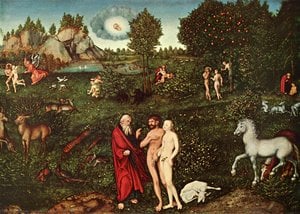
This striking painting, "Crucifixion," created by Lucas Cranach the Elder in 1503, depicts a pivotal moment in Christian theology – the crucifixion of Jesus Christ. The composition is vertically oriented, immediately drawing the viewer's eye to the central figure suspended on the cross. Cranach masterfully balances the scene with carefully positioned figures: Mary Magdalene and another individual (often interpreted as John the Apostle) are shown below, their expressions conveying profound grief and sorrow. A group of onlookers in the background adds depth and a sense of scale to the event. The arrangement isn't merely representational; it’s designed to evoke empathy and contemplation.
“Crucifixion” exemplifies the hallmarks of the Northern Renaissance style, particularly that of Cranach himself. The painting showcases a meticulous attention to detail and a commitment to realism. Observe the rendering of Christ’s musculature, achieved through skillful use of lines and shading. The folds in the drapery are rendered with remarkable accuracy, demonstrating Cranach's technical prowess. He employed oil paints on panel, utilizing glazing techniques – layering thin, translucent layers of paint – to build up color depth and luminosity. This technique contributes significantly to the painting’s overall richness and vibrancy.
Beyond its literal depiction, "Crucifixion" is rich in symbolic meaning. The figures holding hands below the cross symbolize comfort and solidarity amidst suffering. A bird perched near the top left corner has been interpreted as representing the soul or the Holy Spirit, adding a layer of spiritual significance to the scene. The overall atmosphere isn't one of despair but rather of serene devotion, reflecting the Renaissance emphasis on human emotion within a religious context. The painting’s emotional impact lies in its ability to convey both the tragedy of Christ’s death and the hope offered through his sacrifice.
Lucas Cranach the Elder was a prominent figure during the Reformation era, serving as court painter to the Electors of Saxony. His work often reflected the religious and political currents of the time. This "Crucifixion" is particularly significant given its creation shortly after Cranach’s Vienna period and his association with Martin Luther. The painting's emphasis on faith and individual responsibility aligns with emerging Protestant theology, distinguishing it from more traditional Catholic depictions of the Crucifixion. Cranach’s legacy as a skilled portraitist and religious painter continues to inspire art lovers and collectors today.


1472 - 1553 , Tyskland
Explore the profound power of religious symbolism in art history. From Renaissance masterpieces to sacred iconography, uncover the hidden meanings behind divine details in a deep dive into classical art excellence.

 Forhåndsvisning
 Send
Send Del med andre
 Vis detaljer

 Last ned bildet
 Liknende objekter
 Røntgenundersøkelse
 Lysbildefremvisning
 Vis hele teksten




































 Glassalternativet er kun tilgjengelig i størrelser under 110 cm