Selg din kunst
x
ForhåndsvisningForhåndsvisning Se i ARSe i AR Bytt til trykk Bytt til trykkBytt til håndmalt maleri Bytt til håndmalt maleri SendSend
Vis detaljerVis detaljer Legg til i favoritter Legg til i favoritter Last ned bildetLast ned bildet Liknende objekterLiknende objekter RøntgenundersøkelseRøntgenundersøkelse LysbildefremvisningLysbildefremvisning

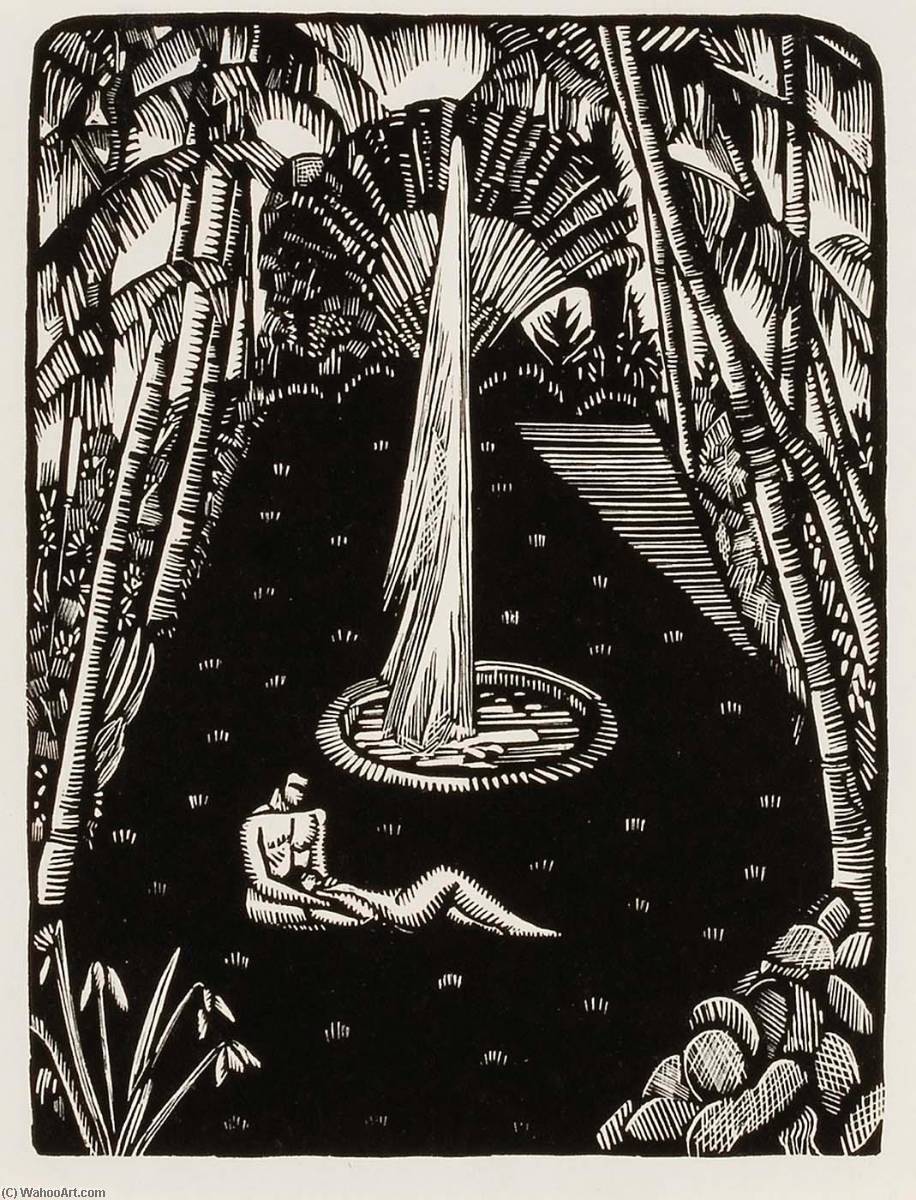
Untitled

Discover John Francis Murphy, a pioneering Tonalist landscape painter known for evocative 'Indian Summer' scenes & light-infused works. Explore his legacy!

Kjøp et høyoppløselig, forbedret digitalt bilde som er langt bedre enn forhåndsvisningen på nettet.

Hver fil er omhyggelig klargjort av våre egne spesialister ved hjelp av avanserte verktøy og profesjonell manuell retusjering. Vi sørger for at hvert bilde har eksepsjonell klarhet, presis fargegjengivelse og fine detaljer.

Den endelige filen leveres via e-post innen 72 timer, optimalisert for umiddelbar bruk i profesjonelle, redaksjonelle og trykte miljøer. Dette er den samme kvaliteten som benyttes av ledende designstudioer, utgivere og gallerier.

Digitalt bilde

Last ned en høyoppløselig fil for personlig bruk, utskrift og kreative prosjekter. (Bytt til trykk Bytt til trykkBytt til håndmalt maleri Bytt til håndmalt maleri)

Totalbeløp

$9.99

Inkludert i alle bestillinger av digitale bilder

Ekspert digital levering, garantert

Når du velger WahooArt.com, får du ikke bare et bilde – du mottar et profesjonelt forbedret digitalt kunstverk, skapt med presisjon og med en garantert tilfredshetsgaranti. Her er alt som automatisk følger med din bestilling:

shipping_icon
Rask digital levering

Din høyoppløselige digitale bildefil sendes til din e-post innen 72 timer etter bestilling – klar til umiddelbar bruk.

canvas_icon
KI-forbedret digital fil

Ditt kunstverk blir profesjonelt optimalisert ved hjelp av avanserte AI-verktøy og manuell redigering, noe som sikrer maksimal detaljrikdom, klarhet og fargegjengivelse.

insurance_icon
Gratis livslang nyutlevering

Har du ved et uhell slettet eller mistet filen din? Ingen bekymring – vi sender den på nytt når som helst, helt gratis.

tax_icon
Ingen importavgifter – noen gang

Nyt ditt kunstverk umiddelbart uten toll, avgifter eller leveringskostnader – digitale nedlastinger er alltid avgiftsfrie.

color_icon
Garantert fargenøyaktighet

Vi sikrer at ditt digitale bilde gjenspeiler de originale fargene så nøyaktig som mulig ved hjelp av profesjonelle verktøy og fargehåndtering.

return_icon
60 dagers tilfredshetsgaranti

Hvis du ikke er fornøyd med ditt digitale bilde, vil vi revidere det eller refundere 100% innen 60 dager – uten spørsmål.

guarantee_icon
100% Penggaranti

Ikke fornøyd? Få full refusjon innen 60 dager etter at du har mottatt din digitale fil – uten spørsmål.

discount_icon
Rabatt ved storkjøp

Kjøp 3 bilder, spar 10% - Kjøp 5, spar 15% - Kjøp 10+, spar 20%. Ideelt for kreative prosjekter, gallerier og byråer.


Om kunstneren

The Evocative Landscapes of John J. A. Murphy: Capturing the American Light

John J. A. Murphy, a name perhaps less celebrated than some of his contemporaries, nevertheless occupies a significant place in the narrative of late 19th and early 20th-century American landscape painting. Emerging from the Tonalist movement, Murphy dedicated his artistic life to capturing the subtle beauty and fleeting atmospheric effects of the rural American countryside, particularly those imbued with the golden light of autumn – scenes he often referred to as ‘Indian Summer’ paintings. While biographical details remain somewhat sparse, the power and resonance of his work speak volumes about a keen observer deeply connected to the natural world and skilled in translating its poetry onto canvas.

Early Life and Artistic Development

Information regarding Murphy's early life is limited; he appears as a figure who prioritized the act of painting over self-promotion or extensive documentation. What *is* known suggests a dedication to art from an early age, likely fostered by a growing national interest in landscape as a uniquely American subject matter following the Civil War. The post-war era saw a desire to define a distinctly American artistic identity, moving away from strict European academic traditions and embracing the beauty of the nation’s own vistas. Murphy absorbed these influences, developing a style that blended meticulous realism with an atmospheric sensibility. He wasn't formally trained in Europe like many of his peers; instead, he honed his skills through observation and practice, becoming adept at rendering light and shadow to create mood and evoke emotion. His early works demonstrate a clear understanding of perspective and composition, but it is the growing emphasis on tonal values – the delicate gradations of color that define form and atmosphere – that foreshadows his mature style.

The Tonalist Aesthetic and ‘Indian Summer’ Scenes

Murphy became closely associated with the Tonalist movement, a loosely defined group of artists who favored subdued palettes, soft focus, and evocative moods. Artists like George Inness and Albert Pinkham Ryder were key figures in this aesthetic, emphasizing subjective experience over literal representation. Murphy embraced these principles wholeheartedly, but he carved out his own niche within the movement by focusing on the specific light and atmosphere of autumn in rural America. His ‘Indian Summer’ paintings are not merely depictions of landscapes; they are meditations on time, memory, and the ephemeral beauty of nature. He masterfully captured the hazy golden light filtering through trees, the stillness of water reflecting the sky, and the sense of quiet contemplation that pervades these scenes. These works often feature a limited color palette dominated by browns, golds, greens, and grays, creating a harmonious and melancholic effect. The symbolism inherent in autumn – decay, transition, and reflection – is subtly woven into his compositions, inviting viewers to contemplate the passage of time and the beauty found within impermanence.

Technique and Influences

Murphy’s technique was characterized by a meticulous attention to detail combined with a remarkable sensitivity to light and color. He employed a glazing technique – applying thin layers of transparent paint over underlying colors – to create depth, luminosity, and subtle tonal variations. This method allowed him to build up complex atmospheric effects and capture the nuances of light reflecting off water, foliage, and distant hillsides. While he didn’t explicitly adhere to Impressionist principles, there is a shared interest in capturing fleeting moments and the subjective experience of light. However, Murphy's work differs from Impressionism in its emphasis on mood and atmosphere rather than pure optical effects. He was also influenced by earlier landscape painters like the Hudson River School artists, particularly their attention to detail and sense of grandeur, but he moved away from their dramatic compositions towards a more intimate and contemplative approach. His palette, while subdued, reveals a sophisticated understanding of color theory and its ability to evoke emotion.

Legacy and Historical Significance

Although not widely recognized during his lifetime, John J. A. Murphy’s work has experienced a resurgence in recent years as scholars and collectors have rediscovered the beauty and significance of Tonalist painting. His ‘Indian Summer’ scenes offer a poignant glimpse into a vanishing rural America, capturing a sense of tranquility and connection to nature that resonates deeply with contemporary audiences.
  • His paintings provide valuable insights into the aesthetic sensibilities of late 19th and early 20th-century America.
  • Murphy’s dedication to capturing atmospheric effects influenced subsequent generations of landscape painters.
  • He stands as a testament to the power of observation, skill, and artistic vision in creating works that transcend mere representation.
His legacy lies not only in the beauty of his paintings but also in their ability to evoke a sense of nostalgia, contemplation, and appreciation for the subtle wonders of the natural world. He remains an important figure in understanding the development of American landscape painting and its enduring appeal.